
Leveling sensors
-
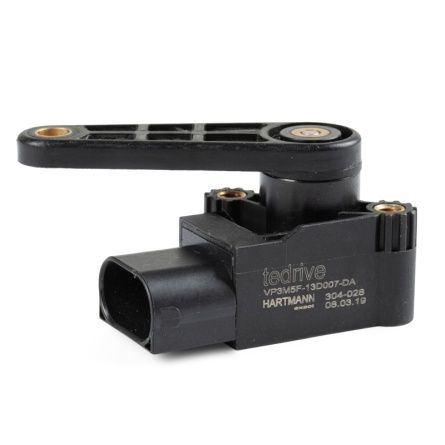
Leveling Sensor
FordG1FY-13D034-AA£139.22 £116.02 -
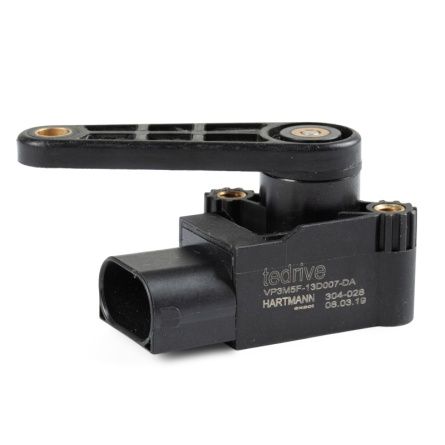
Leveling Sensor
Ford1939567£139.22 £116.02 -
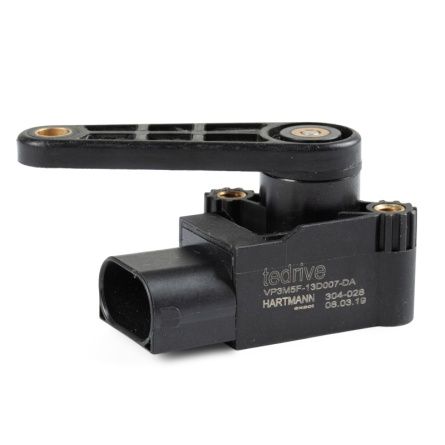
Leveling Sensor
FordG1FY-13D036-AA£139.22 £116.02 -
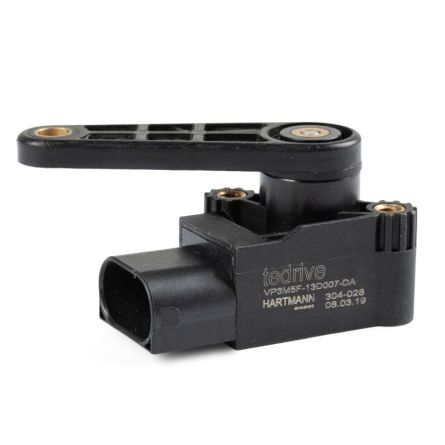
Leveling Sensor
Ford1939568£139.22 £116.02 -
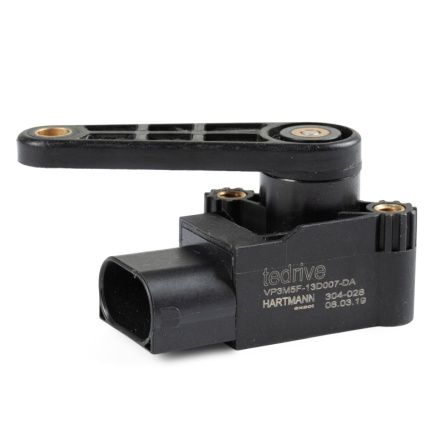
Leveling Sensor
FordCV61-13D034-AA£139.22 £116.02 -
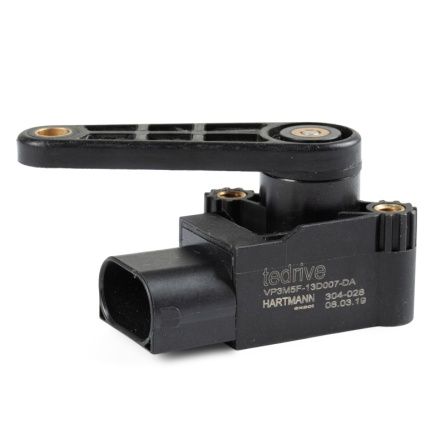
Leveling Sensor
Ford1786469£139.22 £116.02 -
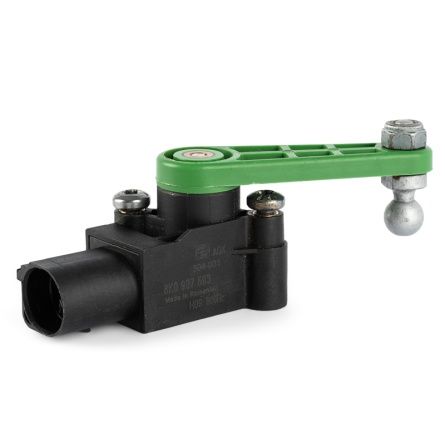
Leveling Sensor
Volkswagen7P0616214£49.13 £40.94 -
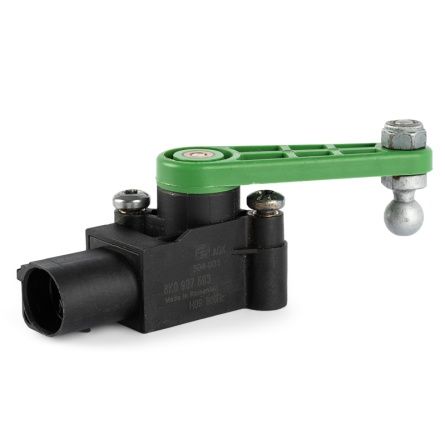
Leveling Sensor
Porsche95833107700£49.13 £40.94 -
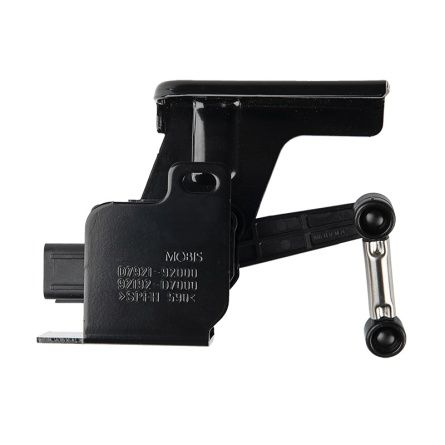
Turning Angle Sensor
KIA92192-D7000£73.70 £61.42 -
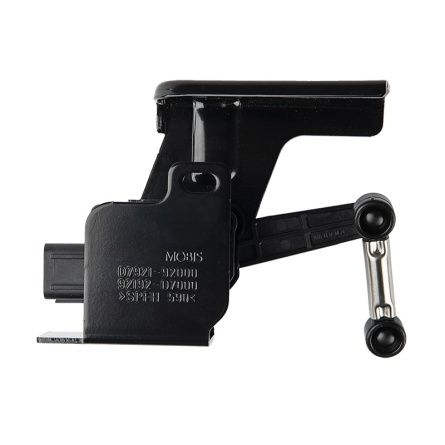
Turning Angle Sensor
KIAD7921-92000£73.70 £61.42 -
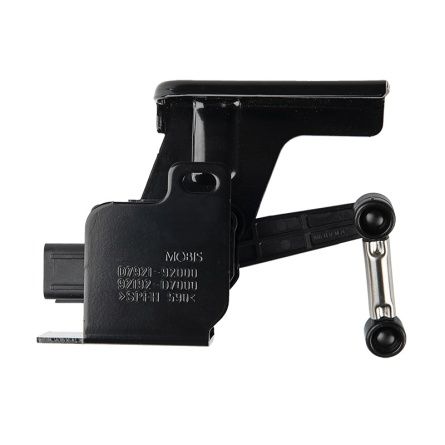
Turning Angle Sensor
KIA92190-D7000£73.70 £61.42 -
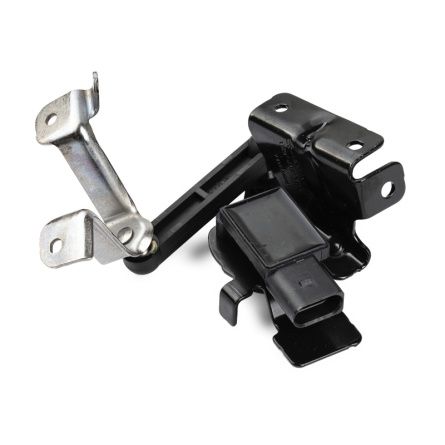
Leveling Sensor
Volkswagen5WA512521£81.89 £68.24 -
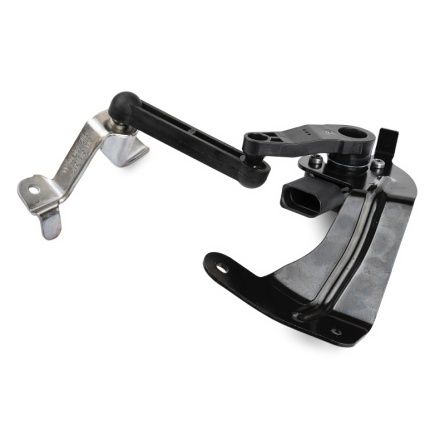
Leveling Sensor
Volkswagen5WA512521A£81.89 £68.24 -
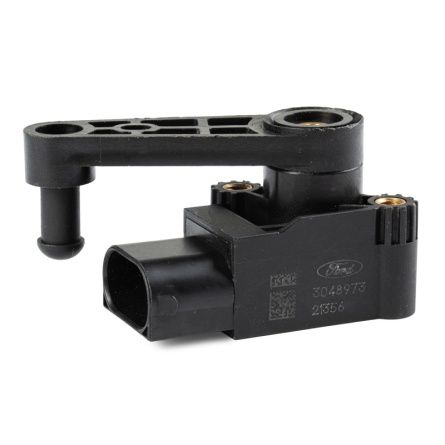
Leveling Sensor
FordH1BC-3C438-AC£122.84 £102.37 -
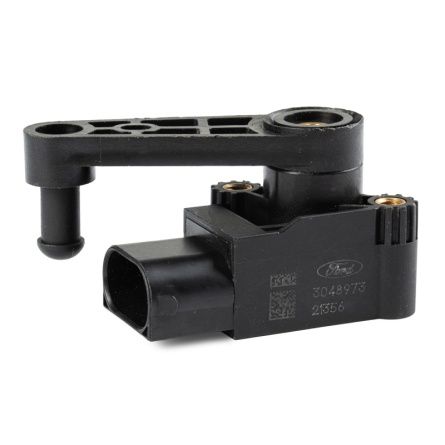
Leveling Sensor
Ford2376566£122.84 £102.37 -
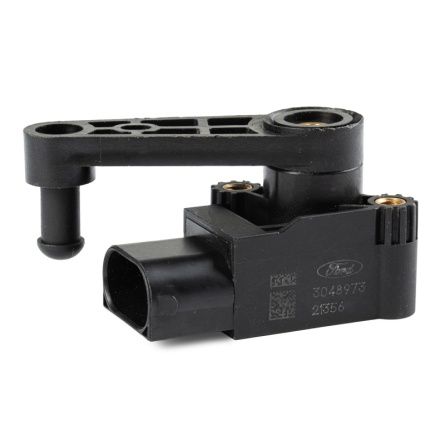
Leveling Sensor
Ford3048973£122.84 £102.37 -
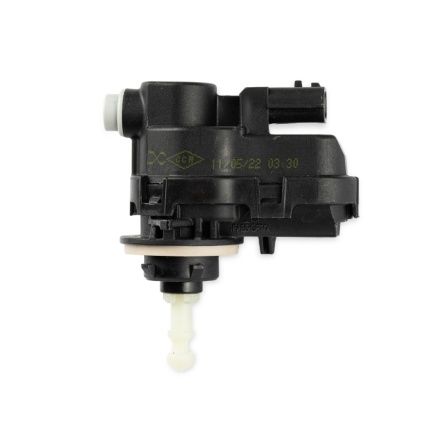
Range Control Adjustment Motor
MercedesA4159062400£20.47 £17.06 -
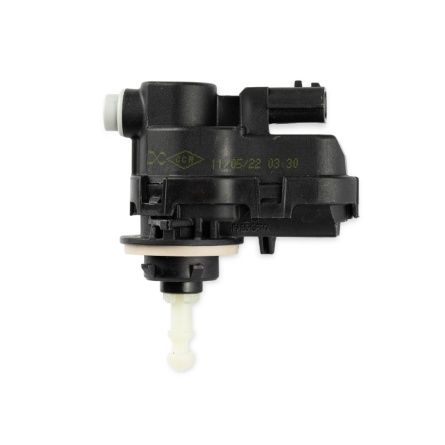
Range Control Adjustment Motor
Opel4431359£20.47 £17.06 -
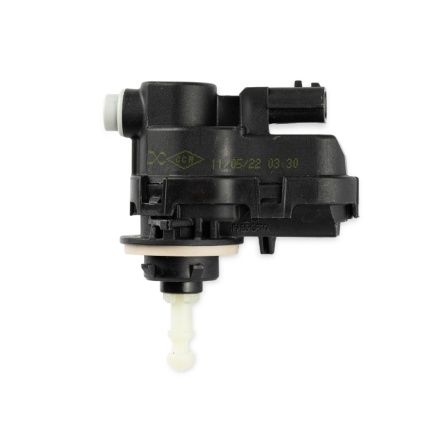
Range Control Adjustment Motor
Peugeot6224R8£20.47 £17.06 -
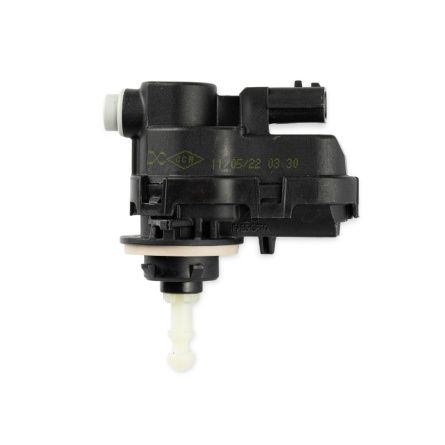
Range Control Adjustment Motor
Peugeot6224S7£20.47 £17.06 -
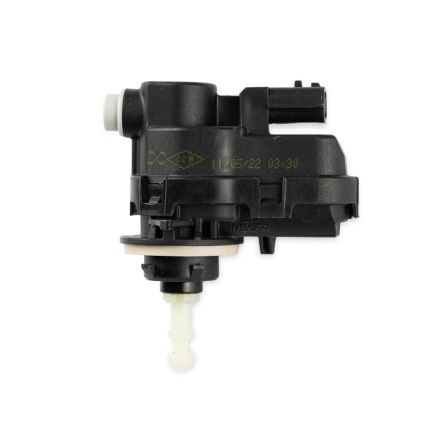
Range Control Adjustment Motor
Citroen1612482180£20.47 £17.06 -
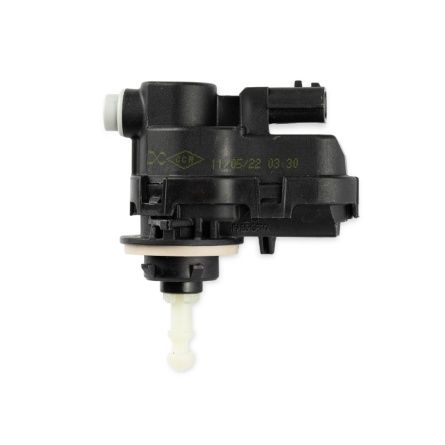
Range Control Adjustment Motor
Renault90013783£20.47 £17.06 -
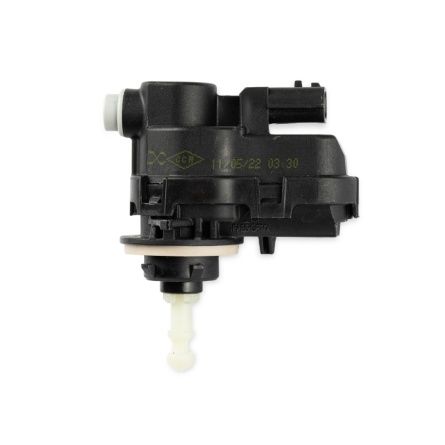
Range Control Adjustment Motor
Renault90005925£20.47 £17.06 -
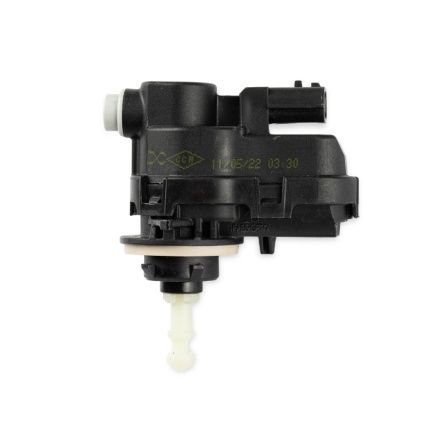
Range Control Adjustment Motor
Toyota85661-0D050£20.47 £17.06 -
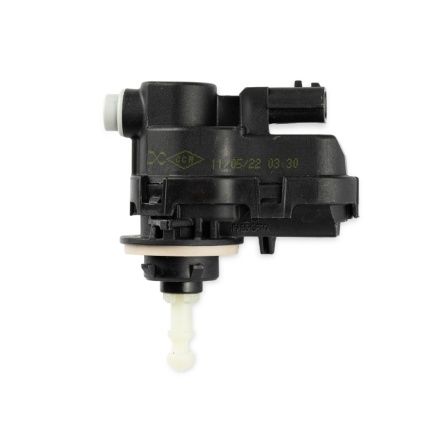
Range Control Adjustment Motor
Nissan26056-4EA0A£20.47 £17.06 -
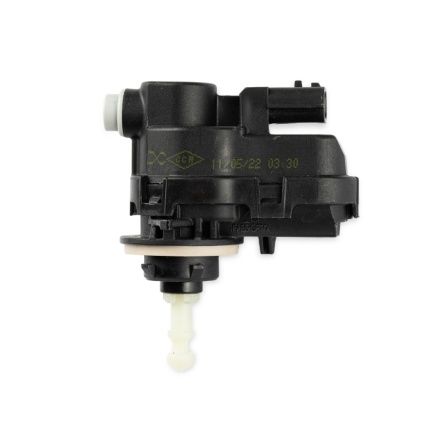
Range Control Adjustment Motor
Nissan26056-5FA0A£20.47 £17.06 -
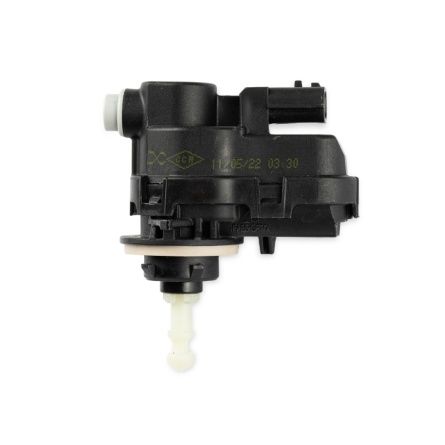
Range Control Adjustment Motor
Nissan26056-00Q0A£20.47 £17.06 -
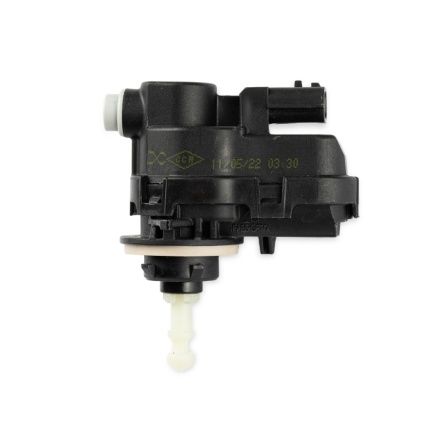
Range Control Adjustment Motor
Renault260567357R£20.47 £17.06 -
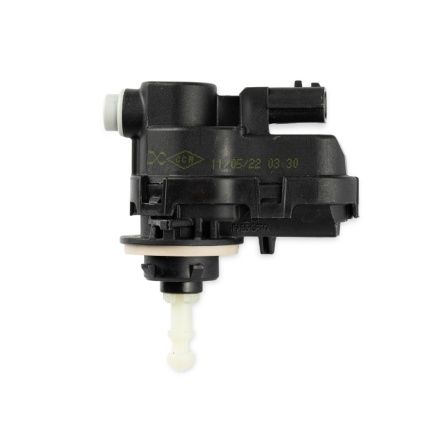
Range Control Adjustment Motor
Renault260C66164R£20.47 £17.06 -
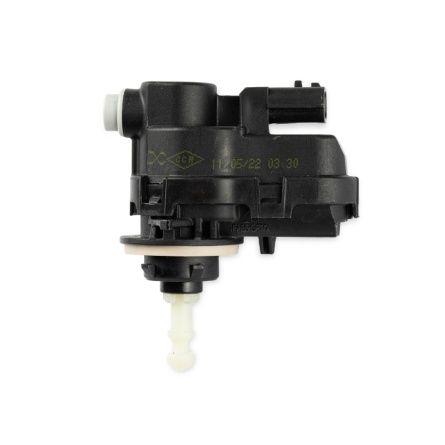
Range Control Adjustment Motor
Renault260568925R£20.47 £17.06 -
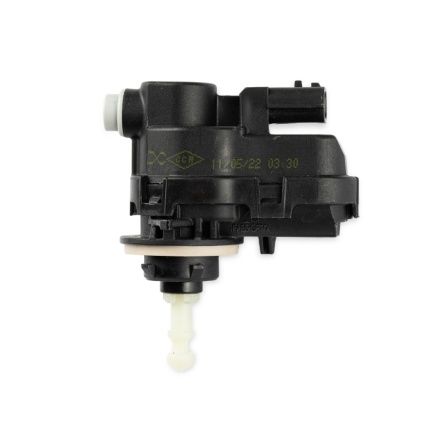
Range Control Adjustment Motor
Renault260566235R£20.47 £17.06 -
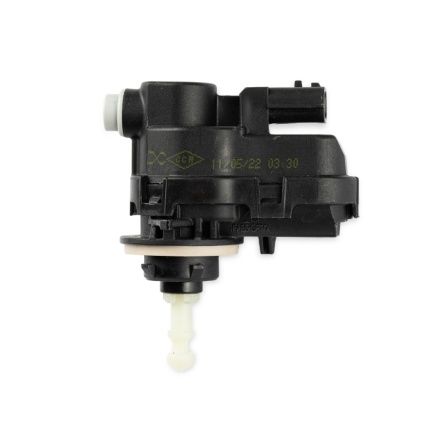
Range Control Adjustment Motor
Toyota92000866£20.47 £17.06
Leveling sensors
In the world of modern automotive technology, precision and balance are everything — and leveling sensors stand at the very heart of this equilibrium. These intelligent components play a crucial role in maintaining the correct ride height, headlight alignment, and overall vehicle stability, ensuring that every journey is as safe and efficient as possible. By constantly monitoring the vehicle’s position and adjusting key systems in real time, leveling sensors help optimize performance, enhance driving comfort, and prevent dangerous conditions caused by uneven loads or road surfaces. In essence, they serve as the hidden guardians of both safety and performance, keeping today’s vehicles perfectly balanced in motion.
Understanding Suspension Height Sensors
A suspension height sensor, sometimes referred to as a ride height or level sensor, is a precision electronic component designed to measure the distance between a vehicle’s chassis and its axles or wheels. Its primary function is to monitor and maintain the correct suspension height, which is vital for ensuring optimal handling, stability, and comfort.
This type of sensor works by continuously sending real-time data to the vehicle’s suspension control module. When the system detects a change in the vehicle’s height — for example, due to varying loads, road conditions, or acceleration and braking forces — it automatically adjusts the suspension components to restore balance. In vehicles equipped with air suspension or adaptive damping systems, the suspension height sensor allows the system to raise or lower the vehicle as needed, providing both improved ride quality and aerodynamic efficiency.
The importance of this component cannot be overstated. It ensures that the suspension operates within its intended range, preventing excessive wear, maintaining even headlight aim, and guaranteeing consistent handling performance. Without a properly functioning suspension height sensor, a vehicle’s suspension system may become unbalanced, leading to poor ride comfort, reduced safety, and uneven tire wear. In short, it is essential for keeping modern suspension systems intelligent, adaptive, and safe.
Role of Headlight Levelling Sensors
A headlight levelling sensor is a specialized component designed to automatically adjust the angle of a vehicle’s headlights in response to changes in load, speed, or road conditions. Its primary purpose is to ensure that the light beam is always correctly aligned — neither too high, which could dazzle oncoming drivers, nor too low, which could reduce the driver’s visibility of the road ahead.
This type of sensor works in conjunction with the vehicle’s suspension system. By monitoring the height and pitch of the car, it sends real-time data to the headlight control unit, which then adjusts the headlamp position accordingly. For example, when the rear of a vehicle lowers due to heavy cargo or passengers, the headlight levelling sensor detects this tilt and compensates by adjusting the headlights downward to maintain the proper beam alignment.
The contribution of the headlight levelling sensor to driving safety is significant. It guarantees optimal illumination of the road, improving the driver’s ability to detect obstacles, pedestrians, and road markings, especially at night or in poor weather conditions. At the same time, it prevents glare that could endanger other road users, ensuring mutual safety and comfort on the road. In essence, these sensors play a crucial role in maintaining both visibility and courtesy — two pillars of safe nighttime driving.
Benefits of Using Advanced Leveling Sensors
Modern leveling sensors bring a wide range of advantages that go far beyond simple measurement — they are key to enhancing vehicle dynamics, safety, and overall driving experience. One of their most important benefits is improved stability. By constantly monitoring the vehicle’s position and automatically adjusting suspension height or headlight alignment, these sensors help maintain perfect balance regardless of load distribution or road surface. This ensures that the vehicle remains steady and predictable, even during sudden maneuvers or when carrying heavy cargo.
Another major advantage is the enhancement of ride comfort. Modern leveling sensors work seamlessly with adaptive suspension systems to adjust damping and ride height in real time, delivering a smoother and more responsive driving experience. Passengers benefit from reduced body roll, better shock absorption, and consistent cabin comfort under all driving conditions.
Furthermore, these sensors contribute to optimal visibility and safety by keeping headlights properly aligned and preventing glare for oncoming traffic. They also improve vehicle aerodynamics and fuel efficiency by maintaining the correct ride height at high speeds.
In short, modern leveling sensors combine precision engineering and smart control to deliver a driving experience that is not only safer and more stable but also smoother and more enjoyable — proving that small components can have a profound impact on both performance and comfort.
Choosing the Right Leveling Sensors for Your Vehicle
When selecting the right leveling sensors for a vehicle, several key factors should be taken into account to ensure proper functionality, durability, and compatibility. The first and most important consideration is the type of vehicle. Passenger cars, SUVs, and commercial vehicles often use different designs of leveling or height sensors depending on their suspension systems. Vehicles equipped with air or adaptive suspensions require more advanced electronic sensors capable of precise, real-time adjustments, while standard models may rely on simpler mechanical or semi-electronic designs.
Performance requirements are another crucial factor. Drivers who prioritize comfort and smooth handling should look for high-quality sensors with fast response times and robust sealing against moisture, dust, and vibration. For vehicles used in demanding conditions — such as off-road driving or heavy-duty applications — it’s best to choose sensors with reinforced housings and extended temperature resistance to ensure long-term reliability.
Equally important is compatibility. Always verify that the chosen sensor matches the specific make, model, and production year of the vehicle, as connector types and calibration parameters can vary significantly. Checking OEM part numbers and consulting the manufacturer’s specifications or trusted aftermarket catalogues helps avoid installation issues and ensures accurate performance.
Lastly, consider brand reputation and warranty support. Reputable manufacturers often provide better quality control and technical documentation, which can make both installation and future servicing easier. Selecting a well-matched leveling sensor ensures not only the safety and comfort of your driving experience but also the long-term health of your suspension and lighting systems.