
MAF sensors
-
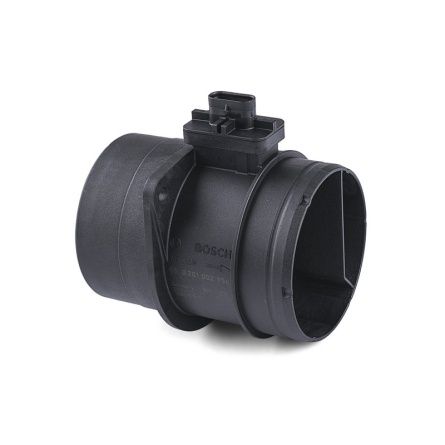
MAF sensor
Volkswagen281002957£57.32 £47.77 -
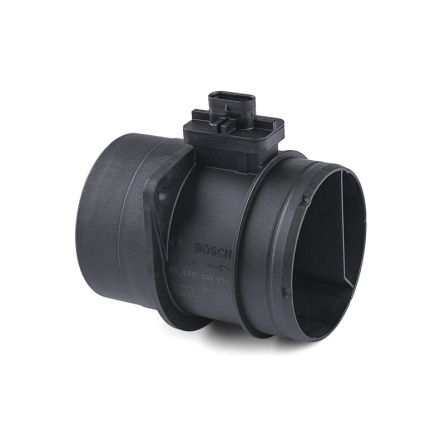
MAF sensor
Volkswagen281002956£57.32 £47.77 -

MAF sensor
General Motors8360290£65.51 £54.59 -
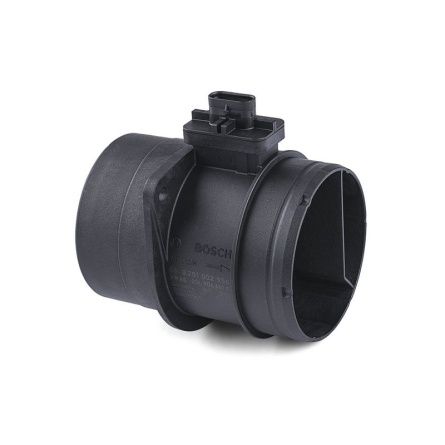
Mass Air Flow Sensor
Volkswagen0 281 002 957£57.32 £47.77 -
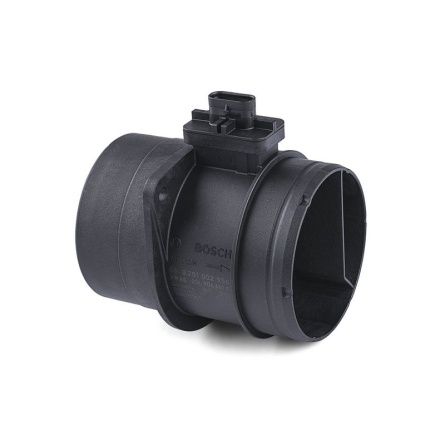
Mass Air Flow Sensor
Volkswagen0 281 002 956£57.32 £47.77 -
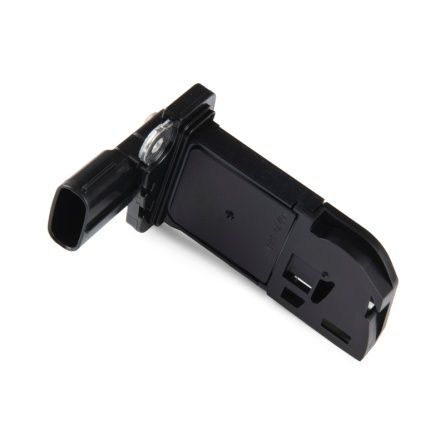
Mass Air Flow Sensor
Chevrolet22752508£57.32 £47.77 -
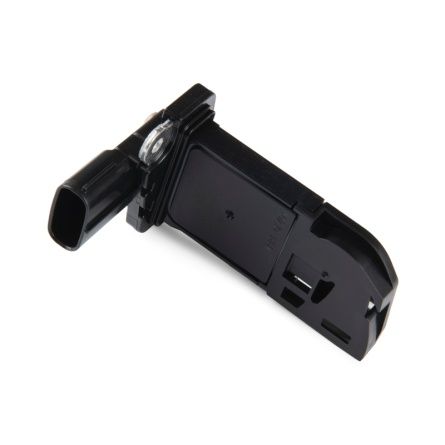
Mass Air Flow Sensor
HitachiAFH70M101£57.32 £47.77 -
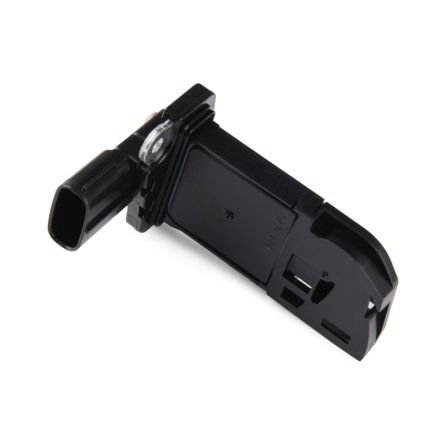
Mass Air Flow Sensor
Opel4819491£57.32 £47.77 -
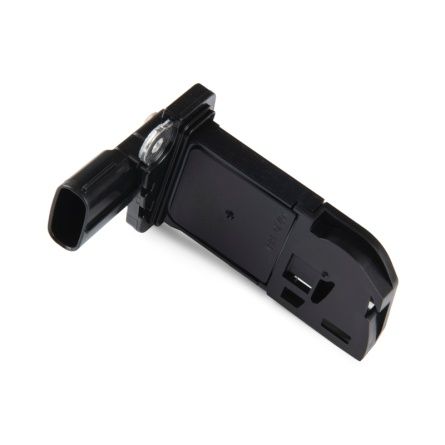
Mass Air Flow Sensor
Toyota22204-26010£57.32 £47.77 -
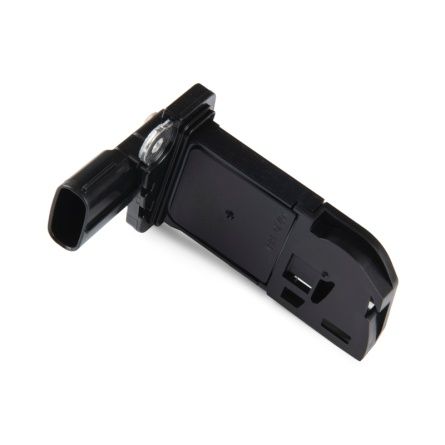
Mass Air Flow Sensor
HitachiAFH70M77£57.32 £47.77 -
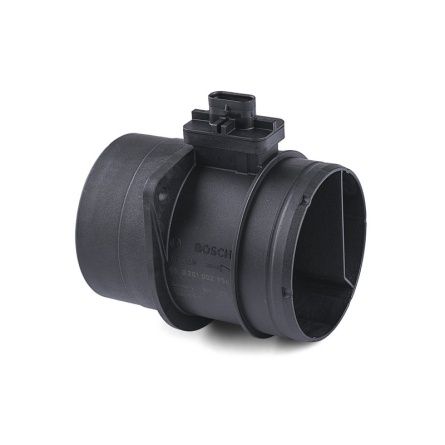
Mass Air Flow Sensor
Volkswagen03L906461A£57.32 £47.77 -
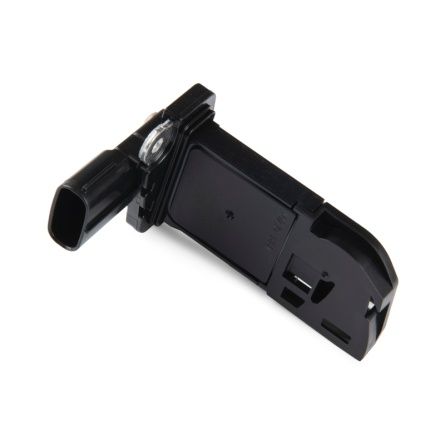
Mass Air Flow Sensor
General Motors98113202£57.32 £47.77 -
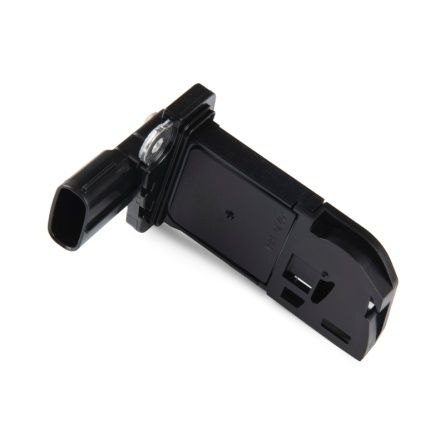
Mass Air Flow Sensor
General Motors8981132021£57.32 £47.77 -
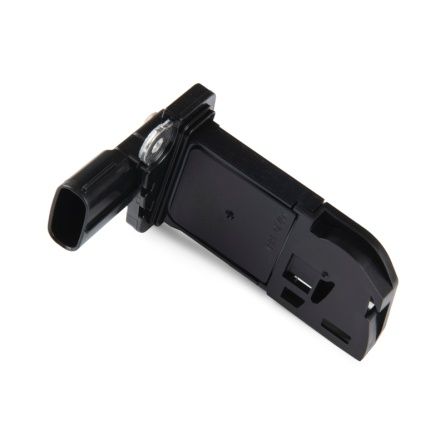
Mass Air Flow Sensor
HitachiAFH70M90£57.32 £47.77 -
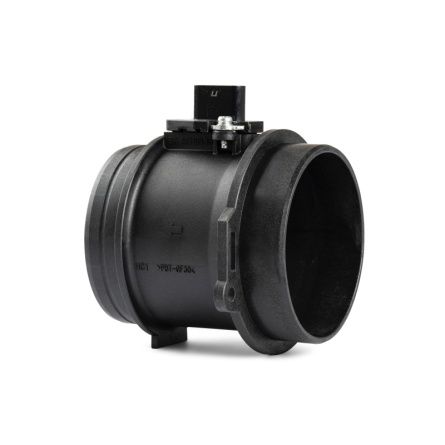
Mass Air Flow Sensor
Audi059906461S£98.27 £81.89 -
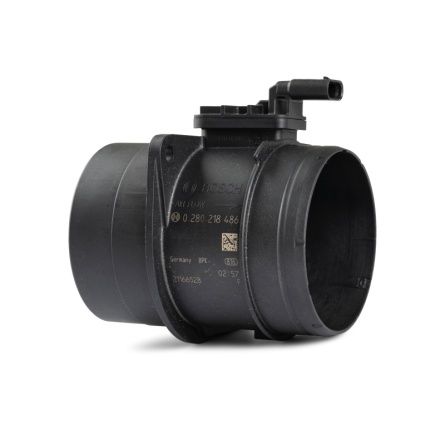
Mass Air Flow Sensor
Volkswagen04E906461A£98.27 £81.89 -
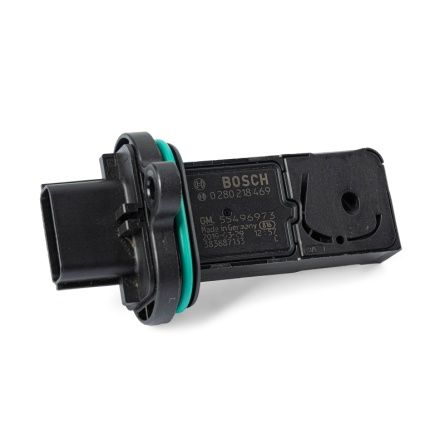
Mass Air Flow Sensor
General Motors13505433£65.51 £54.59 -
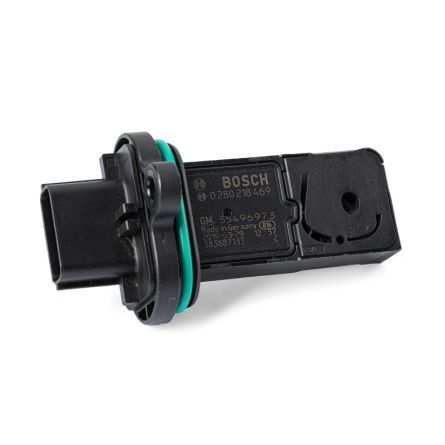
Mass Air Flow Sensor
General Motors12671624£65.51 £54.59 -
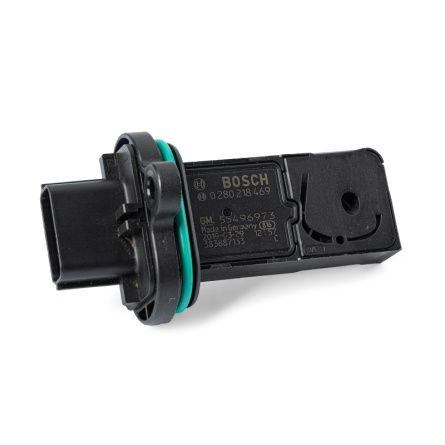
Mass Air Flow Sensor
General Motors13432262£65.51 £54.59 -
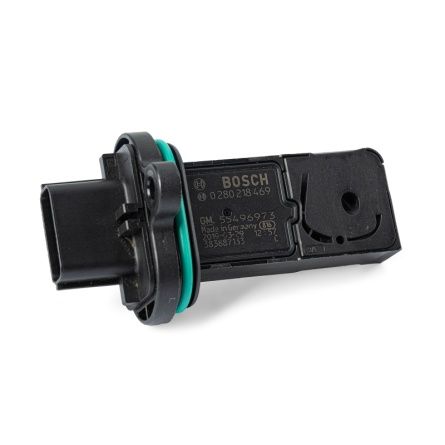
Mass Air Flow Sensor
General Motors55498433£65.51 £54.59 -
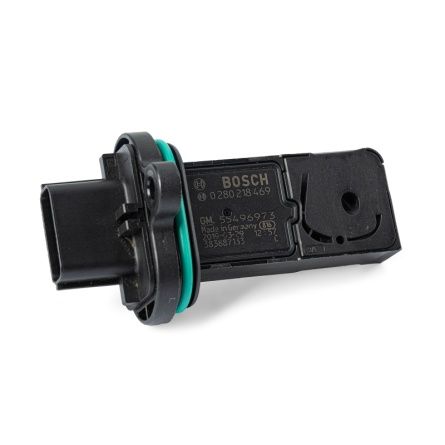
Mass Air Flow Sensor
General Motors12671625£65.51 £54.59 -
Mass Air Flow Sensor
General Motors13432261£65.51 £54.59 -
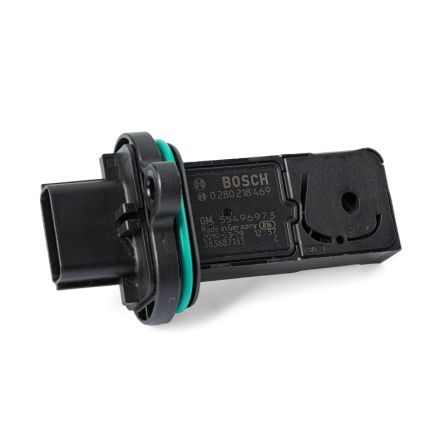
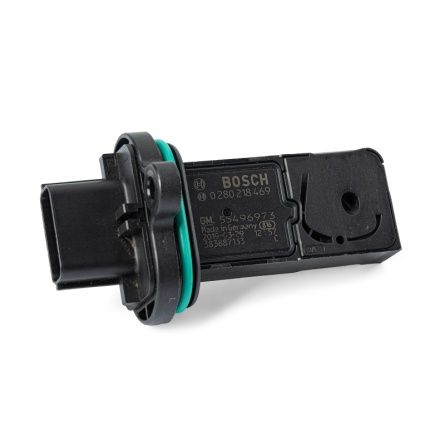
Mass Air Flow Sensor
General Motors55496973£65.51 £54.59 -
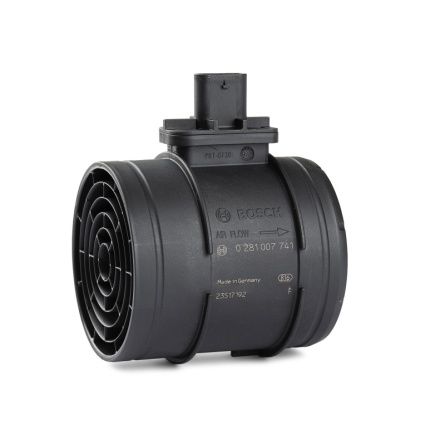
Mass Air Flow Sensor
Iveco5801903974£73.70 £61.42 -
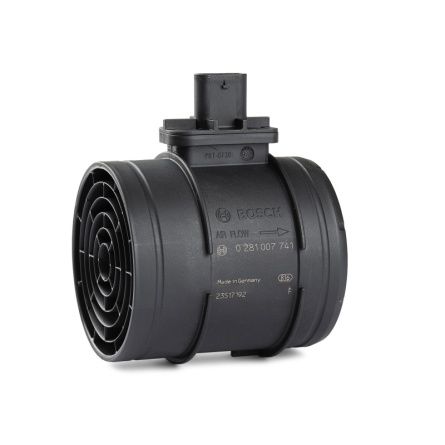
Mass Air Flow Sensor
Iveco5802317370£73.70 £61.42 -
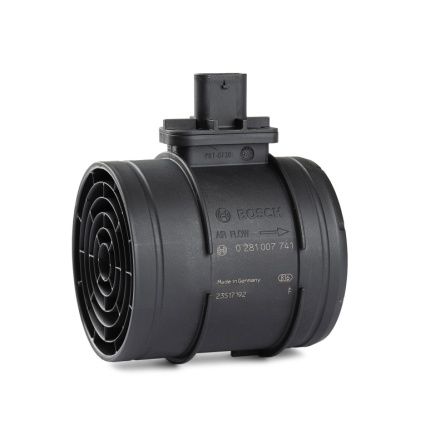
Mass Air Flow Sensor
Fiat55260335£73.70 £61.42
MAF sensors
In the world of modern automotive engineering, precision and efficiency define performance, and few components represent this balance better than the mass air flow sensor. This compact yet vital device measures the exact amount of air entering the intake system, allowing the engine control unit (ECU) to calculate the ideal fuel mixture for efficient combustion. The result is smoother acceleration, better throttle response, and reduced emissions. When this delicate process is disrupted, fuel economy drops, idle becomes unstable, and engine performance declines—proving how essential the sensor is to every modern vehicle. A properly functioning unit keeps the combustion process balanced, delivering both environmental and performance benefits in equal measure.
Understanding the Role of Mass Air Flow Sensors
The main function of the MAF sensor is to measure the mass and density of air entering the engine at all times. The ECU depends on this information to inject the correct amount of fuel into the cylinders. Maintaining the ideal air-to-fuel ratio—typically around 14.7:1 for petrol engines—ensures complete combustion, low emissions, and maximum power. When the readings are accurate, the engine runs smoothly with excellent response and economy. However, when the sensor becomes dirty or worn, the mixture can become either too rich or too lean, leading to increased fuel use, reduced performance, and even damage to the catalytic converter. Essentially, it acts as a silent guardian of combustion, ensuring that every drop of fuel contributes to efficient power generation.
Types of MAF Sensors
There are several sensor designs used across different generations of vehicles, each employing distinct measuring principles.
The vane-type, also known as the flap sensor, relies on a spring-loaded flap that moves according to the volume of air passing through the intake. Its movement is translated into an electrical signal for the ECU. Although mechanically simple and reliable, it slightly restricts airflow and responds slowly to sudden throttle changes.
The hot-wire design, on the other hand, is common in modern vehicles. It works by heating a thin wire and measuring how much current is required to keep the wire at a constant temperature as air flows over it. The cooling effect of the air directly reflects the quantity of incoming air. This design is fast and accurate but sensitive to contamination.
A more advanced version is the hot-film sensor, which uses a thin film mounted on a chip instead of a wire. It provides greater resistance to vibration and dirt while maintaining accuracy under variable conditions. Selecting the right type depends on the vehicle’s age, design, and performance expectations.
Signs of a Faulty MAF Sensor
When the sensor begins to fail, drivers notice several clear symptoms. The most common is poor fuel economy, as the ECU receives inaccurate airflow data and delivers too much or too little fuel. Other signs include rough idling, stalling, or hesitation during acceleration. The engine may lose power or become unresponsive, especially under load. A failing unit can also trigger the Check Engine Light with diagnostic codes such as P0100 to P0104, indicating circuit or performance problems. In severe cases, the engine may struggle to start or emit black smoke due to an overly rich mixture. Because these issues affect fuel consumption, emissions, and driveability, timely inspection and cleaning—or replacement when necessary—are essential to maintain proper function.
Choosing and Replacing a MAF Sensor
Selecting the correct replacement begins with verifying compatibility through the vehicle’s VIN or original equipment part number. Each unit is precisely calibrated to match specific engine management systems, meaning even small design variations can impact performance. High-quality OEM or trusted aftermarket components ensure consistent and reliable operation. Before installation, the intake system should be clean and dry to prevent contamination of the new part. The sensor must be mounted in the correct airflow direction, and all seals checked for tightness. After replacement, clearing fault codes and allowing the ECU to relearn airflow parameters helps restore balance.
A correctly chosen and installed sensor keeps the engine performing at its best—ensuring efficient combustion, responsive acceleration, and reduced emissions. In the long run, this small component plays a crucial role in maintaining both the health of the vehicle and the sustainability of modern driving.