Engine
-
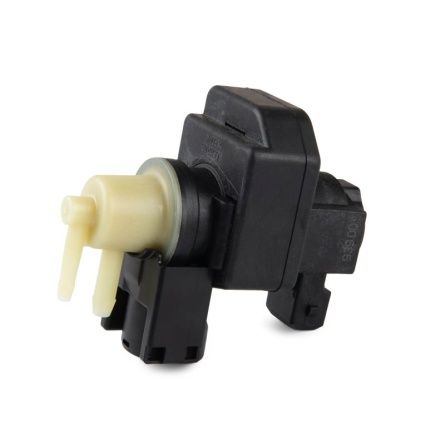
Pressure Converter
Hyundai / KIA35120-2A900£36.85 £30.71 -
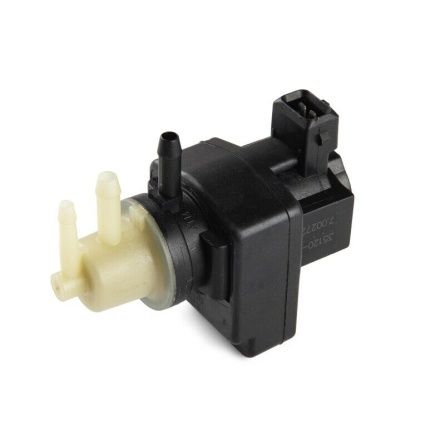
Pressure Converter
Nissan14956EB30A£32.75 £27.29 -
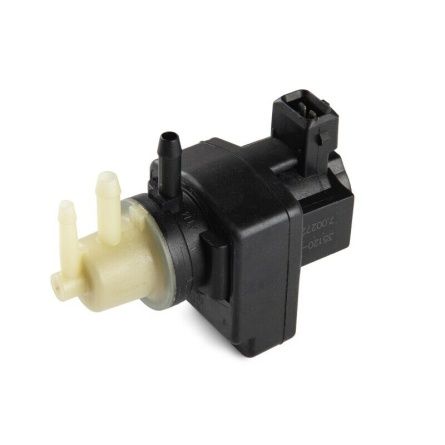
Pressure Converter
Nissan14956EB300£32.75 £27.29 -
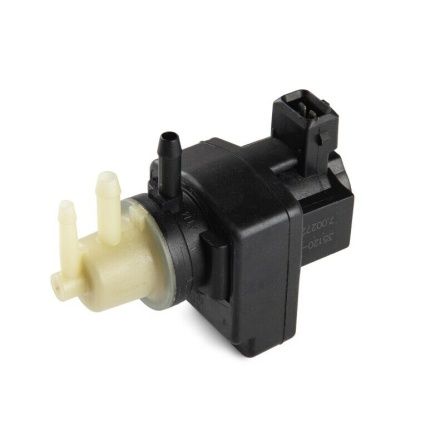
Pressure Converter
Nissan14956EB70A£32.75 £27.29 -
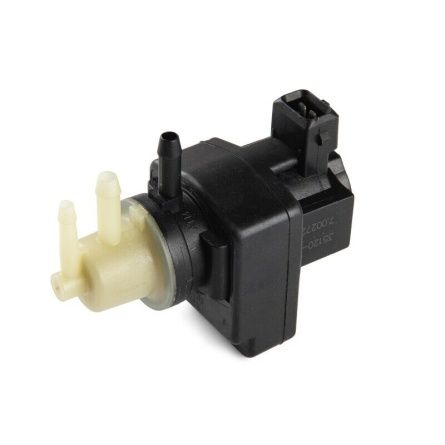
Pressure Converter
Nissan14956EB70B£32.75 £27.29 -
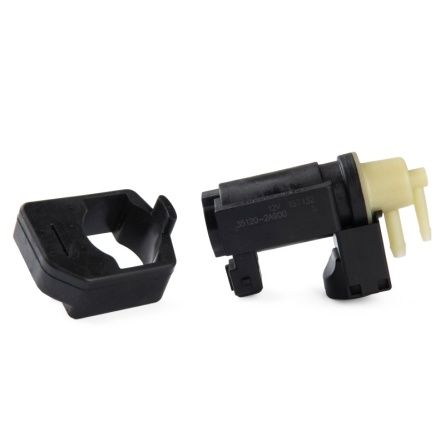
Pressure Converter
Audi059906627A£36.85 £30.71 -
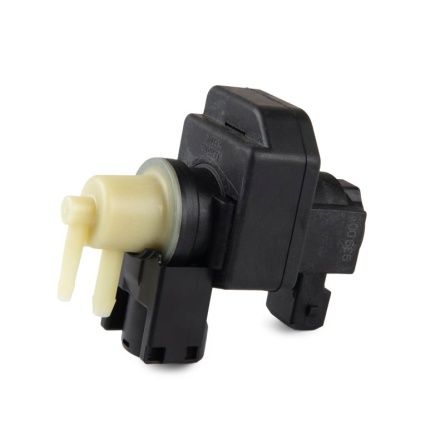
Pressure Converter
Audi059906627£36.85 £30.71 -
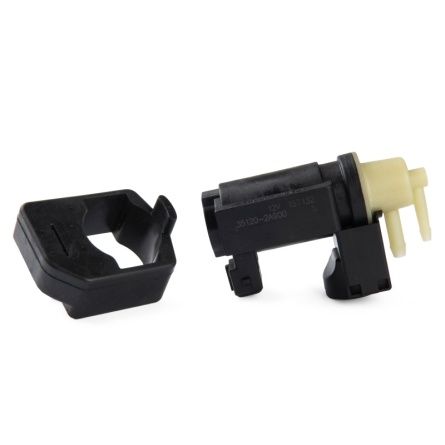
Pressure Converter
Renault8200247248£36.85 £30.71 -
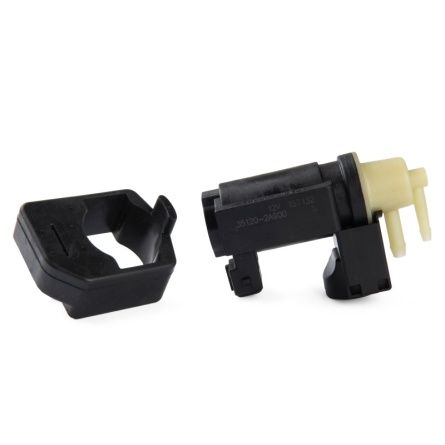
Pressure Converter
Renault8200162073£36.85 £30.71 -
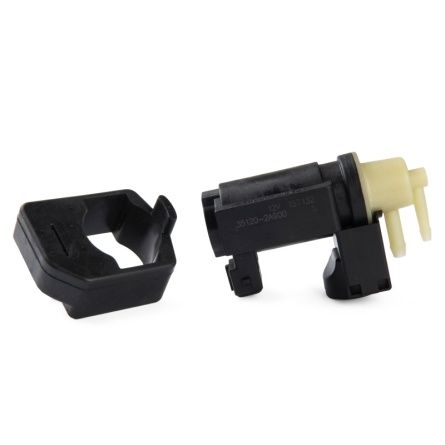
Pressure Converter
Renault8200270451£36.85 £30.71 -
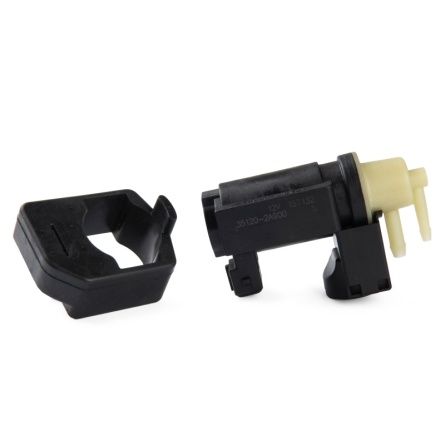
Pressure Converter
Renault8200412085£36.85 £30.71 -
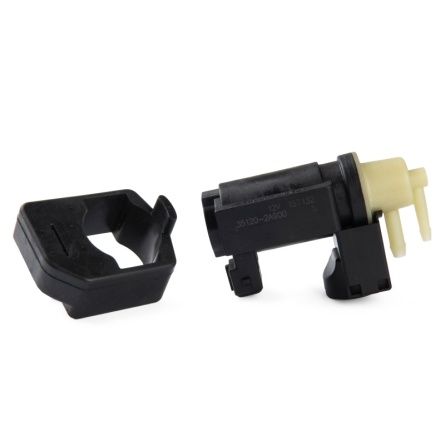
Pressure Converter
Renault8200486264£36.85 £30.71 -
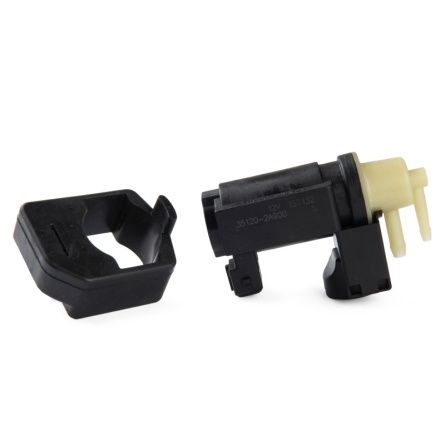
Pressure Converter
Hyundai / KIA35120-27050£36.85 £30.71 -
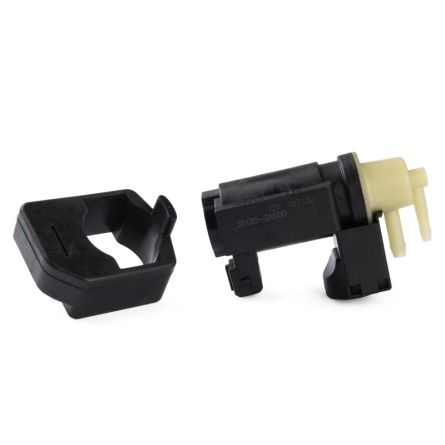
Pressure Converter
Hyundai / KIA35120-27400£36.85 £30.71 -
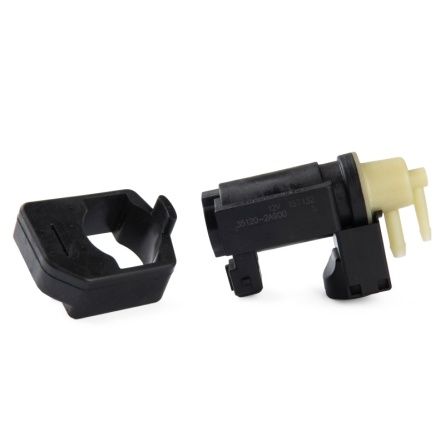
Pressure Converter
Hyundai / KIA39410-42700£36.85 £30.71 -
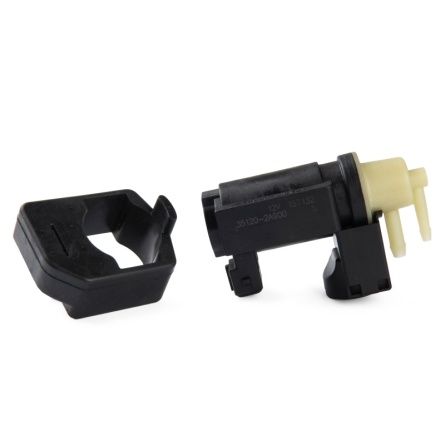
Pressure Converter
Hyundai / KIA35120-27000£36.85 £30.71 -
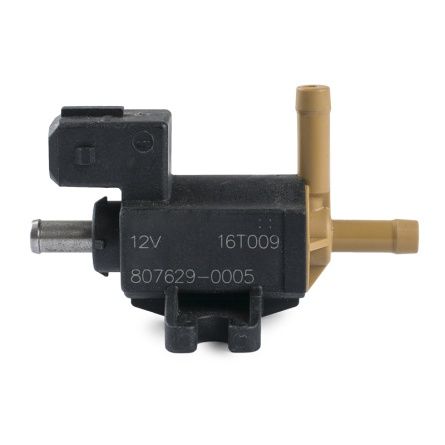
Pressure Converter
General Motors55579155£73.70 £61.42 -
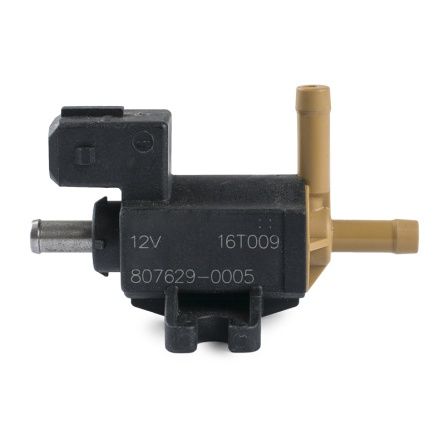
Pressure Converter
General Motors55557829£73.70 £61.42 -
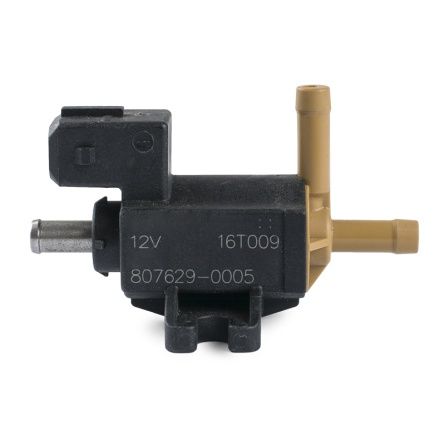
Pressure Converter
General Motors55577092£73.70 £61.42 -
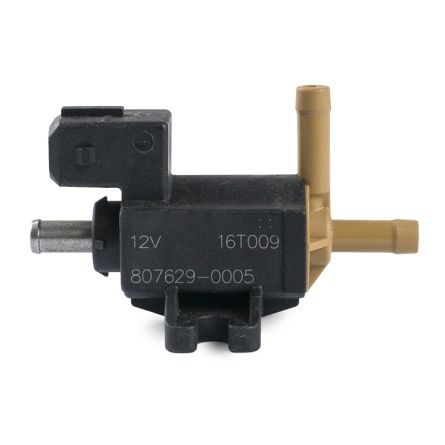
Pressure Converter
General Motors90424141£73.70 £61.42 -
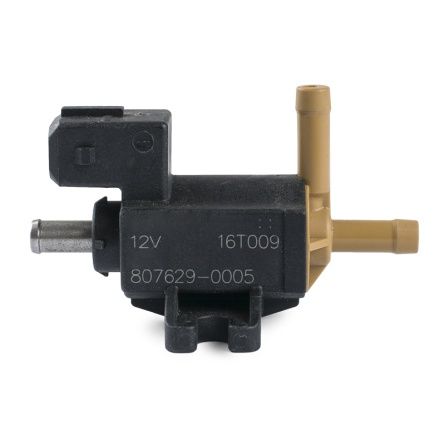
Pressure Converter
General Motors97288249£73.70 £61.42 -
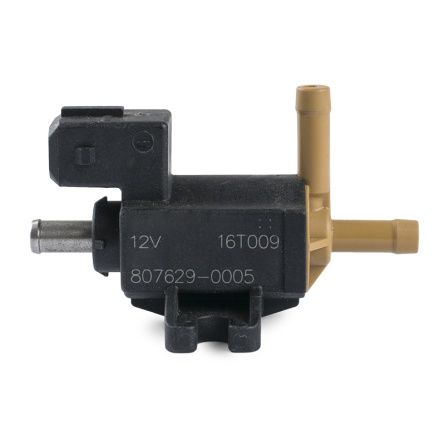
Pressure Converter
General Motors850388£73.70 £61.42 -
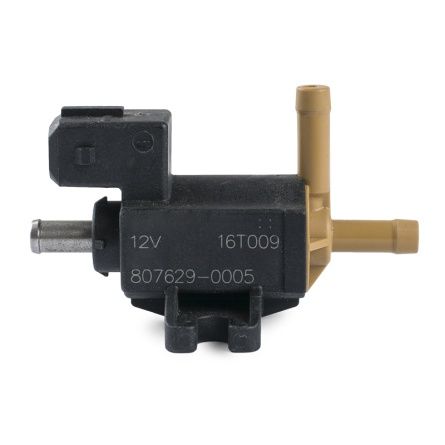
Pressure Converter
General Motors860489£73.70 £61.42 -
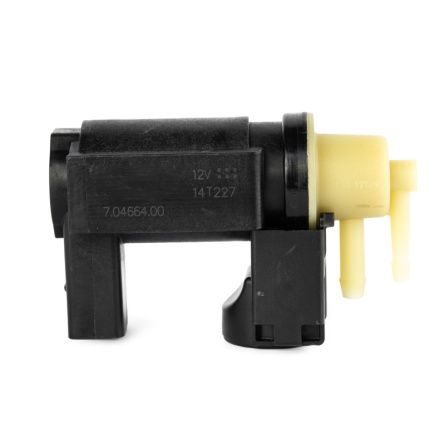
Pressure Converter
Volvo31339808£57.32 £47.77 -
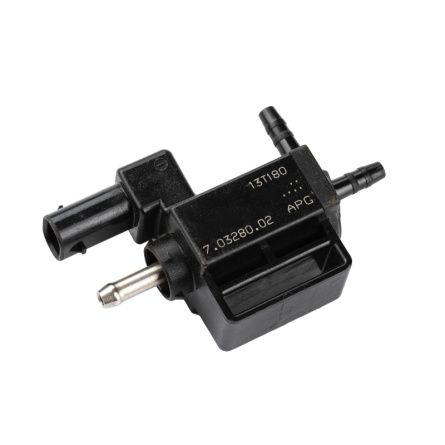
Pressure Converter
Volkswagen06H906283F£24.56 £20.47 -
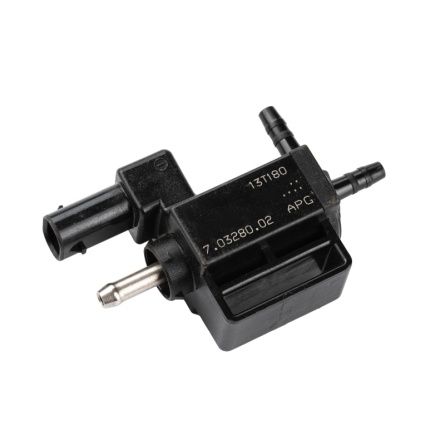
Pressure Converter
Volkswagen06H906283J£24.56 £20.47 -
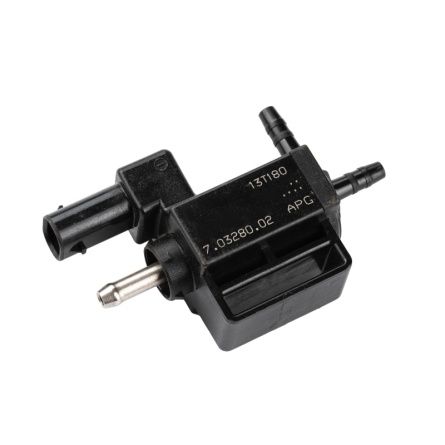
Pressure Converter
Volkswagen06H906283E£24.56 £20.47 -

Pressure Converter
BMW11742246175£32.75 £27.29 -
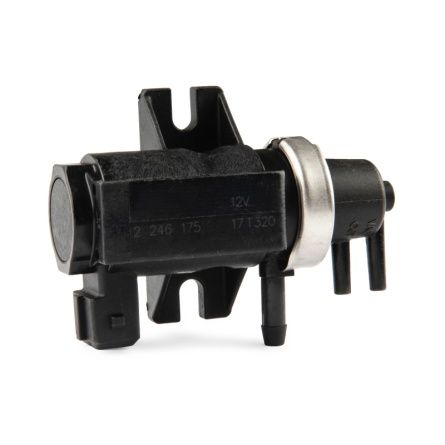
Pressure Converter
Land RoverSTC4198£32.75 £27.29 -
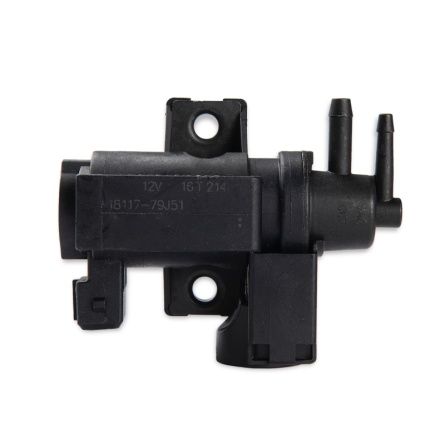
Pressure Converter
Volvo30637251£57.32 £47.77 -
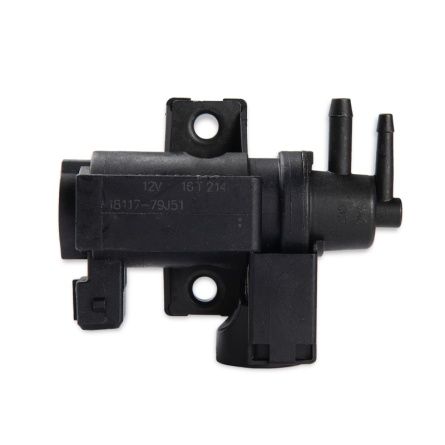
Pressure Converter
Volkswagen1H0906627A£57.32 £47.77 -
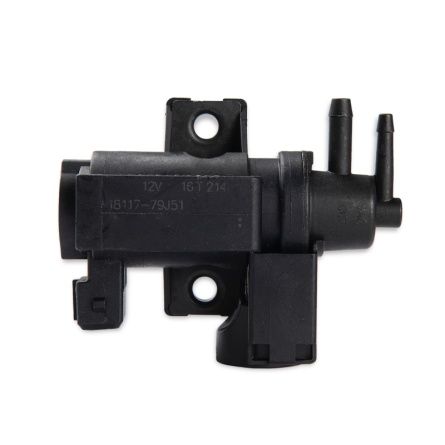
Pressure Converter
Suzuki18117-79J50£57.32 £47.77 -
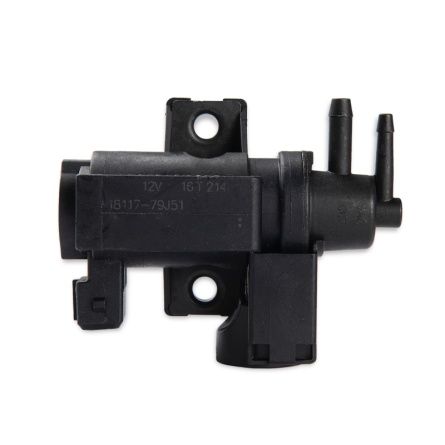
Pressure Converter
Suzuki18117-79J51£57.32 £47.77 -
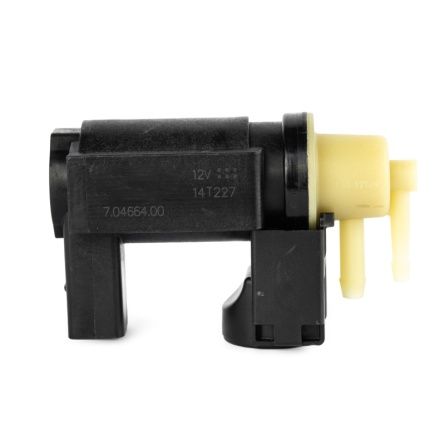
Pressure Converter
Volvo31293964£57.32 £47.77 -
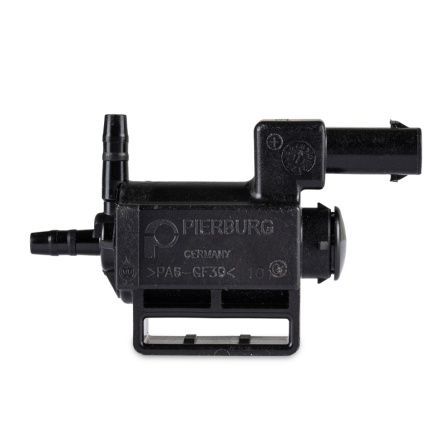
Pressure Converter
MercedesA0025406897£24.56 £20.47 -
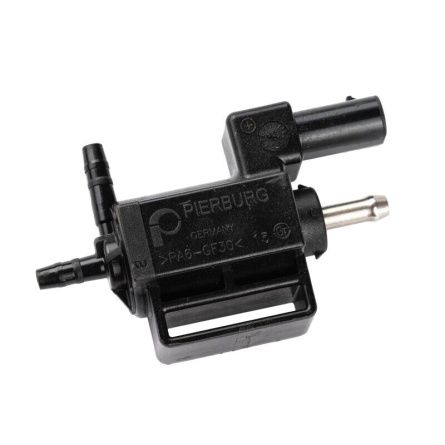
Pressure Converter
Ford59001170527£24.56 £20.47
Engine
Engines are the beating heart of modern vehicles, turning fuel into motion and driving progress in automotive technology. They are no longer just mechanical units designed to generate power; today’s engines are complex systems where electronics, sensors, and control units work together to balance performance, efficiency, and environmental responsibility. From compact cars designed for city driving to heavy-duty vehicles operating under demanding conditions, the engine remains the foundation of every vehicle’s performance. Its ability to deliver smooth acceleration, maintain durability, and comply with strict emissions standards depends largely on advanced monitoring systems. This is why understanding how an engine functions, and more importantly, how it is managed through sensors and control modules, is essential before taking a closer look at its components and functionality.
Understanding Engine Management Sensors
Engine management sensors are advanced electronic components designed to monitor and regulate the critical parameters that keep a modern engine running smoothly. These components gather continuous streams of data on factors such as airflow, fuel delivery, exhaust composition, coolant and air temperature, and rotational speed. The information is then transmitted to the Engine Control Unit (ECU), which interprets the signals and makes real-time adjustments to injection timing, spark, and fuel–air ratios. By doing so, the ECU ensures that the engine adapts instantly to driving conditions—whether it is a quick burst of acceleration or steady cruising at highway speeds. The role of these sensors in maintaining efficiency is crucial, as they not only help reduce fuel consumption but also minimize emissions, enhance throttle response, and protect vital engine parts from unnecessary wear. Without properly functioning engine management sensors, the ECU would operate with incomplete data, leading to poor performance, higher operating costs, and greater environmental impact.
Types of Engine Management System Sensors
A modern engine relies on multiple types of sensors working together to keep it within optimal operating conditions. Oxygen sensors, also known as lambda sensors, are mounted in the exhaust system and measure the oxygen content of exhaust gases. Their readings allow the ECU to fine-tune the mixture of air and fuel, ensuring cleaner combustion and compliance with emissions regulations. Mass air flow sensors are placed in the intake system, where they calculate the precise volume and density of incoming air. This enables the ECU to determine the exact amount of fuel needed for efficient combustion. Throttle position sensors, located on the throttle body, measure the angle of the throttle plate and communicate driver intent directly to the ECU, which then adjusts fuel injection and ignition timing accordingly. Each of these engine management system sensors plays a specific role, but their combined function is what allows engines to achieve high levels of precision, performance, and durability. Without them, vehicles would lose the refined balance of efficiency and responsiveness that drivers have come to expect in modern cars.
Benefits of Advanced Engine Management Systems
The introduction of advanced engine management systems has transformed vehicle performance and reliability. One of the most noticeable benefits is improved fuel economy, as the ECU can optimize combustion with pinpoint accuracy. Drivers enjoy smoother acceleration, better mileage, and reduced running costs. Another major advantage is the significant reduction of exhaust emissions, which is achieved through precise control of combustion in conjunction with catalytic converters and particulate filters. These systems are essential for meeting strict environmental legislation while maintaining engine performance. A further benefit lies in advanced diagnostic capabilities. The ECU can detect anomalies, log fault codes, and trigger warning lights long before problems become severe. This not only makes vehicle servicing more efficient but also prevents expensive repairs by addressing issues at an early stage. Together, these advantages prove that modern engine management systems are not just about efficiency—they are also about sustainability, reliability, and intelligent diagnostics.
Choosing the Right Sensors for Your Engine
When replacing or upgrading sensors, it is critical to select components that are fully compatible with the engine and ECU. Even slight variations in design can lead to incorrect readings, which compromise overall system performance. Checking the vehicle’s VIN or original equipment numbers provides the most accurate reference for choosing replacements. Quality is another factor that cannot be overlooked, as low-quality parts often result in inaccurate data, leading to higher fuel consumption, loss of power, or premature failure. Reputable manufacturers and certified aftermarket suppliers guarantee sensors that meet strict durability and precision standards. Driving environment also influences sensor selection: vehicles used mainly in urban areas benefit from sensors that respond quickly in stop-and-go conditions, while those operating in extreme climates need sensors capable of withstanding temperature fluctuations and constant thermal stress. Diesel engines, with their higher pressures and temperatures, require particularly robust sensors for oxygen measurement and exhaust pressure monitoring. Turbocharged petrol engines, on the other hand, demand airflow and boost sensors with excellent accuracy to maintain performance without risking engine damage. In every case, choosing high-quality, compatible engine management system sensors ensures that the engine performs efficiently, reliably, and in compliance with emissions requirements.