
Lambda sensors
-
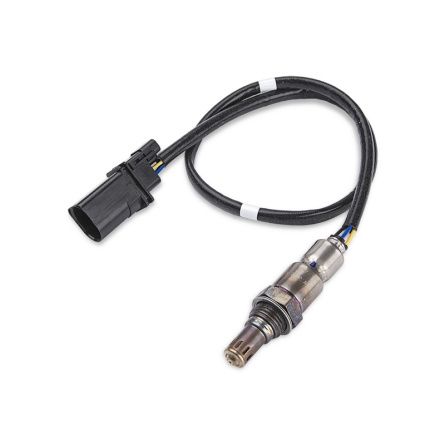
Lambda Sensor
Opel55579925£90.08 £75.07 -
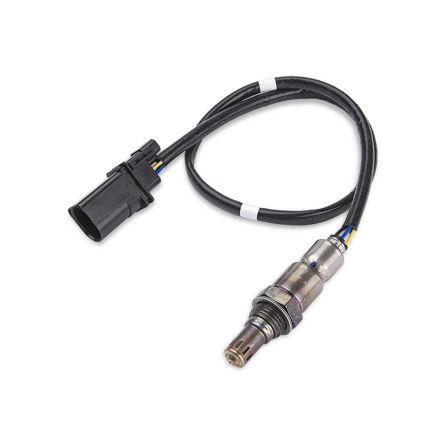
Lambda Sensor
Opel55570095£90.08 £75.07 -
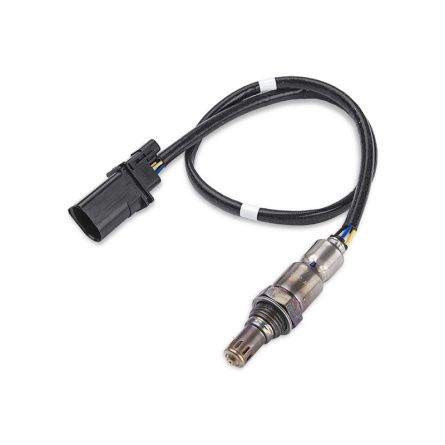
Lambda Sensor
Opel55595508£90.08 £75.07 -
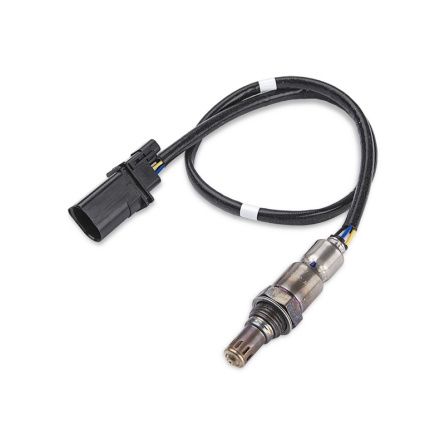
Lambda Sensor
Opel55581760£90.08 £75.07 -
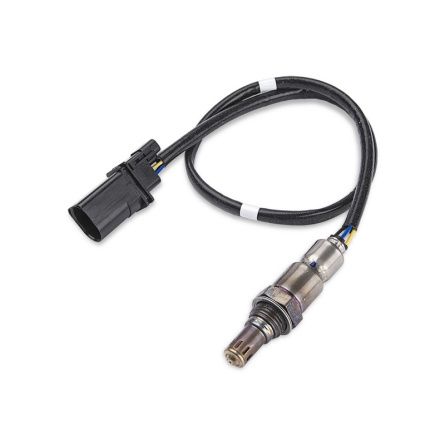
Lambda Sensor
Volkswagen04L906262A£90.08 £75.07 -
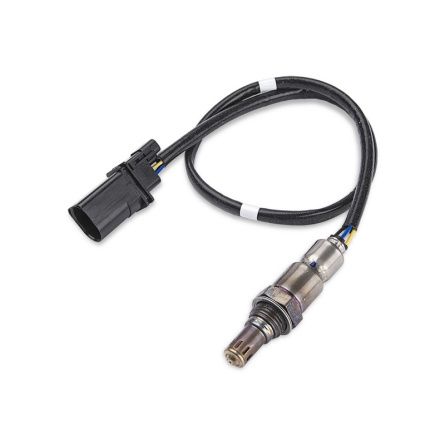
Lambda Sensor
Volkswagen04L906262AF£90.08 £75.07 -
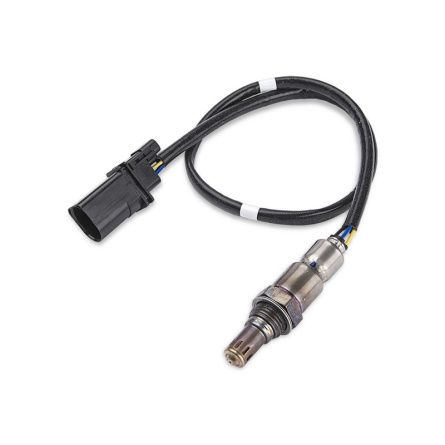
Lambda Sensor
Volkswagen04L906262C£90.08 £75.07 -
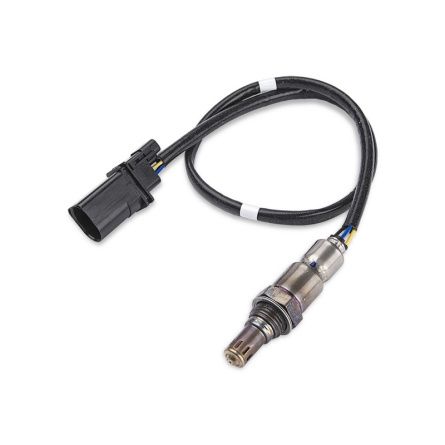
Lambda Sensor
Volkswagen04L906262M£90.08 £75.07 -
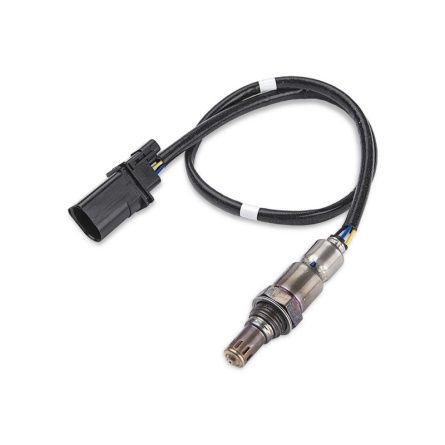
Lambda Sensor
Volkswagen04L906262AE£90.08 £75.07 -
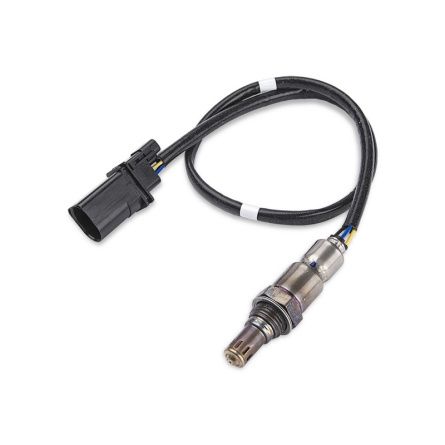
Lambda Sensor
Volkswagen04L906262AG£90.08 £75.07 -
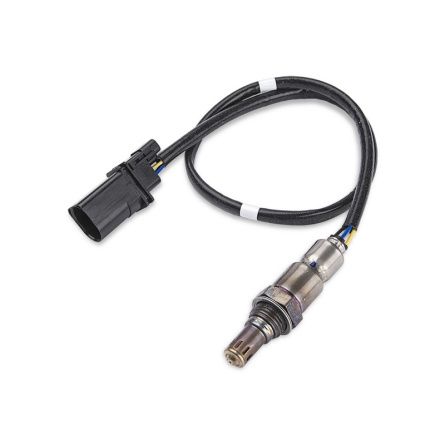
Lambda Sensor
Volkswagen04L906262E£90.08 £75.07 -
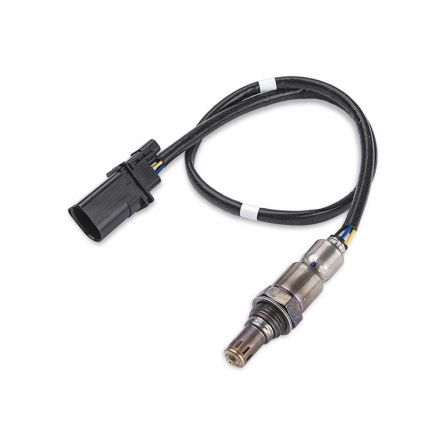
Lambda Sensor
Volkswagen04L906262AD£90.08 £75.07 -
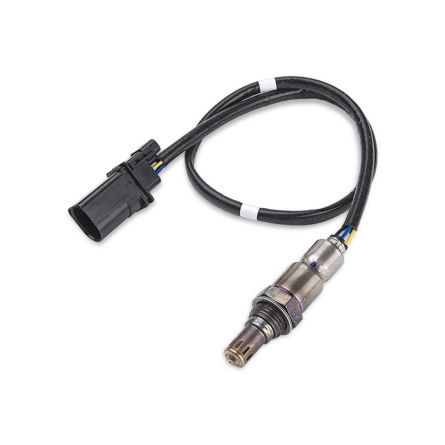
Lambda Sensor
Volkswagen04L906262F£90.08 £75.07 -
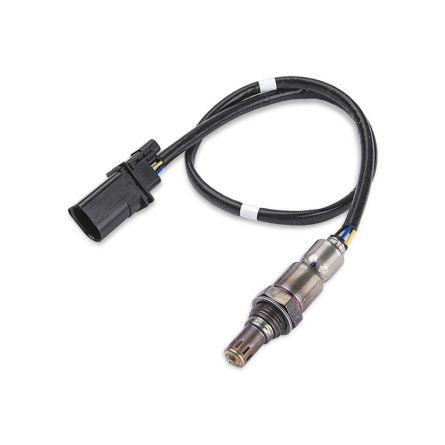
Lambda Sensor
Volkswagen04L906262AC£90.08 £75.07 -
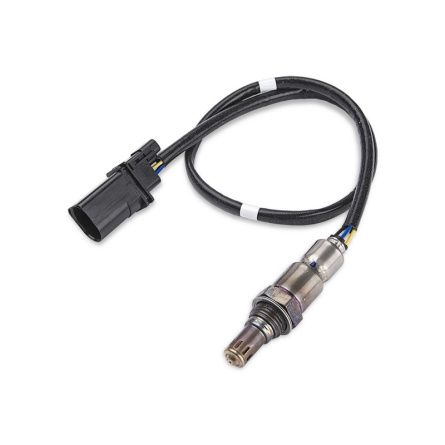
Lambda Sensor
Volkswagen04L906262AA£90.08 £75.07 -
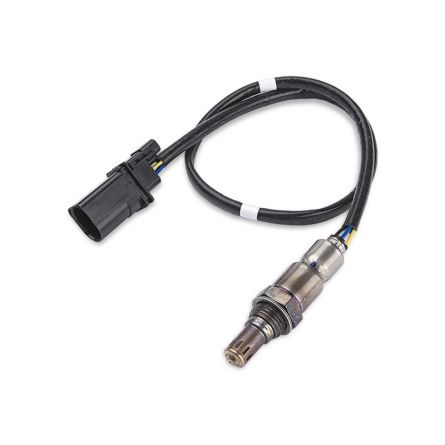
Lambda Sensor
Volkswagen04L906262AB£90.08 £75.07 -
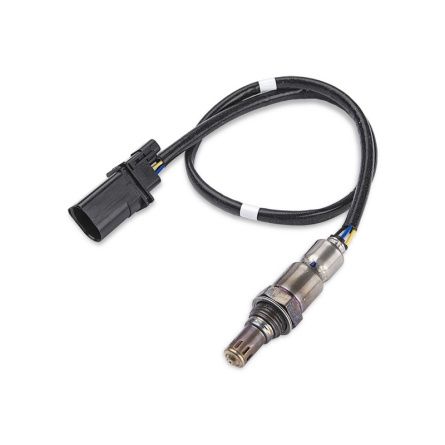
Lambda Sensor
Volkswagen03F906262B£90.08 £75.07 -
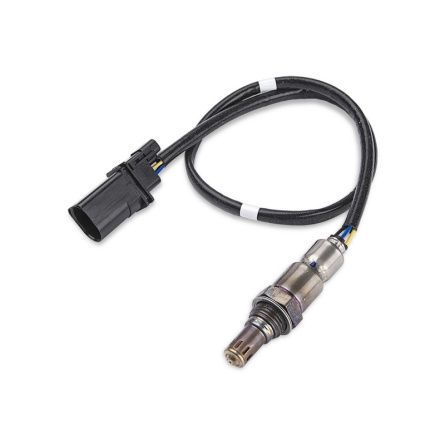
Lambda Sensor
Volkswagen03F906262D£90.08 £75.07 -
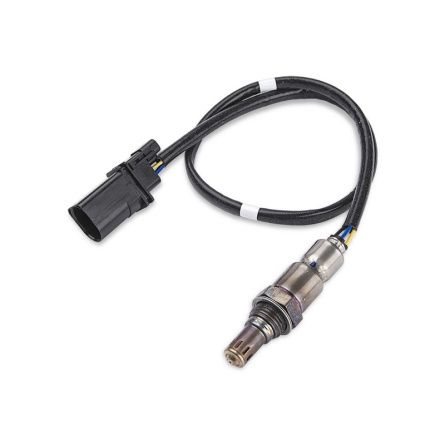
Lambda Sensor
Volkswagen03L906262D£90.08 £75.07 -
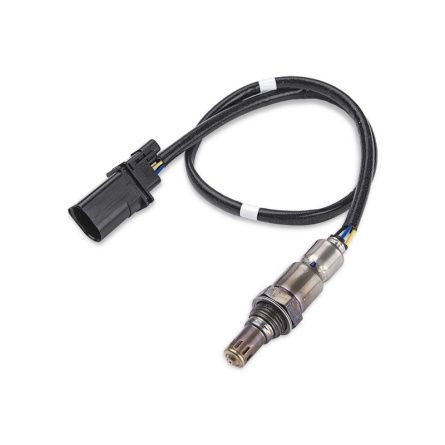
Lambda Sensor
Volkswagen04E906262E£90.08 £75.07 -
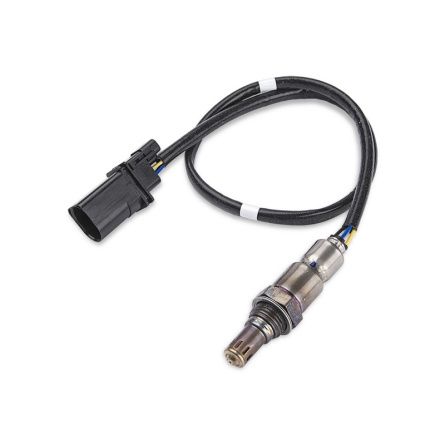
Lambda Sensor
Volkswagen04E906262N£90.08 £75.07 -
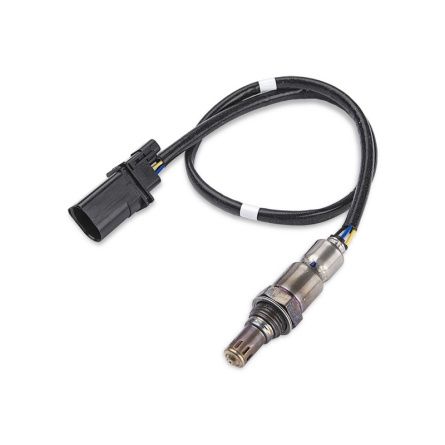
Lambda Sensor
Volkswagen03L906262A£90.08 £75.07 -
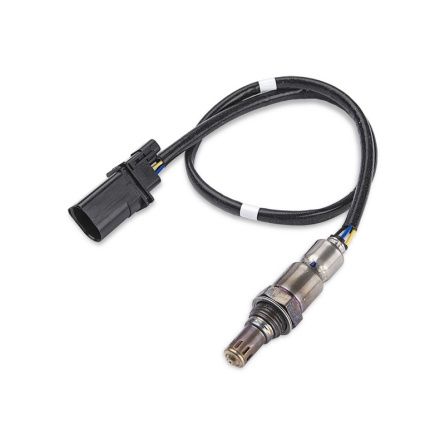
Lambda Sensor
Volkswagen03F906262£90.08 £75.07 -
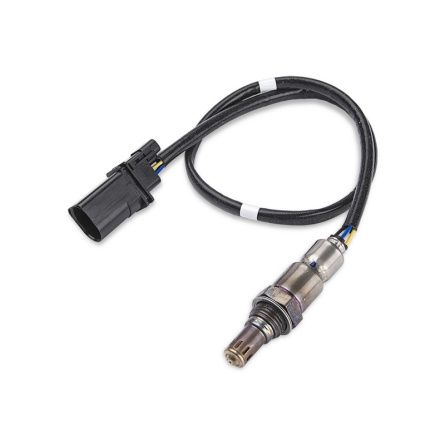
Lambda Sensor
Volkswagen06E906265AK£90.08 £75.07 -
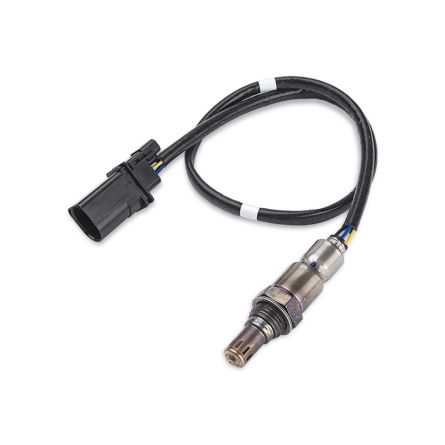
Lambda Sensor
Volkswagen06E906265T£90.08 £75.07 -
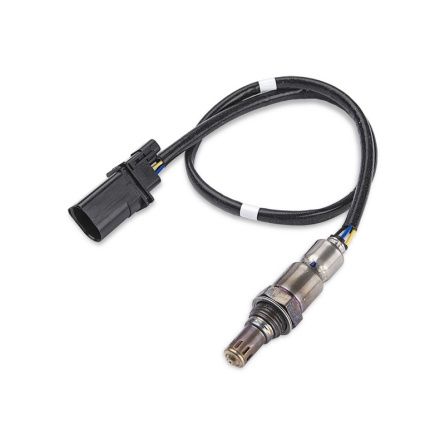
Lambda Sensor
Volkswagen06E906265R£90.08 £75.07 -
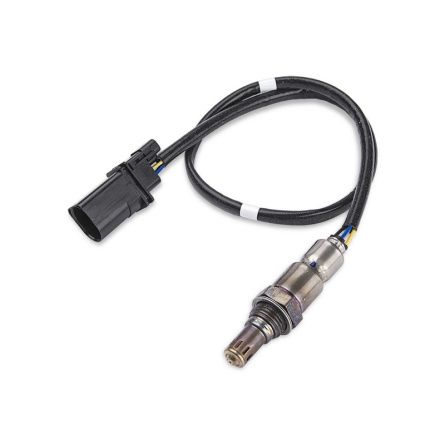
Lambda Sensor
Volkswagen06E906265AJ£90.08 £75.07 -
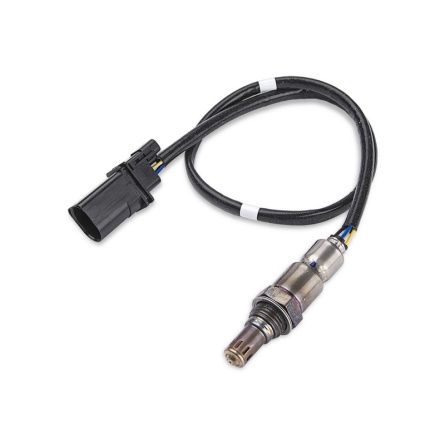
Lambda Sensor
Volkswagen4L0906262F£90.08 £75.07 -
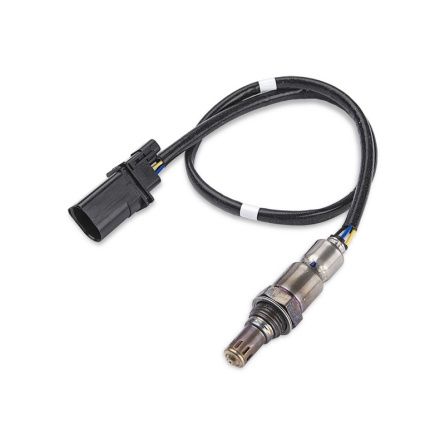
Lambda Sensor
Volkswagen4L0906262K£90.08 £75.07 -
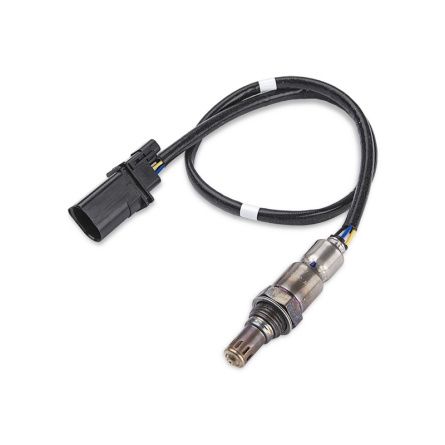
Lambda Sensor
Fiat55214916£90.08 £75.07 -
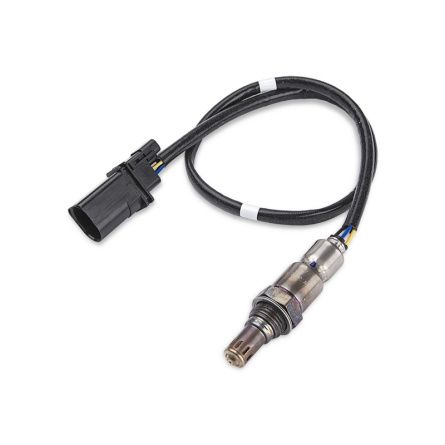
Lambda Sensor
Fiat55210334£90.08 £75.07 -
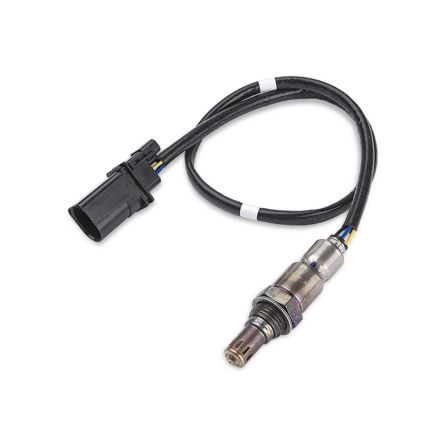
Lambda Sensor
Fiat55281066£90.08 £75.07 -

Lambda Sensor
Fiat51799398£90.08 £75.07 -
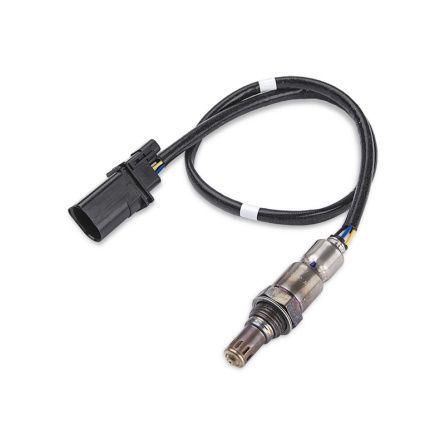
Lambda Sensor
Fiat1618RQ£90.08 £75.07 -
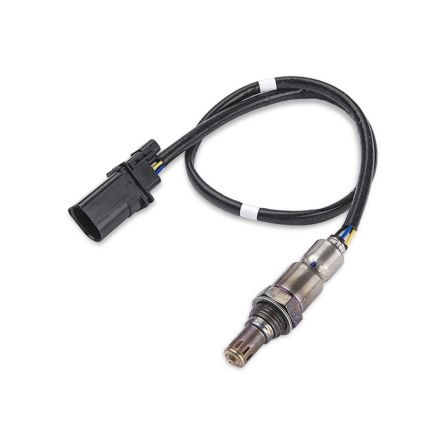
Lambda Sensor
Hyundai / KIA39210-2G380£90.08 £75.07 -
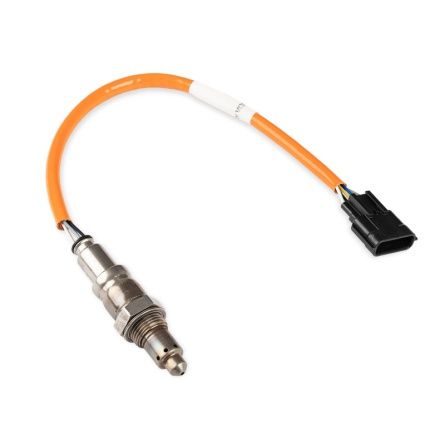
Lambda Sensor
Renault226930618R£65.51 £54.59
Lambda sensors
Lambda sensors, often called oxygen sensors, are small but essential devices placed deep within a vehicle’s exhaust system. Their presence may go unnoticed by most drivers, yet their influence on performance, fuel economy, and emissions is enormous. They operate in extremely harsh conditions, exposed to high temperatures and corrosive exhaust gases, but their reliability is crucial for the daily operation of every modern vehicle. By continuously monitoring the amount of oxygen in the exhaust stream, these sensors deliver real-time data to the engine control unit, which then adjusts the air–fuel mixture with remarkable precision. The effect is improved driveability, reduced fuel consumption, and cleaner exhaust gases. Without properly functioning sensors, engines lose efficiency, catalytic converters degrade more quickly, and emissions can exceed legal limits, creating a chain of negative consequences for both the driver and the environment.
Understanding Lambda Sensors
To answer the question what is a lambda sensor, it can be described as a device that measures the oxygen content of the exhaust gases and communicates with the electronic control unit of the vehicle. The term “lambda” comes from the Greek letter λ, which symbolizes the air–fuel equivalence ratio. A lambda sensor tells the system whether combustion is occurring under rich conditions (too much fuel, too little oxygen) or lean conditions (too little fuel, too much oxygen). This information allows the ECU to regulate injection and ignition timing so that the mixture stays close to stoichiometric balance, usually 14.7 parts of air to 1 part of fuel in petrol engines.
The principle of operation is relatively simple but highly effective. The sensing element generates a small voltage in response to oxygen levels. This voltage signal changes rapidly as the exhaust composition varies and is transmitted instantly to the ECU. The controller then adjusts injection duration and ignition in real time, keeping combustion efficient and emissions under control. In essence, the answer to what does a lambda sensor do is straightforward: it constantly monitors the combustion process and helps regulate it.
The Function of a Lambda Sensor
When asked more specifically what does a lambda sensor do, the reply involves both performance and environmental aspects. On the performance side, the sensor ensures that the engine delivers consistent power without wasting fuel. By preventing mixtures that are too rich, it avoids carbon build-up and protects spark plugs, valves, and the catalytic converter. On the environmental side, it reduces harmful emissions such as hydrocarbons, carbon monoxide, and nitrogen oxides. The lambda sensor therefore becomes an essential element in meeting strict regulatory standards, particularly in markets where emissions are heavily monitored.
A modern vehicle would not be able to achieve real-time adjustment without this constant stream of feedback. When the oxygen content in exhaust gases rises, the ECU interprets it as a lean condition and increases fuel injection. When oxygen content falls, the ECU reduces fuel injection to avoid a rich condition. This continuous balancing act is what allows drivers to experience smooth acceleration, stable idling, and fuel efficiency across different driving conditions.
Types of Lambda Sensors
There are several main types of sensors, and choosing the correct one for each application is crucial. Narrowband zirconia sensors, also known as switching sensors, are the traditional design. They generate a voltage signal that flips between rich and lean conditions around λ = 1. Their advantage is simplicity and cost-effectiveness, making them ideal for many small cars and older vehicles. However, they only provide limited information to the ECU, essentially indicating “rich” or “lean” rather than offering detailed readings.
Titanium sensors represent another narrowband variety, but instead of generating voltage, they change resistance depending on oxygen content. They respond quickly but are more sensitive to operating temperature. These appeared in some Japanese and European vehicles in the 1990s and early 2000s, where fast feedback was required to stabilize emissions just after cold starts.
The most advanced are wideband or UEGO sensors, which supply a continuous and linear signal across a wide range of air–fuel ratios. Instead of simply switching, they report the exact lambda value, enabling precise control in modern engines with turbocharging, direct fuel injection, and gasoline particulate filters. These are now standard in performance-oriented engines and vehicles designed to meet the toughest emission limits. Their advantage lies in delivering accurate data under all loads, from gentle cruising to hard acceleration.
Another distinction lies in heating. Traditional sensors required time to reach operating temperature, leaving the ECU in open-loop mode longer and producing higher emissions after start-up. Planar heated sensors, however, reach working temperature within seconds, which is critical for hybrid cars and vehicles with frequent stop–start operation. Upstream sensors, located before the catalytic converter, regulate the mixture directly, while downstream sensors, located after the catalytic converter, monitor its efficiency and provide additional diagnostic data.
Signs of a Faulty Lambda Sensor
When a sensor begins to degrade, the symptoms appear in both vehicle behavior and emissions. One of the first warning signs is higher fuel consumption, as the ECU can no longer fine-tune the air–fuel mixture. Drivers often notice rough idling, hesitation when accelerating, or even misfires. A failing sensor can also trigger the check engine light, with diagnostic codes pointing to oxygen sensor performance or catalytic converter efficiency problems.
Another major consequence is increased emissions. If the ECU receives false signals, it may deliver too much fuel, causing a rich mixture that releases carbon monoxide and unburned hydrocarbons. Alternatively, it may lean the mixture too far, leading to higher nitrogen oxide emissions. Over time, these imbalances damage the catalytic converter, an expensive component that depends on balanced exhaust composition to work properly. Ignoring the signs of a failing sensor can therefore result not only in reduced driveability but also in costly repairs.
The typical symptoms of failure include increased fuel use, irregular idling, sluggish performance, higher emissions, and illuminated dashboard warnings. Because the cost of replacing a sensor is much lower than repairing a catalytic converter, timely maintenance is always advisable.