
NOx sensors
-
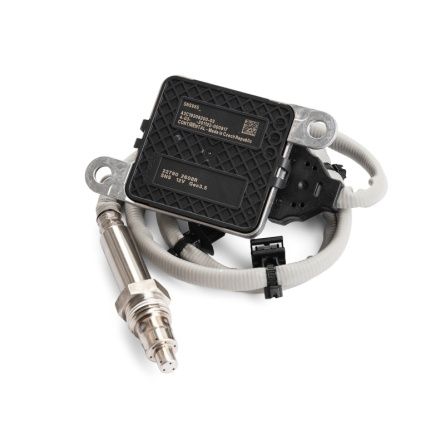
NOx-sensor
Renault227901939R£286.64 £238.87 -
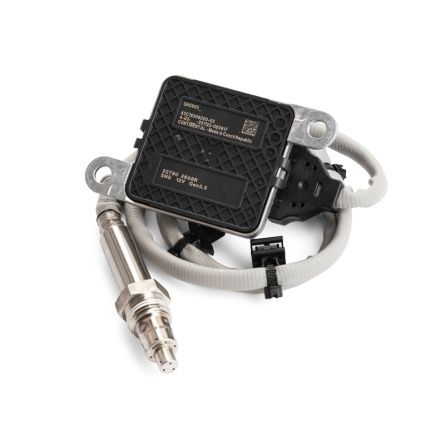
NOx-sensor
Renault227904120R£286.64 £238.87 -
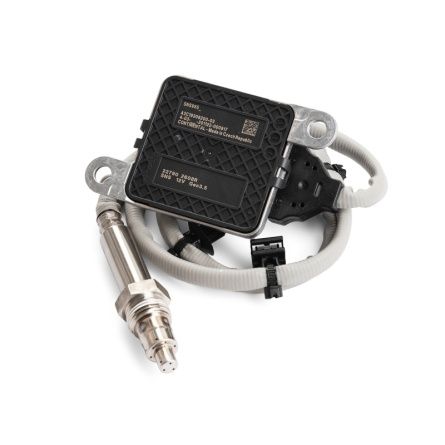
NOx-sensor
Renault227909507R£286.64 £238.87 -
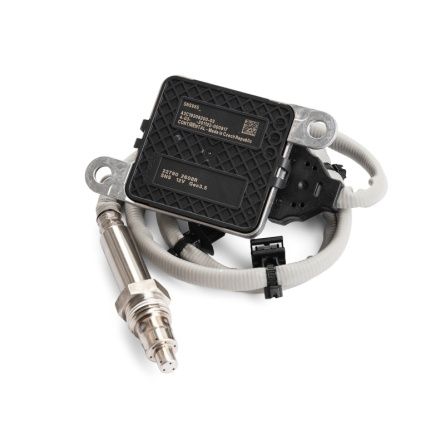
NOx-sensor
Nissan2279000Q0K£286.64 £238.87 -
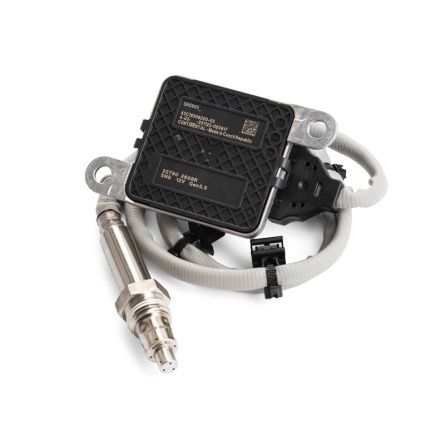
NOx-sensor
Nissan2279000Q1C£286.64 £238.87 -
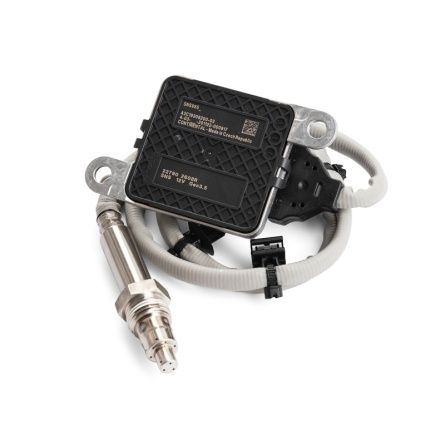
NOx-sensor
Nissan2279000Q0H£286.64 £238.87 -
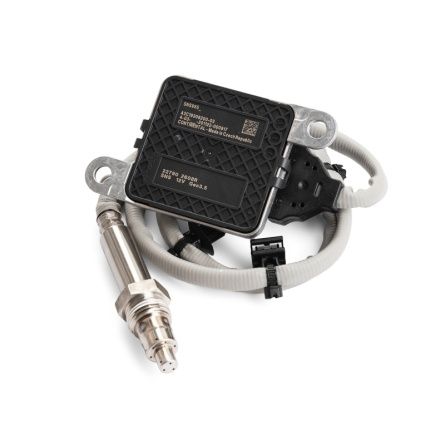
NOx-sensor
Fiat6000640093£286.64 £238.87 -
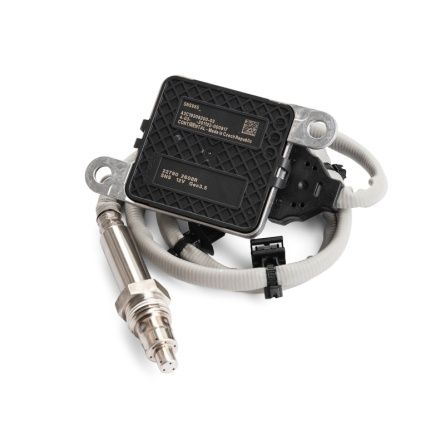
NOx-sensor
Fiat6000620236£286.64 £238.87 -
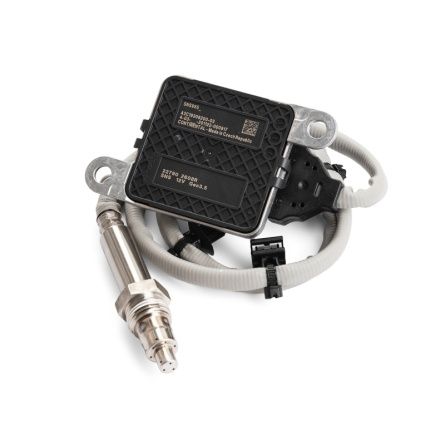
NOx-sensor
Renault227909181R£286.64 £238.87 -
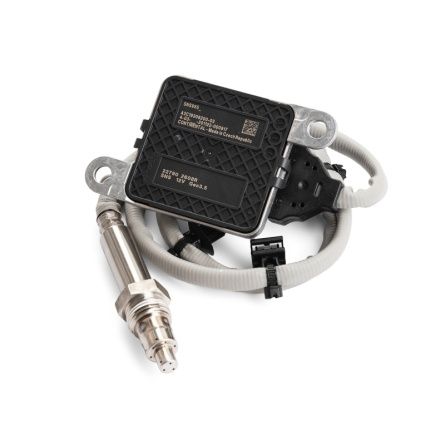
NOx-sensor
Opel95529378£286.64 £238.87 -
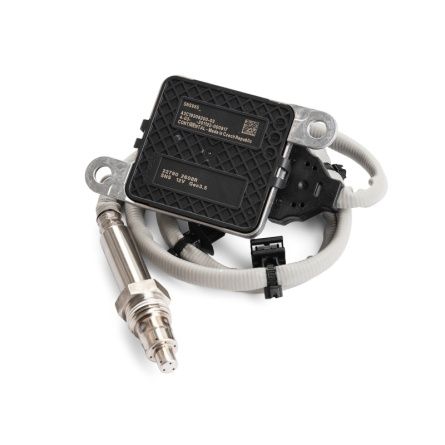
NOx-sensor
Renault227908265R£286.64 £238.87 -
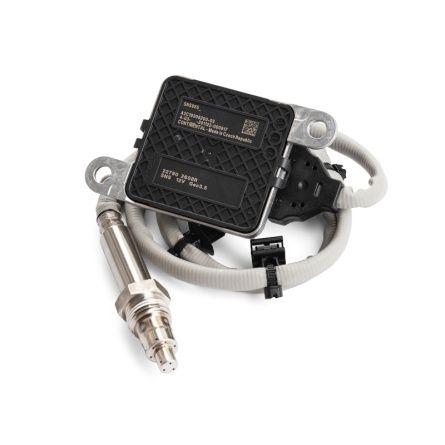
NOx-sensor
Fiat6000640763£286.64 £238.87 -
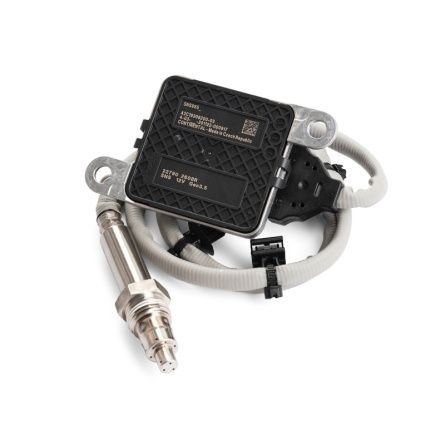
NOx-sensor
Renault227902608R£286.64 £238.87 -
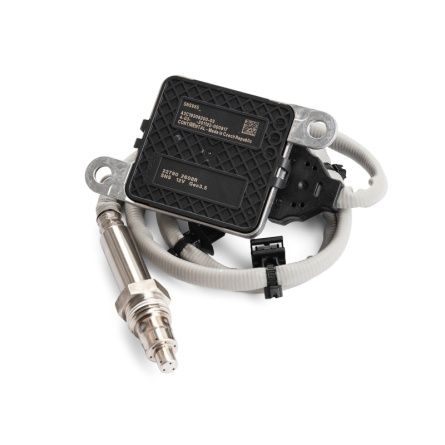
NOx-sensor
Renault227907452R£286.64 £238.87 -
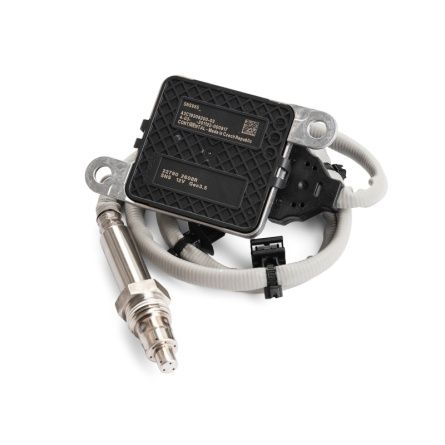
NOx-sensor
MercedesA4709052402£286.64 £238.87 -
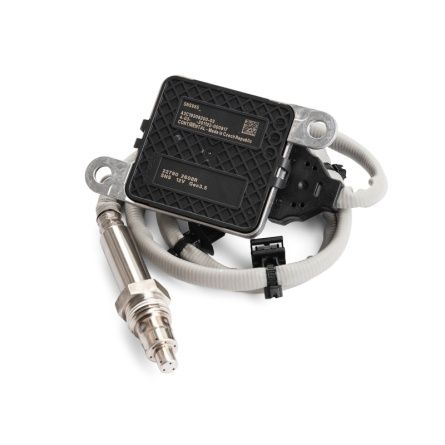
NOx-sensor
MercedesA4709052502£286.64 £238.87 -
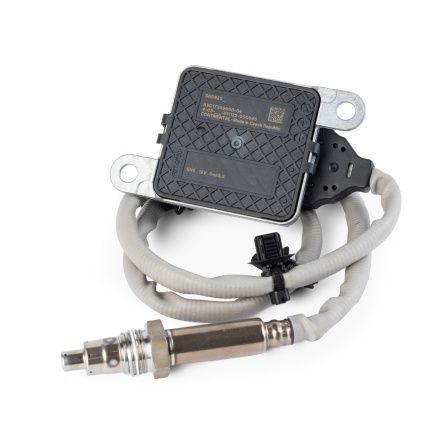
NOx-sensor
Renault227903290R£327.59 £272.99 -
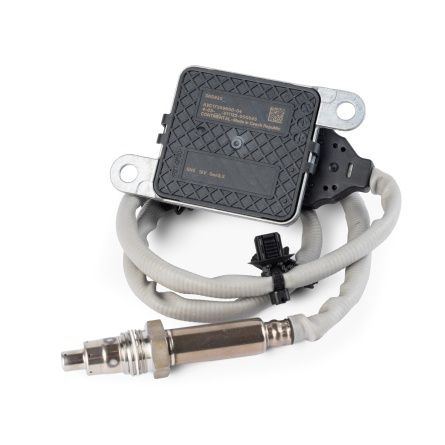
NOx-sensor
MercedesA4159057900£327.59 £272.99 -
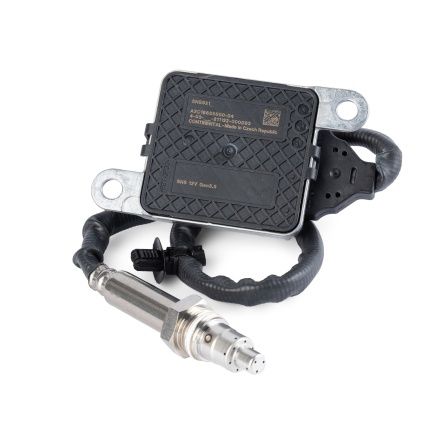
NOx-sensor
Renault227903512R£327.59 £272.99 -
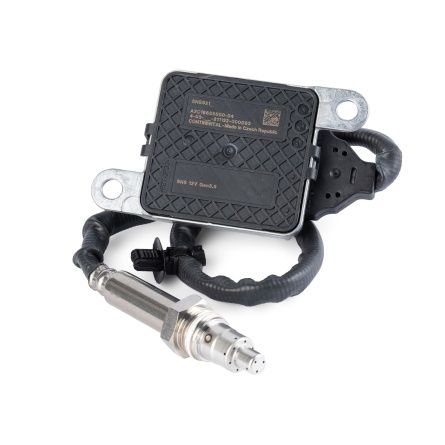
NOx-sensor
MercedesA4159057800£327.59 £272.99 -
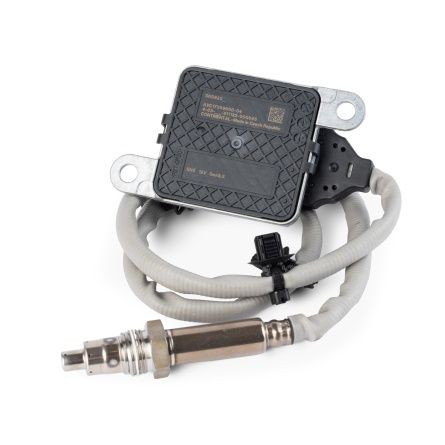
NOx-sensor
Nissan2279000Q0M£327.59 £272.99 -
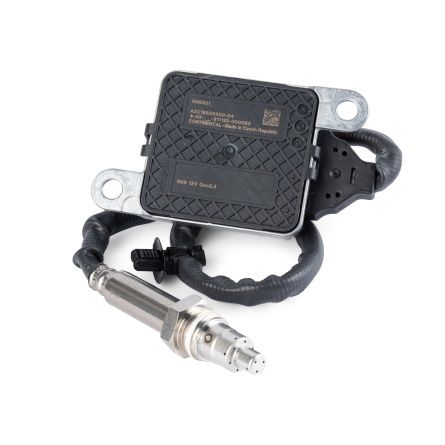
NOx-sensor
Nissan2279000Q0L£327.59 £272.99 -
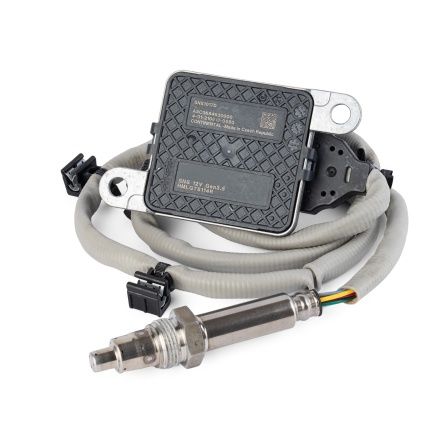
NOx-sensor
Renault227909665R£327.59 £272.99 -
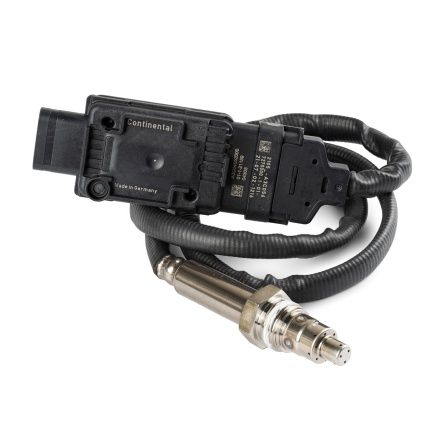
NOx-sensor
BMW13629887284£286.64 £238.87 -
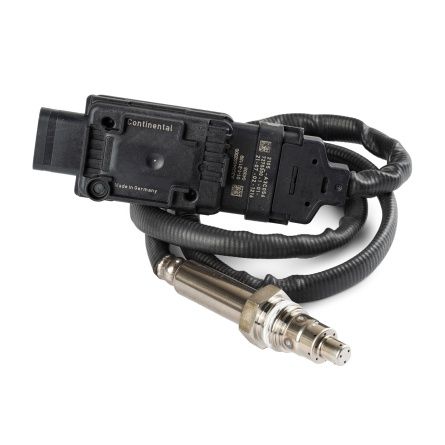
NOx-sensor
BMW13627926310£286.64 £238.87 -
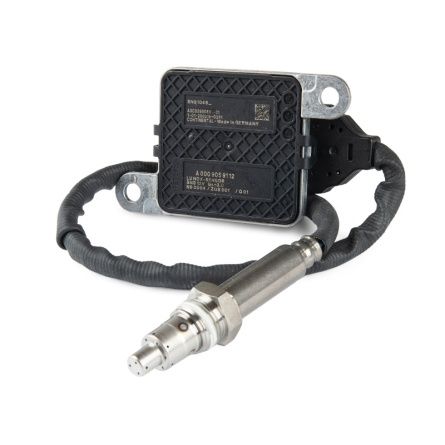
NOx-sensor
MercedesA0009054704£245.69 £204.74 -
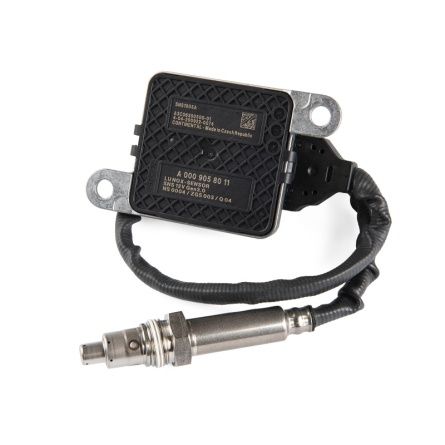
NOx-sensor
MercedesA0009058011£245.69 £204.74 -
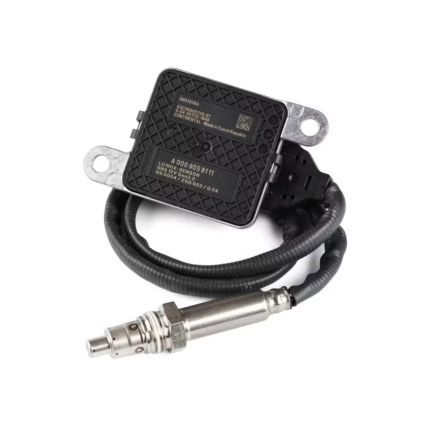
NOx-sensor
MercedesA0009058111£245.69 £204.74 -
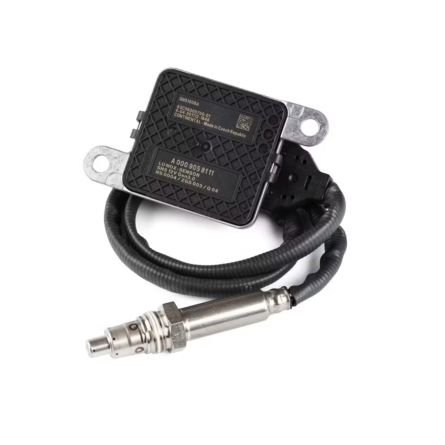
NOx-sensor
MercedesA0009051818£245.69 £204.74 -
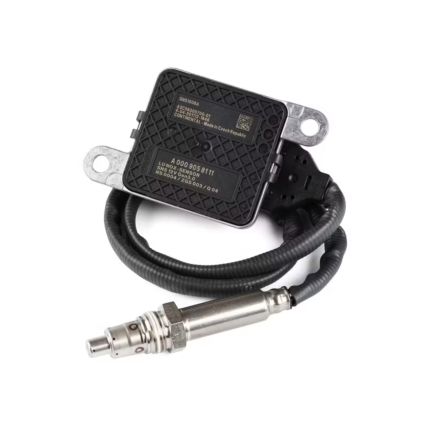
NOx-sensor
MercedesA0009053209£245.69 £204.74 -
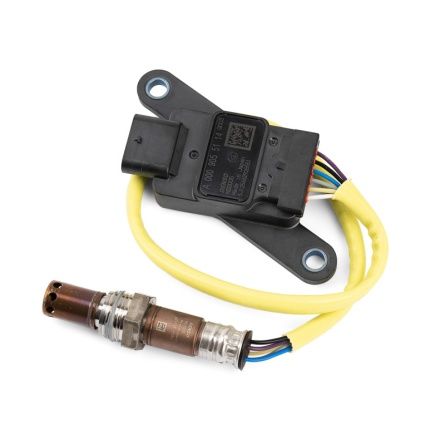
NOx-sensor
MercedesA0009055114£245.69 £204.74 -
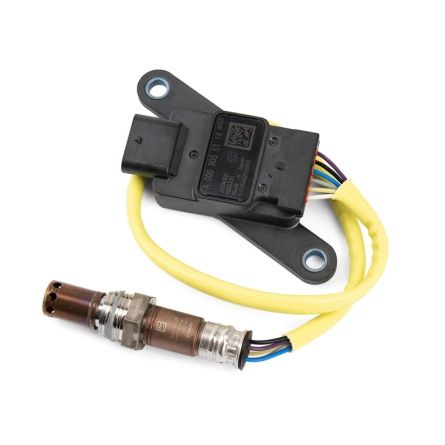
NOx-sensor
MercedesA0009054511£245.69 £204.74 -
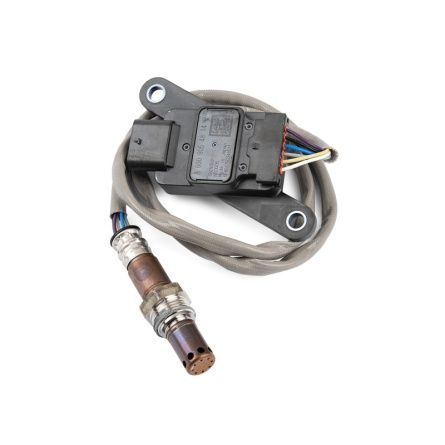
NOx-sensor
MercedesA0009054814£245.69 £204.74 -
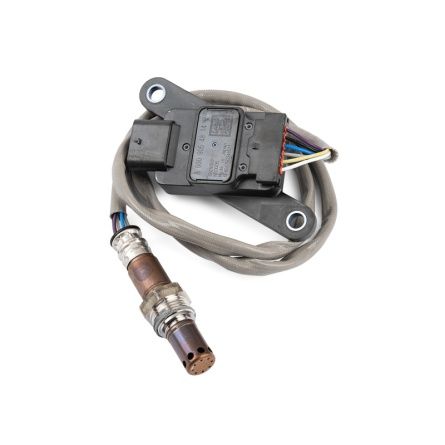
NOx-sensor
MercedesA0009056207£245.69 £204.74 -
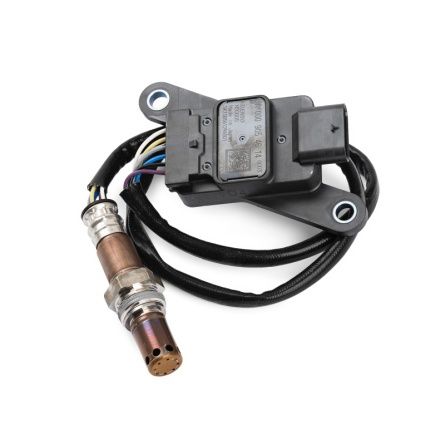
NOx-sensor
MercedesA0009054614£245.69 £204.74 -
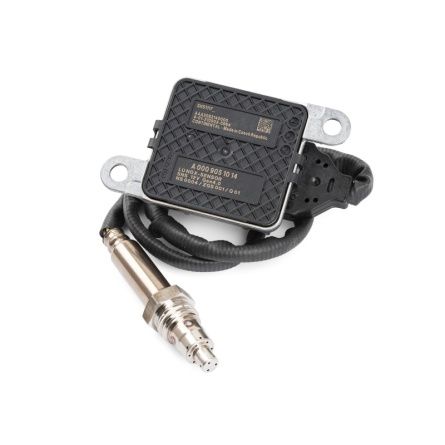
NOx-sensor
MercedesA0009051014£245.69 £204.74
NOx sensors
NOx sensors have become one of the most critical components in modern vehicles, especially as global regulations demand cleaner emissions and higher efficiency. Their primary function is to measure the concentration of nitrogen oxides in the exhaust gases, providing real-time data to the engine control unit. This information allows the vehicle to optimize combustion, ensure effective operation of after-treatment systems, and stay compliant with strict environmental standards. Far more than just electronic measuring devices, NOx sensors are guardians of both performance and sustainability, directly influencing fuel economy, engine reliability, and air quality. Understanding their importance is the first step toward exploring how
Understanding NOx Sensors
For many drivers, the first question is simple: what is a NOx sensor and why is it so essential? These advanced electronic devices are installed in the exhaust system of modern vehicles to measure the levels of nitrogen oxides (NO and NO₂), which are among the most harmful pollutants produced during combustion. By providing real-time data to the Engine Control Unit (ECU), the sensor helps optimize the combustion process and ensures that after-treatment systems, such as Selective Catalytic Reduction (SCR) catalysts, function effectively.
The main purpose of a NOx sensor is twofold: compliance and efficiency. On one hand, it enables vehicles to meet increasingly strict emission standards by keeping nitrogen oxide levels under control. On the other, it contributes to improved fuel efficiency and engine performance by maintaining the correct air–fuel balance. In practical terms, this technology plays a crucial role in reducing the environmental impact of driving. By ensuring that harmful gases are minimized, it directly lowers emissions that contribute to smog, acid rain, and respiratory problems, while also supporting sustainable motoring.
How NOx Sensors Work
To answer more fully what is a NOx sensor, it is important to understand the technology behind it. These components are among the most advanced electronic systems in a vehicle, designed to operate reliably under extreme conditions. At their core is a ceramic element, usually made from zirconia, which can conduct oxygen ions when heated to very high temperatures. Combined with electrodes made from platinum or other noble metals, this structure allows the sensor to regulate and measure gas composition with remarkable precision.
Inside the housing, two chambers work together: one acts as an oxygen pump, stabilizing the internal atmosphere, while the other detects nitrogen oxides. When exhaust gases pass through, these compounds undergo catalytic reactions, splitting into nitrogen and oxygen. The resulting oxygen ions create an electrical signal that reflects the concentration of NOx. This signal is sent to the ECU, which uses it to fine-tune fuel injection, the air–fuel ratio, and the operation of the SCR system. A built-in heater keeps the sensor at its required high temperature to ensure consistent accuracy.
By detecting nitrogen oxides with such precision, the sensor not only helps vehicles comply with standards like Euro 6 or EPA Tier 3 but also ensures smoother, more economical driving.
Signs You Need a NOx Sensor Replacement
A failing sensor rarely goes unnoticed. One of the first indications is the illumination of the check engine light, signaling that the ECU is receiving irregular or no data. Drivers may experience reduced engine power or sluggish acceleration, as the ECU enters a protective mode to limit emissions. Fuel consumption often increases because the system can no longer maintain the correct combustion balance. In diesel vehicles, a malfunctioning unit can also disrupt AdBlue dosing, leading to excessive fluid use, refill warnings, or restricted engine operation.
Other symptoms include unusual exhaust smoke or stronger odors, both caused by untreated nitrogen oxides escaping in higher amounts. In severe cases, the vehicle may enter limp mode, limiting speed and power until the issue is resolved. Ignoring these signs not only increases the risk of costly repairs but also leads to failed emissions tests and potential damage to components like the catalytic converter or SCR system. Prompt NOx sensor replacement is the only way to restore proper engine function, maintain compliance, and protect long-term reliability.
Choosing the Right NOx Sensor for Your Vehicle
When replacement becomes necessary, the question of quality and compatibility takes center stage. A NOx sensor must match the exact specifications of the vehicle’s engine and exhaust system. Using the correct OEM reference ensures full integration with the ECU. High-quality parts are designed to withstand the heat, vibration, and chemical exposure of the exhaust environment, guaranteeing precise and durable performance.
Trusted brands such as Bosch, Continental, Delphi, or Denso provide sensors that meet or exceed original standards. While they may cost more than generic options, they deliver superior reliability, longer service life, and better protection for expensive after-treatment systems. Choosing from these proven manufacturers ensures that a NOx sensor replacement truly restores the vehicle’s intended performance and emission levels.
Warranty and supplier support are also worth considering, as reputable distributors not only guarantee genuine parts but also offer technical guidance. This added confidence is essential given the critical role these sensors play in modern vehicles.
Ultimately, the right choice of NOx sensor is one that combines compatibility, proven brand quality, and long-term durability. By making a careful selection, drivers and fleet operators secure both environmental responsibility and smooth, economical operation.