
Exhaust
-
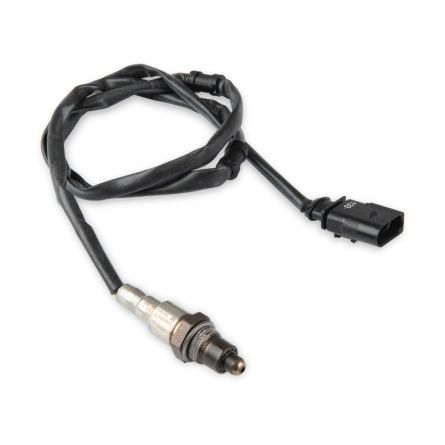
Lambda sensor
Audi04C906262K£73.70 £61.42 -
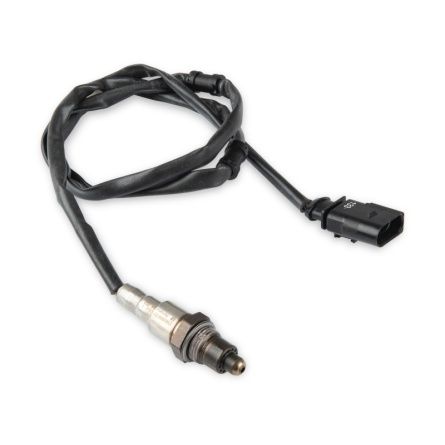
Lambda sensor
Volkswagen4H0906262K£73.70 £61.42 -
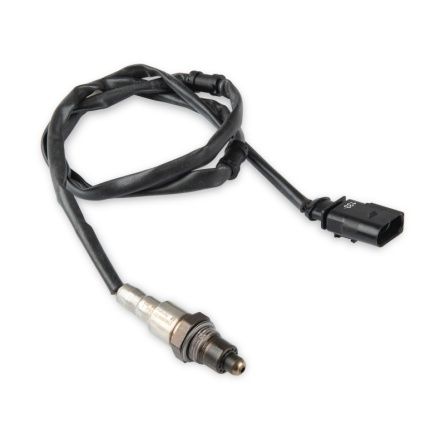
Lambda sensor
Volkswagen07P906265G£73.70 £61.42 -
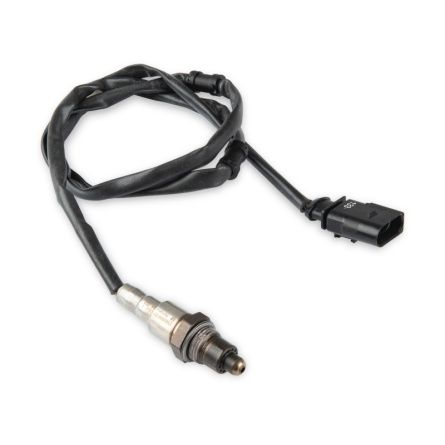
Lambda sensor
Volkswagen07K906262B£73.70 £61.42 -
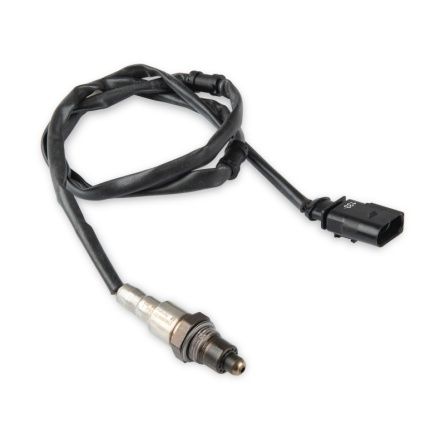
Lambda sensor
Volkswagen06K906262F£73.70 £61.42 -

Lambda sensor
Volkswagen06K906262AE£73.70 £61.42 -
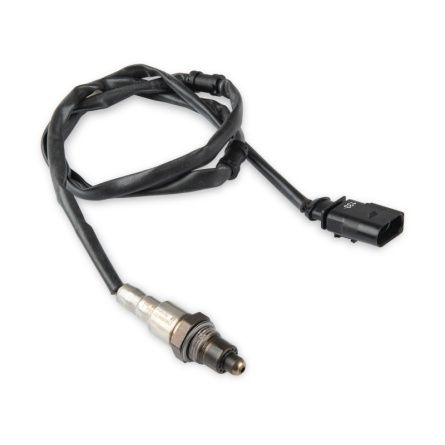
Lambda sensor
Volkswagen04E906262BE£73.70 £61.42 -

Lambda sensor
Volkswagen04E906262CC£73.70 £61.42 -
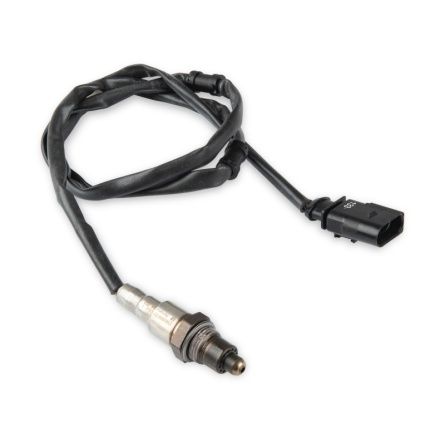
Lambda sensor
Volkswagen04E906262EQ£73.70 £61.42 -
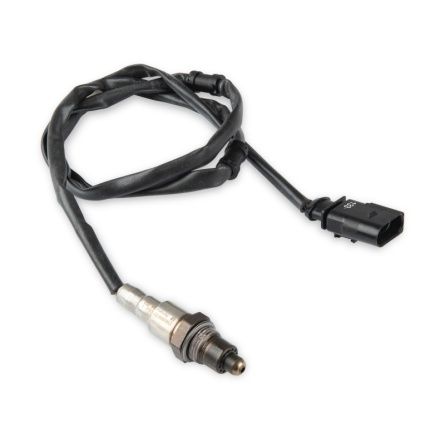
Lambda sensor
Volkswagen04E906262DA£73.70 £61.42 -
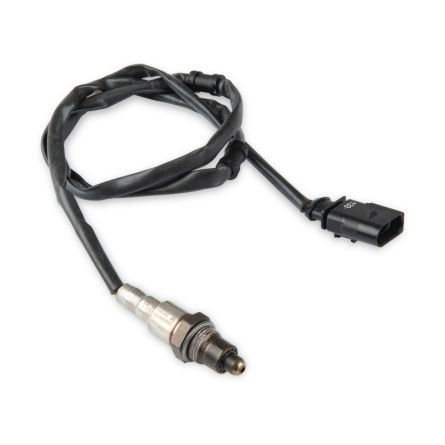
Lambda sensor
PorschePAB906262B£73.70 £61.42 -
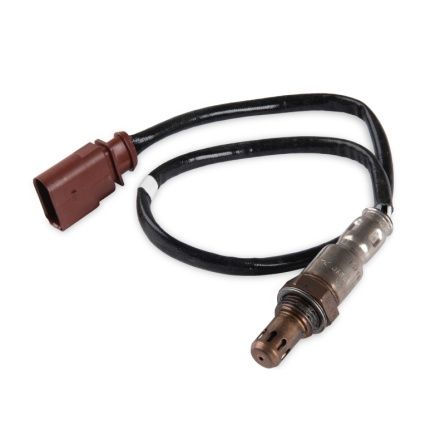
Lambda sensor
Volkswagen4H0906265D£98.27 £81.89 -
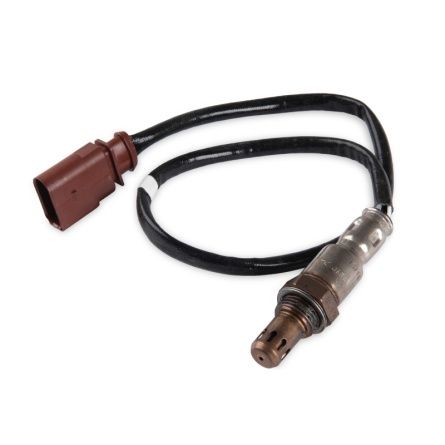
Lambda sensor
Volkswagen06E906265AB£98.27 £81.89 -
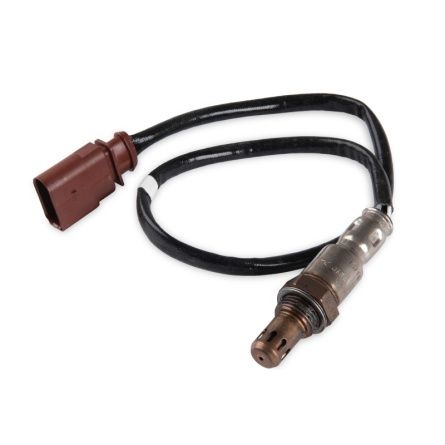
Lambda sensor
Volkswagen04E906262BB£98.27 £81.89 -
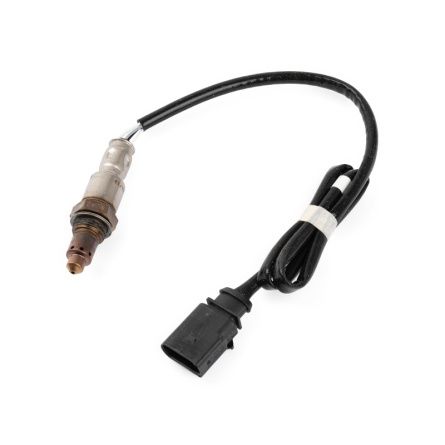
Lambda sensor
Volkswagen05L906262F£81.89 £68.24 -
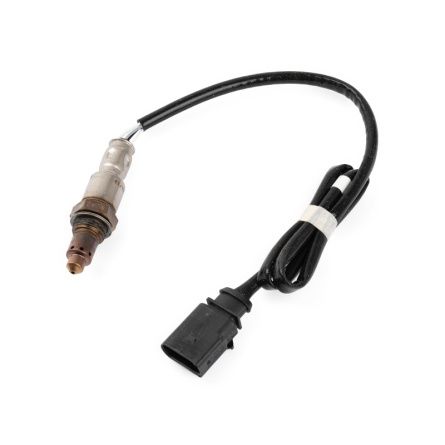
Lambda sensor
Volkswagen05C906262C£81.89 £68.24 -
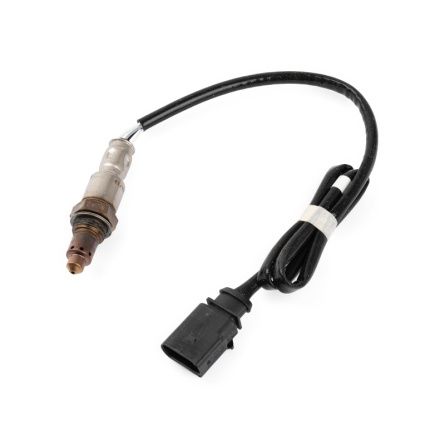
Lambda sensor
Volkswagen05E906262G£81.89 £68.24 -
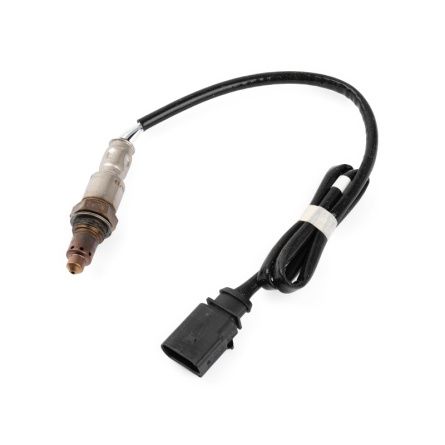
Lambda sensor
Volkswagen05E906262N£81.89 £68.24 -
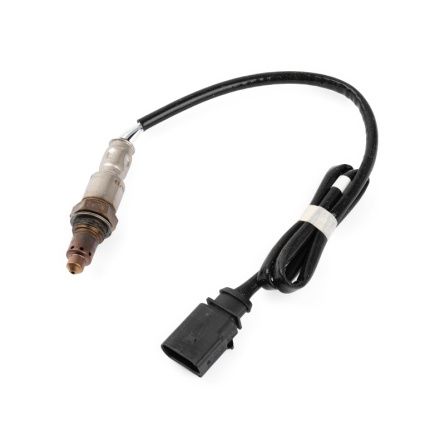
Lambda sensor
Volkswagen05L906262G£81.89 £68.24 -
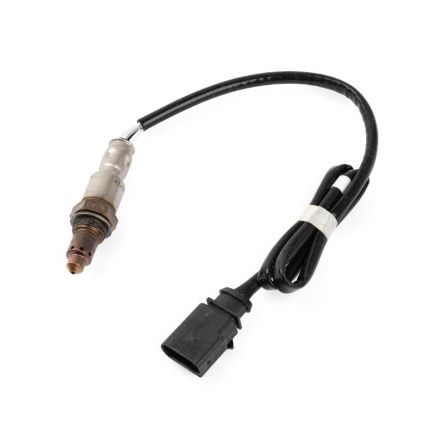
Lambda sensor
Volkswagen04L906262AH£81.89 £68.24 -
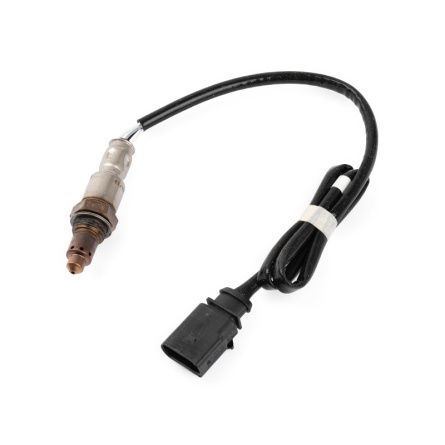
Lambda sensor
Audi4K0906265£81.89 £68.24 -
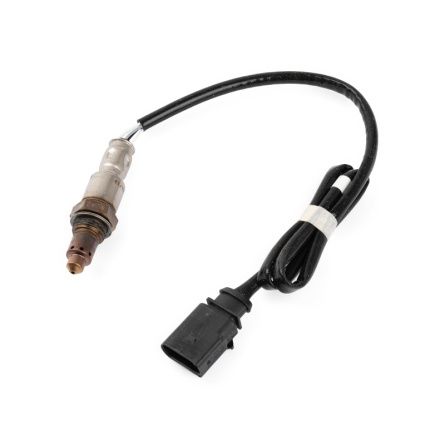
Lambda sensor
Audi8W0906265E£81.89 £68.24 -
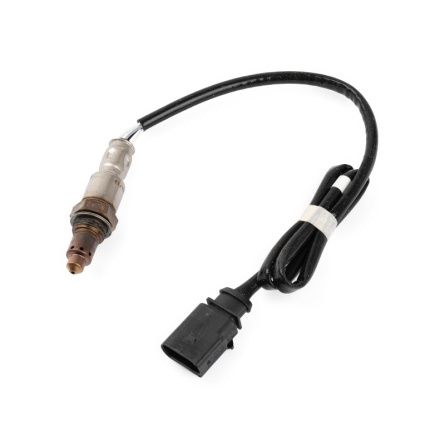
Lambda sensor
Audi8W0906265AE£81.89 £68.24 -
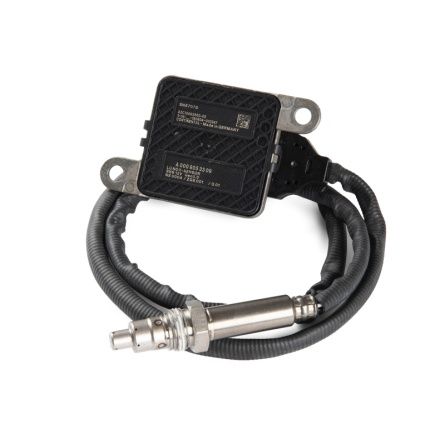
NOx sensor
MercedesA0009053019£286.64 £238.87 -
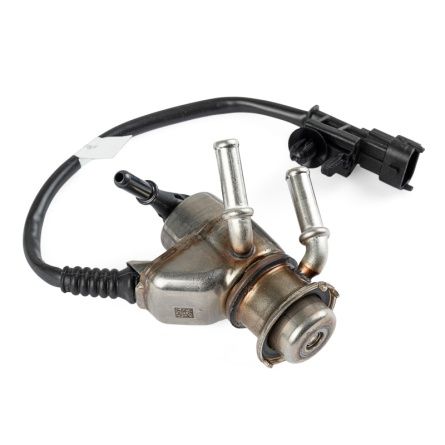
AdBlue injector
Land RoverRY42-189E3-AB£286.64 £238.87 -
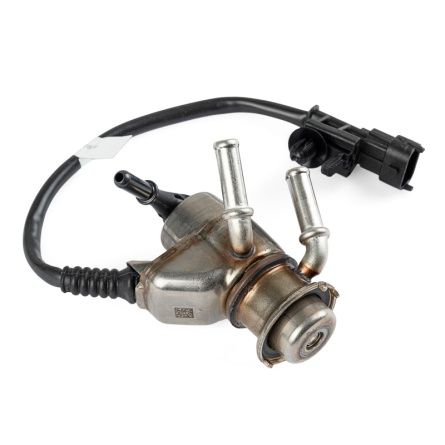
AdBlue injector
Land Rover109123485£286.64 £238.87 -
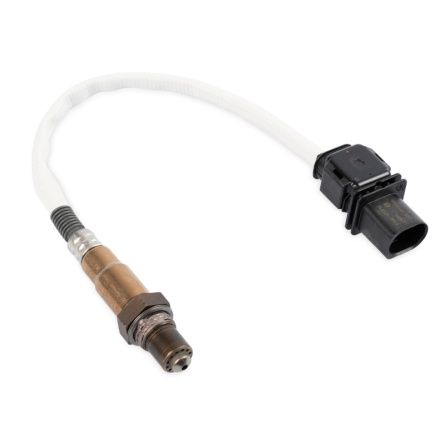
Lambda sensor
Honda36531-RPY-G00£98.27 £81.89 -
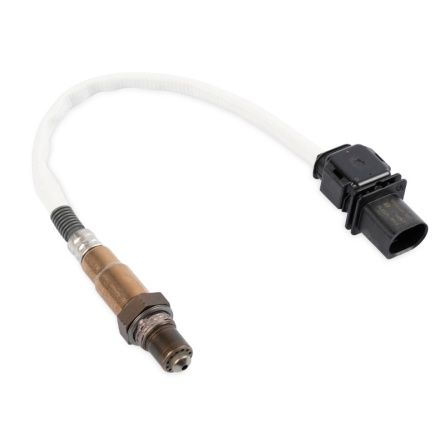
Lambda sensor
Honda36531-RPY-G01£98.27 £81.89 -
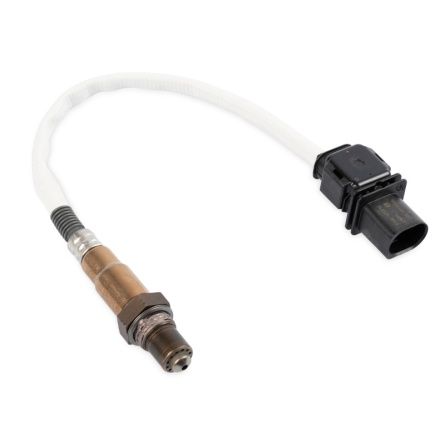
Lambda sensor
Honda36531-RPY-G02£98.27 £81.89 -
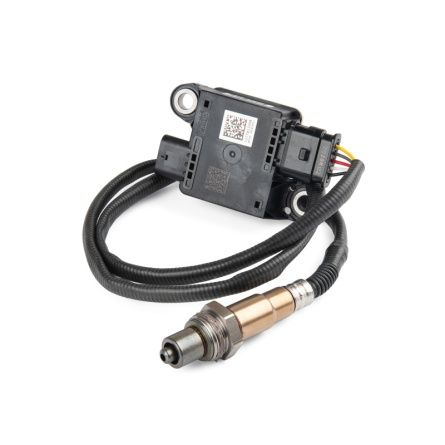
Particle sensor PM
BMW13628490744£286.64 £238.87 -
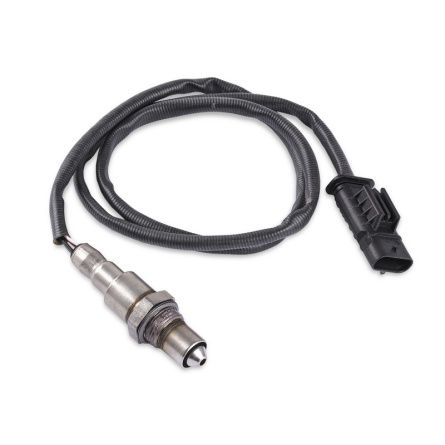
Lambda sensor, behind catalyst
BMW13627101680£81.89 £68.24 -

Lambda sensor
Volkswagen04E906262JK£81.89 £68.24 -
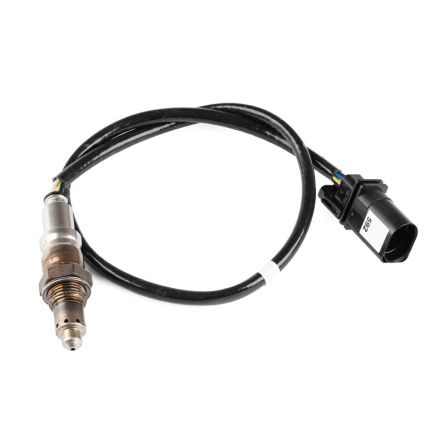
Lambda sensor
Volkswagen06K906262CJ£81.89 £68.24 -
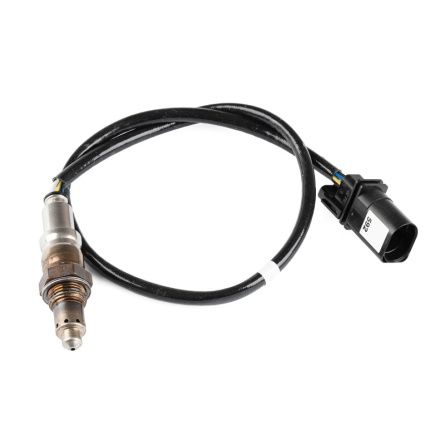
Lambda sensor
Volkswagen04E906262KB£81.89 £68.24 -

Lambda sensor
Volkswagen07K906262G£81.89 £68.24 -
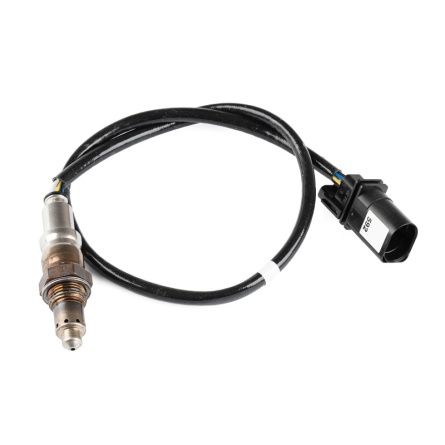
Lambda sensor
Volkswagen04E906262GB£81.89 £68.24
Exhaust
The exhaust system is far more than a pipe channeling gases away from the vehicle. It is a carefully engineered network that plays a decisive role in both engine performance and emission reduction. A properly functioning exhaust ensures efficient gas flow, which directly affects torque, power delivery, and fuel economy. At the same time, it serves as the first barrier against pollution, helping vehicles comply with increasingly strict environmental regulations.
Modern exhaust systems go well beyond mufflers and catalytic converters. They incorporate advanced components and exhaust system sensors that constantly monitor gas composition, temperature, and pressure. Devices such as oxygen sensors, the exhaust gas temperature sensor, and differential pressure sensors deliver real-time data to the engine control unit (ECU). This continuous feedback allows precise adjustments to combustion, ensuring smoother driving, lower emissions, and optimal efficiency.
Understanding Exhaust System Components
An exhaust system is made up of several crucial elements, each influencing the vehicle’s operation and environmental impact. Among the most important are the exhaust manifolds, catalytic converters, and mufflers, which together create a balanced flow of gases and noise control.
The exhaust manifold collects gases directly from the cylinders and merges them into one channel. This ensures smooth transport of combustion by-products while maintaining correct back pressure, essential for preserving engine efficiency.
The catalytic converter is the centerpiece of emission control. Its honeycomb structure coated with precious metals transforms harmful gases such as carbon monoxide, hydrocarbons, and nitrogen oxides into less dangerous compounds like carbon dioxide, nitrogen, and water vapor. Without this component, vehicles would not meet current emission laws.
The muffler reduces sound levels generated by escaping gases. Using chambers, baffles, and insulation materials, it lowers noise without restricting gas flow, providing quiet operation without compromising performance.
Together, these elements deliver a system that minimizes emissions, reduces sound pollution, and enhances the driver’s overall comfort.
The Role of Exhaust System Sensors
Modern exhaust systems act as intelligent networks. Exhaust system sensors send precise signals to the ECU, enabling constant optimization of combustion and engine protection.
The oxygen sensor (lambda sensor) measures oxygen levels in gases, helping the ECU balance the air-fuel ratio. If the mixture is too rich or too lean, the system corrects it instantly to preserve fuel economy and safeguard the catalytic converter.
The exhaust gas temperature sensor monitors heat levels within the exhaust stream. By preventing overheating, it protects sensitive parts such as turbochargers, catalytic converters, and diesel particulate filters (DPFs).
The differential pressure sensor measures pressure before and after the DPF, detecting soot accumulation. This triggers regeneration cycles, keeping the filter clear and maintaining exhaust efficiency.
Together, these sensors transform the exhaust system into a dynamic, feedback-driven unit that balances performance with environmental responsibility.
Exhaust Gas Temperature Sensor: Function and Importance
The exhaust gas temperature sensor plays a double role: safeguarding the engine and supporting efficiency. Installed in the manifold, turbocharger, or near the catalytic converter, it records gas temperatures that often exceed extreme thresholds.
By tracking these values, the sensor helps prevent overheating, which could otherwise lead to turbocharger failure, catalytic converter melting, or DPF damage. Beyond protection, it assists the ECU in regulating fuel injection and ignition timing, ensuring that combustion occurs at the right temperature. In diesel engines, it plays a key part in DPF regeneration, confirming that heat levels are sufficient for the process to take place effectively.
In essence, the sensor extends the life of major exhaust components, enhances engine performance, and guarantees compliance with emission standards.
Maintenance and Troubleshooting Exhaust Systems
Since the exhaust system operates under harsh conditions – high heat, pressure fluctuations, and exposure to corrosive gases – regular inspection is essential. Preventive care helps maintain efficiency, safety, and regulatory compliance.
Maintenance practices include checking pipes, mufflers, and catalytic converters for cracks or rust, especially in regions with road salt. Routine sensor inspections are equally important, as faulty readings can increase fuel use and emissions. Cleaning or replacing clogged DPFs keeps the system running smoothly.
Typical problems involve faulty oxygen sensors causing incorrect fuel mixtures, failed exhaust gas temperature sensors leading to overheating, or blocked differential pressure sensors disabling DPF regeneration. Damaged pipes or mufflers can cause leaks, excessive noise, and power loss.
Troubleshooting usually starts with ECU error code scans, which often reveal failing sensors. Visual inspections identify physical damage, while resistance tests confirm sensor functionality. Monitoring pressure readings across the DPF helps detect clogging and prevent costly repairs.
By combining consistent maintenance with timely diagnostics, drivers extend the service life of exhaust components, maintain fuel efficiency, and ensure vehicles remain compliant with strict emission standards.