
Fuel delivery
-
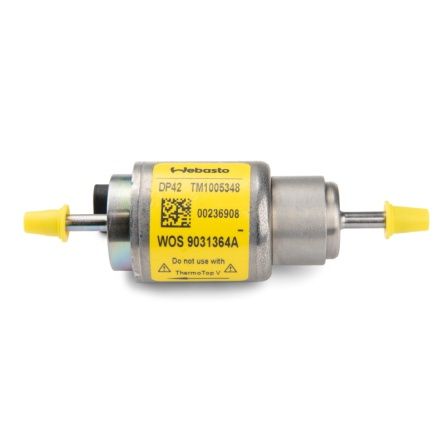
Fuel Pump
PSA6462AF£122.84 £102.37 -
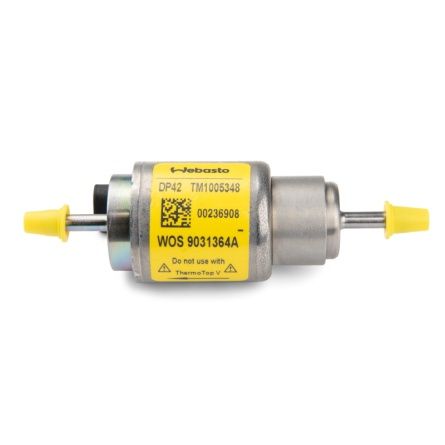
Fuel Pump
Volvo32130833£122.84 £102.37 -
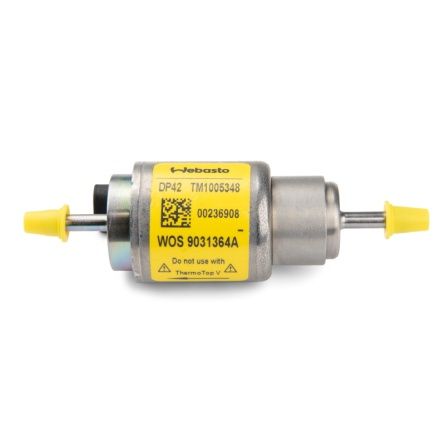
Fuel Pump
Volkswagen3Q0201607£122.84 £102.37 -
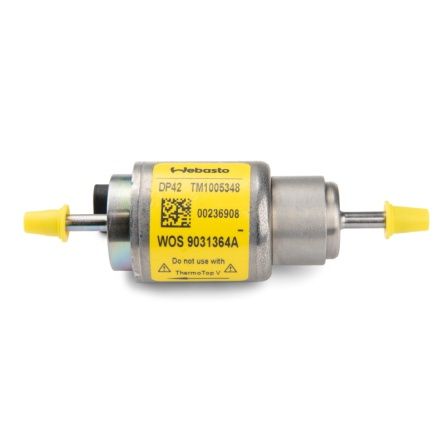
Fuel Pump
Volkswagen3Q0201607B£122.84 £102.37 -
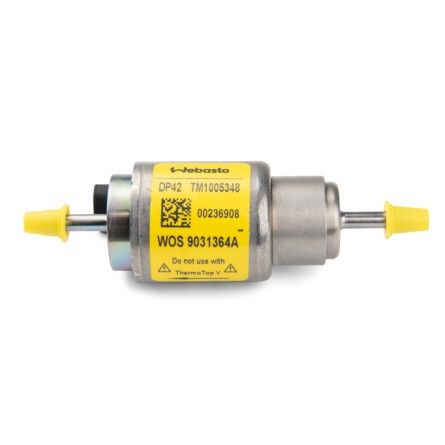
Fuel Pump
Volkswagen3Q0201607D£122.84 £102.37 -
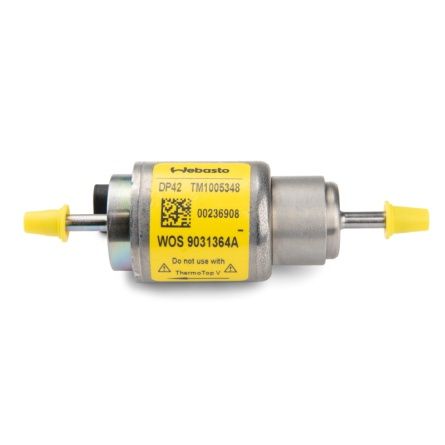
Fuel Pump
Volkswagen3Q0201607A£122.84 £102.37 -
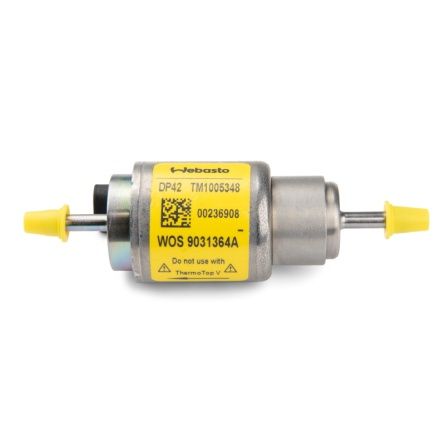
Fuel Pump
Volkswagen3AA201607F£122.84 £102.37 -
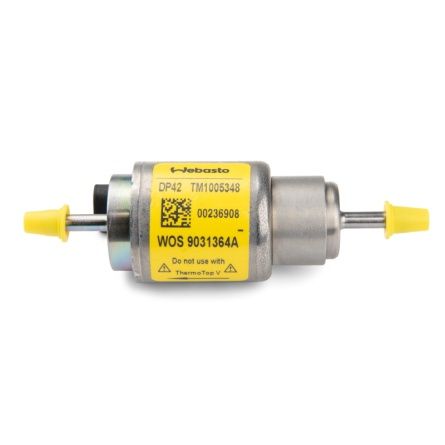
Fuel Pump
Volkswagen3AA201607E£122.84 £102.37 -
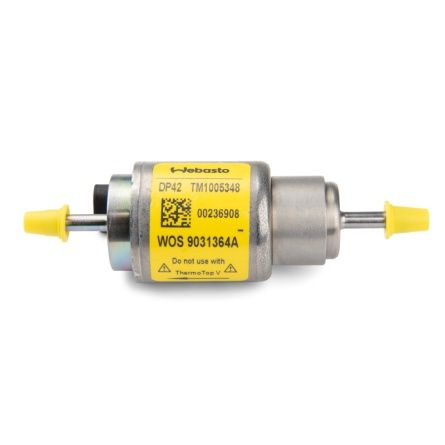
Fuel Pump
Volkswagen1K0201607AD£122.84 £102.37 -
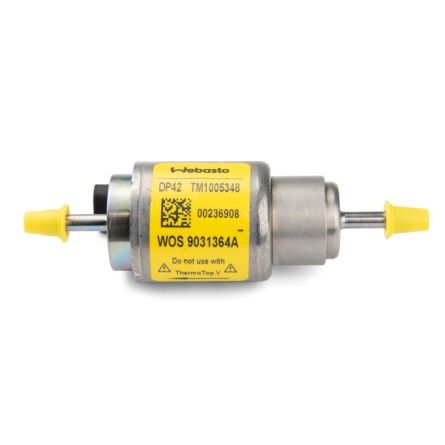
Fuel Pump
Volkswagen1K0201607AF£122.84 £102.37 -
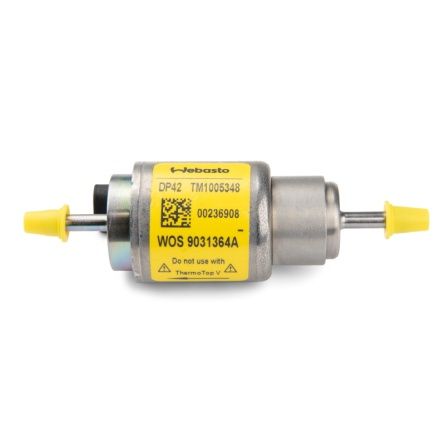
Fuel Pump
Volkswagen5Q0201607A£122.84 £102.37 -
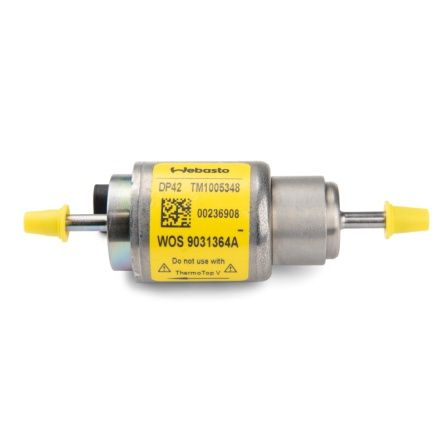
Fuel Pump
Volkswagen5Q0201607K£122.84 £102.37 -
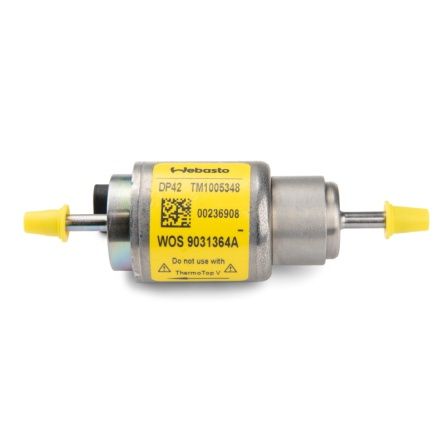
Fuel Pump
Volkswagen5Q0201607J£122.84 £102.37 -
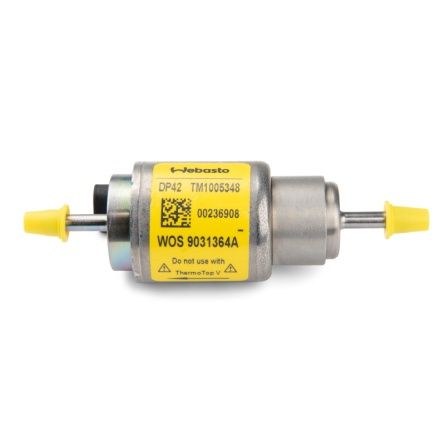
Fuel Pump
Volkswagen5Q0201607F£122.84 £102.37 -
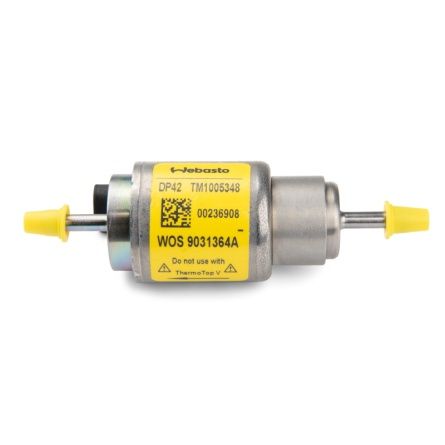
Fuel Pump
Volkswagen5Q0201607E£122.84 £102.37 -
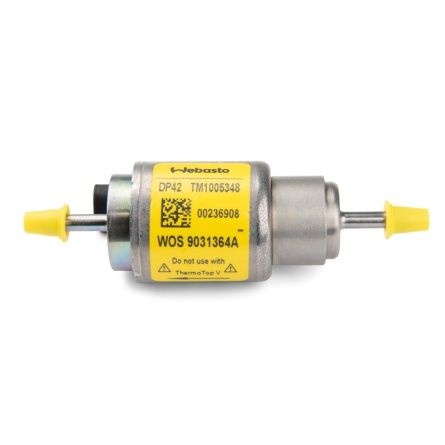
Fuel Pump
Volkswagen5Q0201607L£122.84 £102.37 -
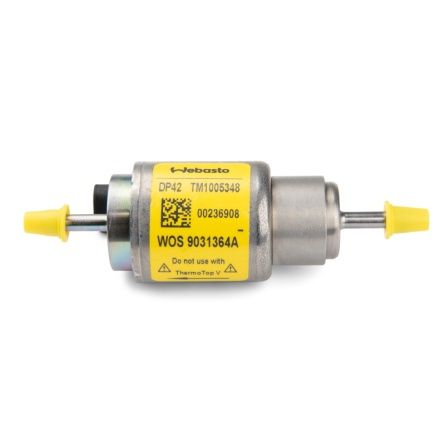
Fuel Pump
Volkswagen5Q0201607AC£122.84 £102.37 -
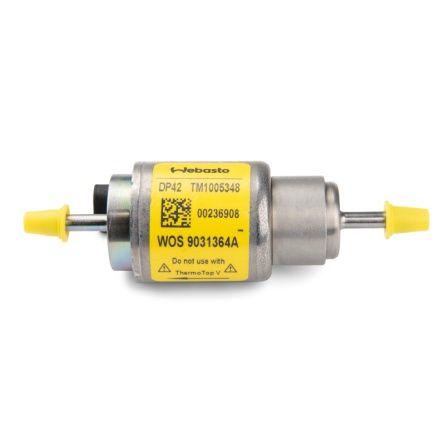
Fuel Pump
Volkswagen5Q0201607AB£122.84 £102.37 -
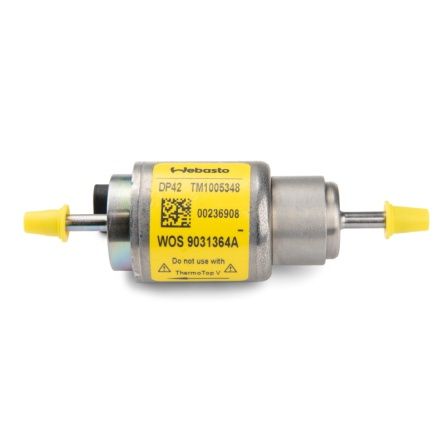
Fuel Pump
Volkswagen5Q0201607AD£122.84 £102.37 -
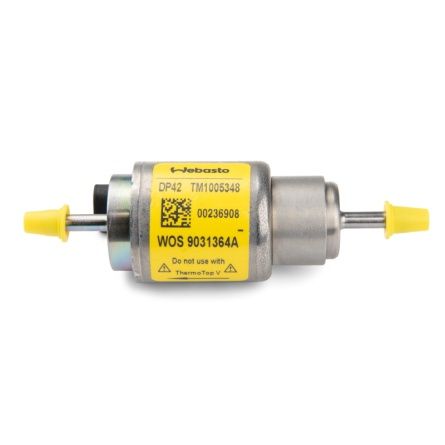
Fuel Pump
Volkswagen5Q0201607M£122.84 £102.37 -
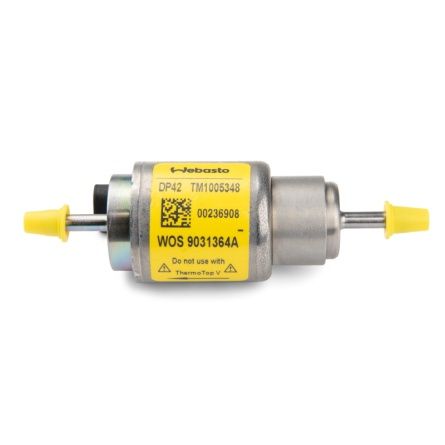
Fuel Pump
Volkswagen5Q0201607D£122.84 £102.37 -
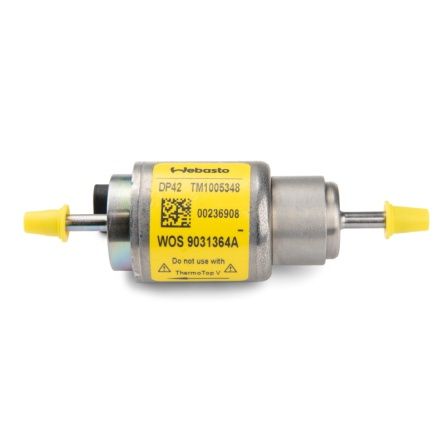
Fuel Pump
Volkswagen5N0201607C£122.84 £102.37 -
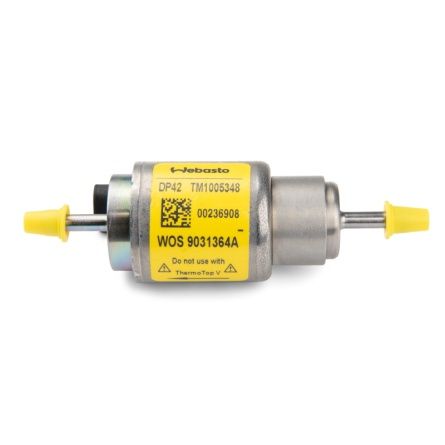
Fuel Pump
Volkswagen5QF201607F£122.84 £102.37 -
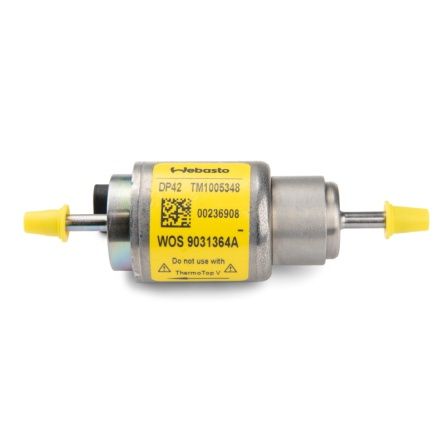
Fuel Pump
Volkswagen5QF201607£122.84 £102.37 -
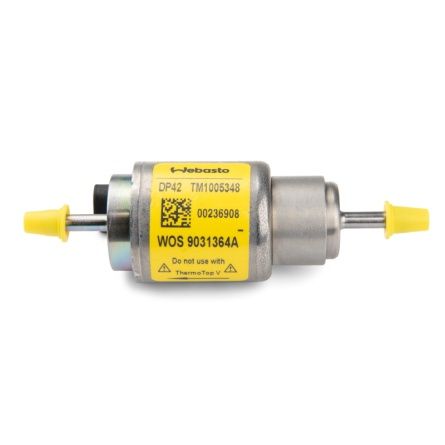
Fuel Pump
Volkswagen5Q0201607£122.84 £102.37 -
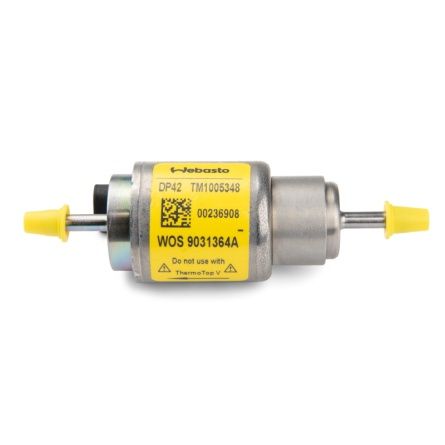
Fuel Pump
Volkswagen7N0963303£122.84 £102.37 -
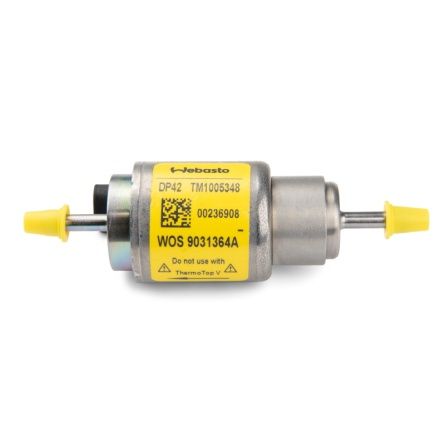
Fuel Pump
Volkswagen7N0201607E£122.84 £102.37 -
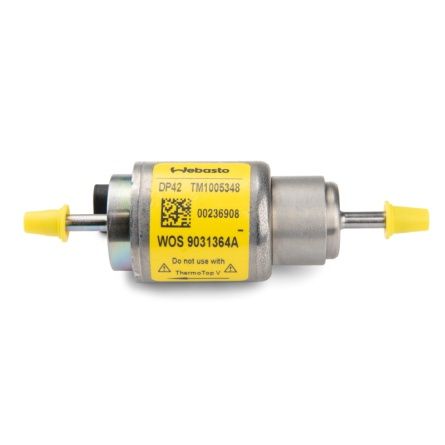
Fuel Pump
WebastoWOS 9031365A£122.84 £102.37 -
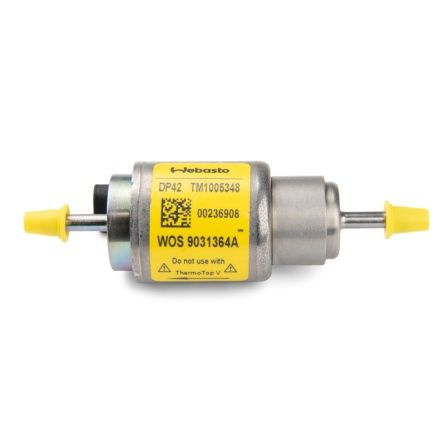
Fuel Pump
WebastoWOS 9019847B£122.84 £102.37 -
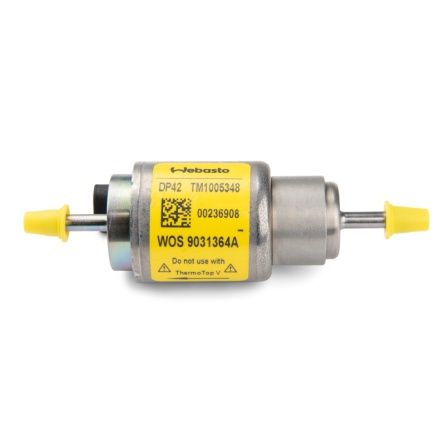
Fuel Pump
WebastoWOS 9019847C£122.84 £102.37 -
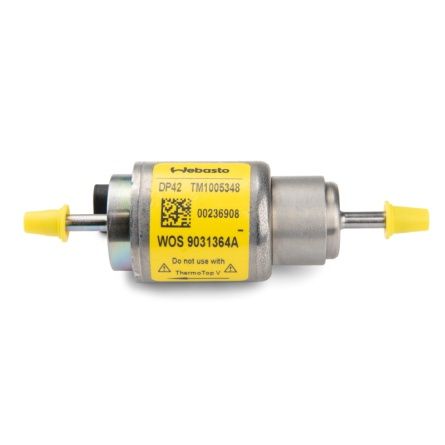
Fuel Pump
WebastoWOS 9031364A£122.84 £102.37 -
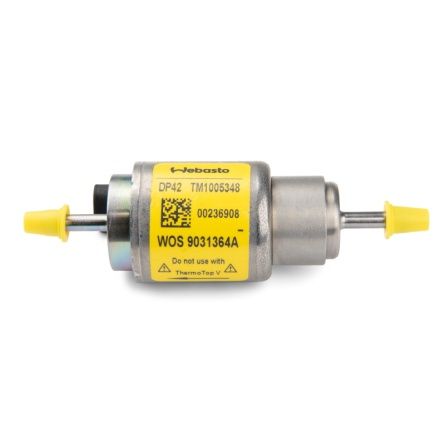
Fuel Pump
MercedesA0014705394£122.84 £102.37 -
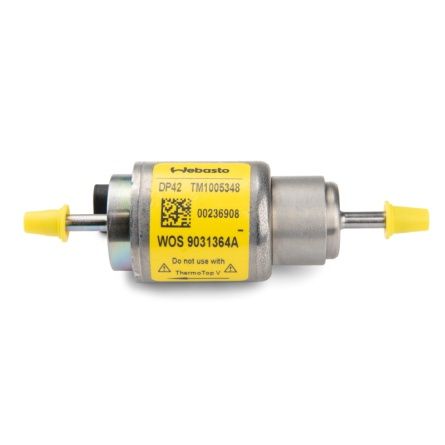
Webasto fuel pump
Volvo32275886£122.84 £102.37 -
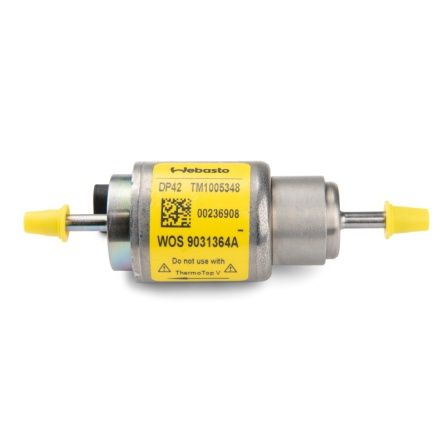
Webasto fuel pump
Volvo32275887£122.84 £102.37
Fuel Delivery
An efficient fuel delivery system is the foundation of every combustion engine, whether in passenger cars, heavy machinery, or industrial equipment. It is the precise transport of fuel to the combustion chamber that determines not only performance, but also fuel economy, emission levels, and the longevity of the power unit. In an era of increasing demands for energy efficiency and sustainability, fuel delivery systems have become a key area of innovation. Their role is to ensure that every drop of fuel is used in the most optimal way – in the right amount, at the correct pressure, and at the right moment. Thanks to this, vehicles and machines can operate smoothly, reliably, and in compliance with strict environmental standards. Without a properly functioning fuel delivery system, even the most advanced engine design cannot reach its full potential.
Understanding Fuel System Components
Every modern combustion engine requires a precisely functioning network of fuel system components to achieve its maximum potential. This system consists of several key parts that must cooperate seamlessly to provide smooth and uninterrupted fuel delivery. The fuel tank acts as the storage reservoir, holding the energy source until it is needed. Fuel pumps then transport it toward the engine, with older vehicles often using mechanical pumps and newer ones equipped with advanced electric designs that guarantee constant pressure. Along the way, fuel filters remove dirt, rust, and impurities that could cause serious harm to sensitive parts of the system. The fuel lines act as secure channels, carrying the liquid under the correct pressure, while the injectors precisely deliver measured doses directly into the combustion chamber or intake manifold. Pressure regulators make sure the system remains balanced, avoiding shortages or surpluses. At the top of the hierarchy, the Electronic Control Unit (ECU) supervises all fuel system components by gathering data from sensors and making real-time adjustments for injection timing and fuel quantity. Even the smallest fault in this chain can disrupt the entire operation of the engine, which is why compatibility, quality, and regular servicing are absolutely essential.
Key Diesel Fuel System Components
While gasoline engines rely on simpler mechanisms, the complexity and precision of diesel fuel system components stand out as far more demanding. Diesel engines operate at extremely high pressures, often exceeding 2000 bar, and require ultra-fine dosing of fuel to guarantee efficient combustion and compliance with emission standards. At the heart of this process are high-pressure pumps, compressing fuel to the levels needed for common rail systems. The common rail itself acts as a pressure reservoir, ensuring that injectors receive a stable and consistent supply. Diesel injectors then spray the fuel into the combustion chamber in the form of a fine mist, their accuracy directly influencing performance, noise levels, and the release of harmful particles. Advanced filters protect these delicate mechanisms from microscopic impurities and water contamination, while lift pumps secure a steady flow from the tank to the main pump. Sensors monitoring pressure and temperature constantly feed data to the ECU, which adjusts injection timing and volume to match load and road conditions. The reliability of diesel fuel system components is therefore crucial. Even the smallest leak, contamination, or mechanical weakness can result in costly breakdowns, which is why high-quality replacements and preventive maintenance are indispensable.
Maintenance and Troubleshooting Tips
The fuel system, whether in a gasoline or diesel engine, operates under continuous stress and requires regular care to function effectively. One of the most important tasks is the timely replacement of filters, as a blocked element restricts flow and causes rough operation, poor acceleration, or even injector damage. Equally vital is the quality of the fuel itself, since contaminated or water-filled fuel quickly compromises pumps and injectors. Drivers should also be alert to signs of weakening fuel pumps, such as harder starting, noticeable power loss, or louder than normal operation, as these indicate potential failure. Injectors, too, require attention; when clogged or worn, they produce uneven combustion, increased emissions, and higher fuel consumption. The diagnostic capacity of the ECU plays an important role here, as it can quickly identify irregularities when the check engine light appears. Finally, when air enters the system during leaks or component replacement, bleeding is necessary to restore smooth operation. Regular attention to these details ensures longer life, better efficiency, and safer use of any engine.
Choosing the Right Components for Your Needs
Selecting the right parts for a fuel delivery system is a decision that should never be taken lightly. Compatibility with the manufacturer’s specifications is essential, and confirming parts through OE numbers or the vehicle’s VIN ensures smooth integration with the engine. Quality is equally important, since systems that operate under such high pressure cannot tolerate poorly made substitutes. Vehicles used in heavy-duty conditions require stronger and more durable parts than those driven only in urban traffic, and local emission standards should guide the choice of modern injectors and high-pressure pumps that minimize environmental impact. While the temptation to choose cheaper components is always present, the long-term costs of repeated failures and repairs make higher-quality solutions the smarter investment. Advice from mechanics, professional reviews, and user experiences can also help in making informed choices. By carefully selecting components, drivers and operators gain confidence that their engines will run efficiently, cleanly, and safely, extending the life of their vehicles and reducing overall operating costs.