
Parking sensors
-
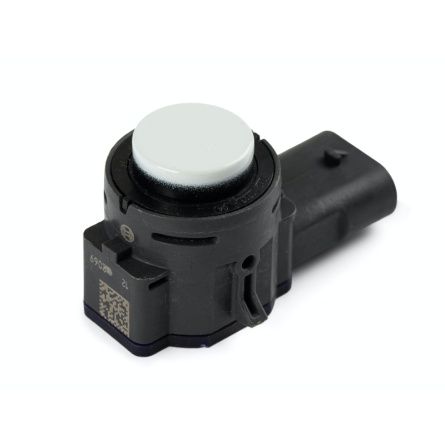
Parking Sensor
Volvo40001188£32.75 £27.29 -
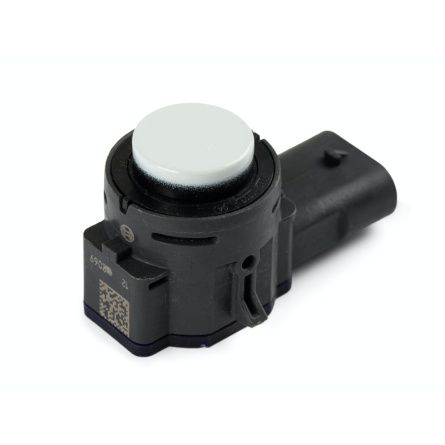
Parking Sensor
Volvo40002824£32.75 £27.29 -
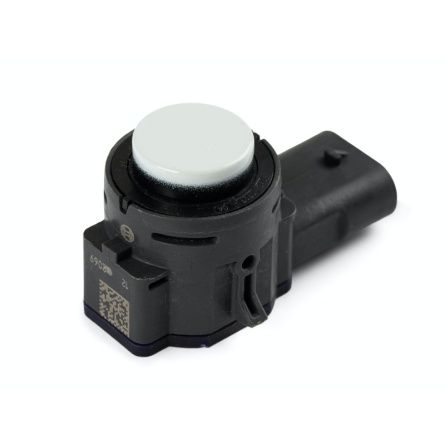
Parking Sensor
Volvo40002827£32.75 £27.29 -
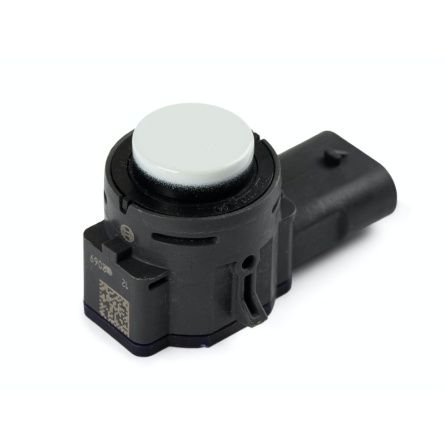
Parking Sensor
Volvo40002828£32.75 £27.29 -
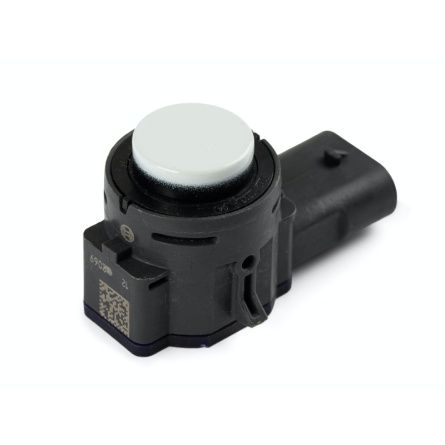
Parking Sensor
Volvo40002830£32.75 £27.29 -
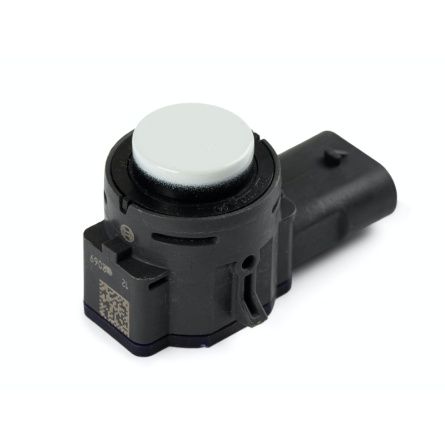
Parking Sensor
Volvo40002833£32.75 £27.29 -
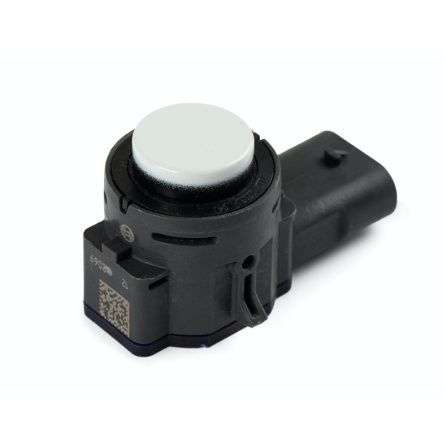
Parking Sensor
Volvo40002835£32.75 £27.29 -
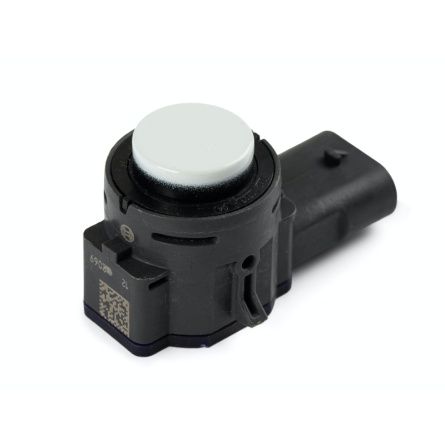
Parking Sensor
Volvo40002836£32.75 £27.29 -
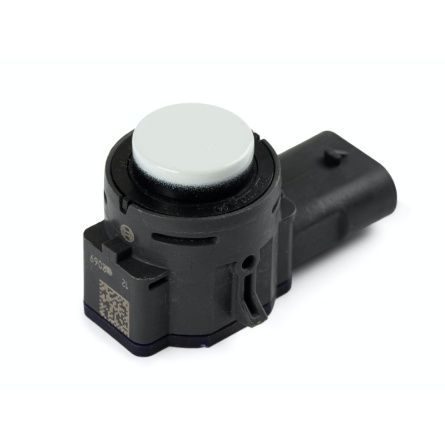
Parking Sensor
Volvo40002837£32.75 £27.29 -
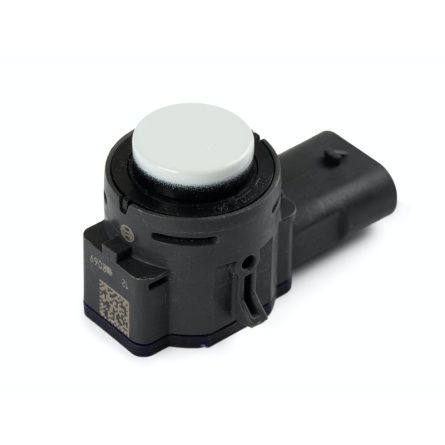
Parking Sensor
Volvo40002838£32.75 £27.29 -
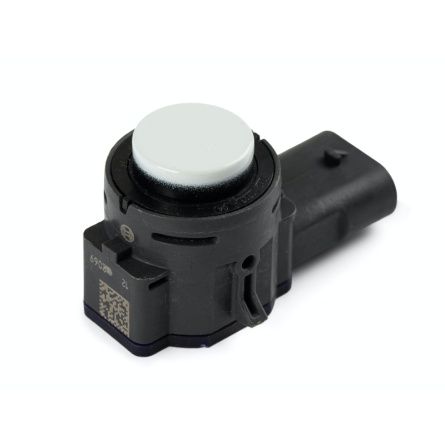
Parking Sensor
Volvo40009033£32.75 £27.29 -
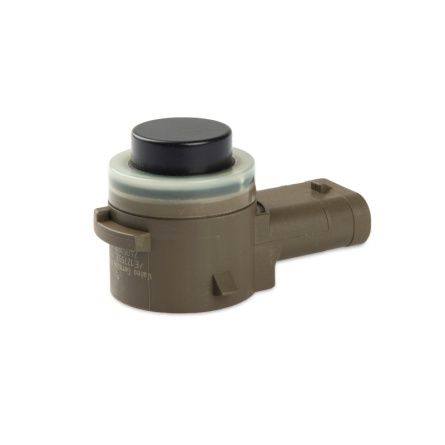
Parking Sensor
Volkswagen2HJ919275A£49.13 £40.94 -
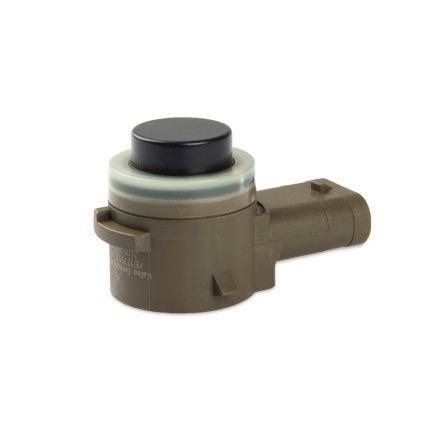
Parking Sensor
Tesla1127503-12-C£49.13 £40.94 -
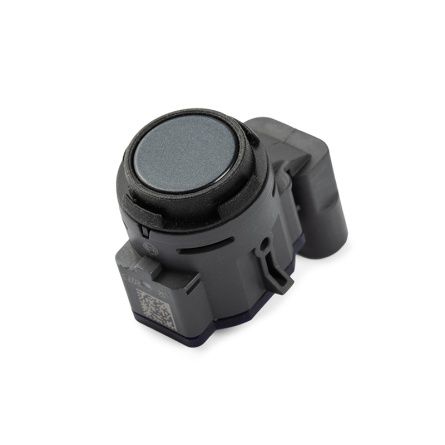
Parking Sensor
Volkswagen1EA919275A£32.75 £27.29 -
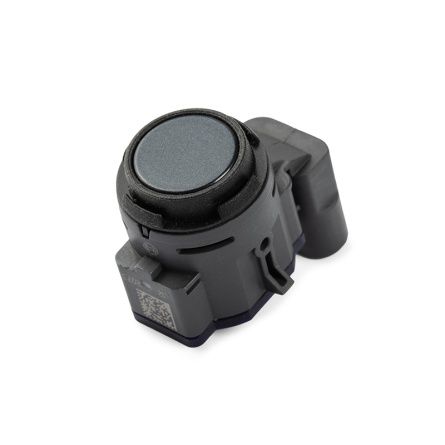
Parking Sensor
Volkswagen1EA919275C£32.75 £27.29 -
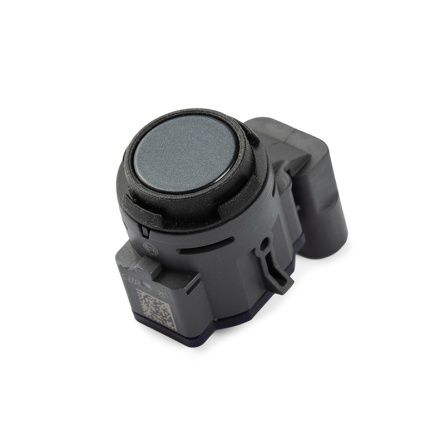
Parking Sensor
Volvo31680784£32.75 £27.29 -
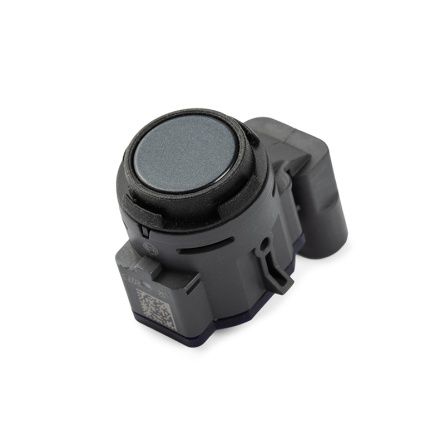
Parking Sensor
Volvo39794997£32.75 £27.29 -
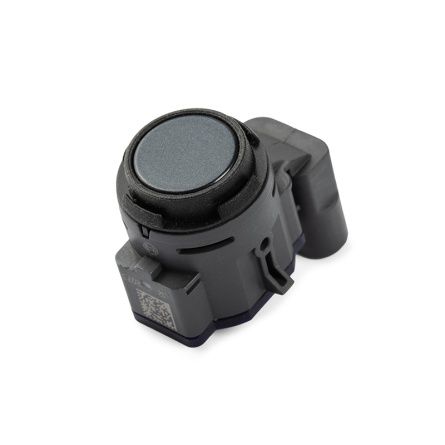
Parking Sensor
Volvo39796420£32.75 £27.29 -
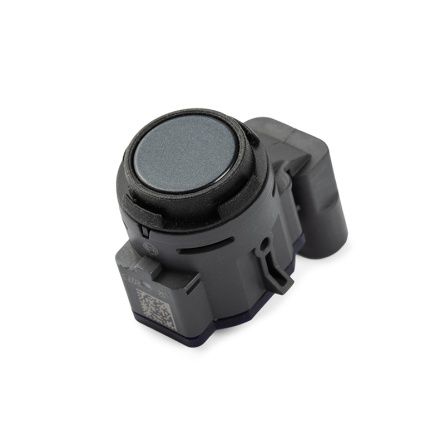
Parking Sensor
Volvo32271066£32.75 £27.29 -
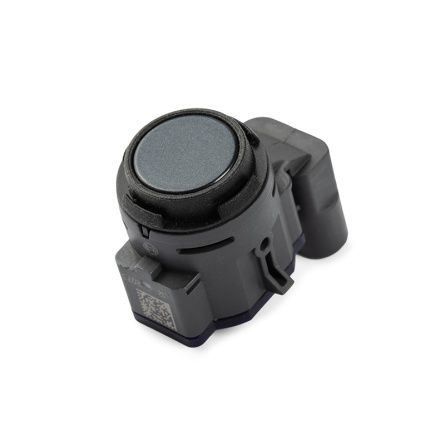
Parking Sensor
Mazda0263053449£32.75 £27.29 -
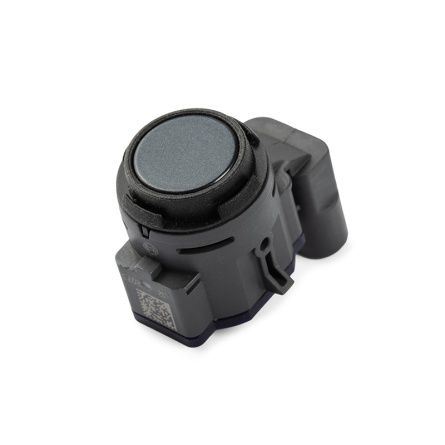
Parking Sensor
Honda39680TZAN011M1£32.75 £27.29 -
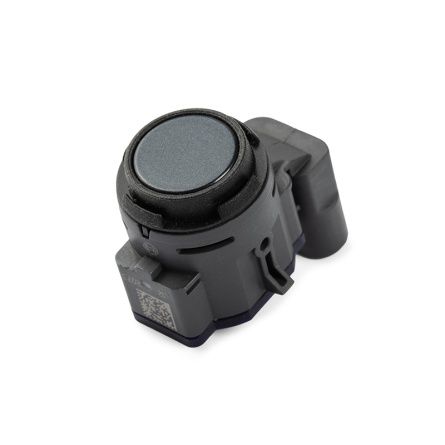
Parking Sensor
Volvo32271067£32.75 £27.29 -
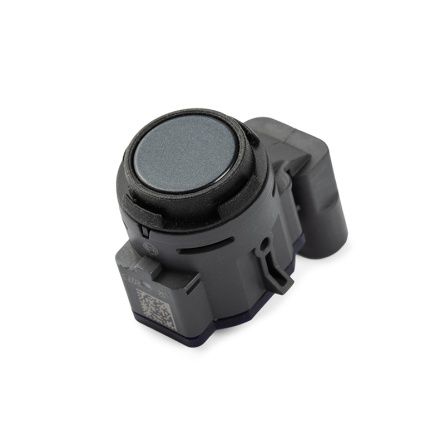
Parking Sensor
General Motors87821666£32.75 £27.29 -
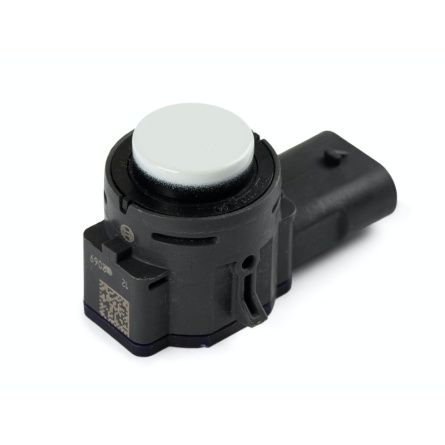
Parking Sensor
General Motors84360402£32.75 £27.29 -
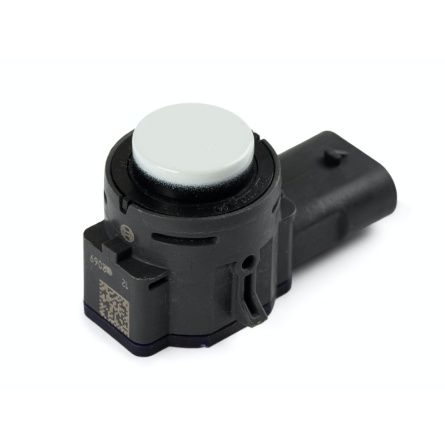
Parking Sensor
General Motors84389581£32.75 £27.29 -
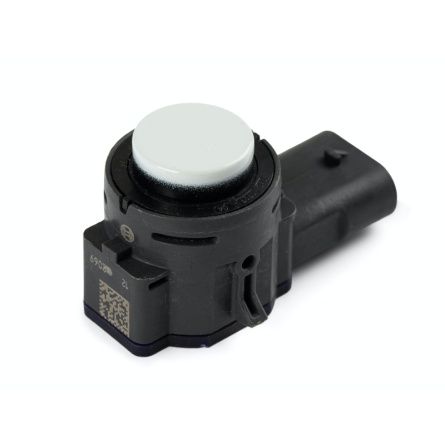
Parking Sensor
General Motors84530574£32.75 £27.29 -
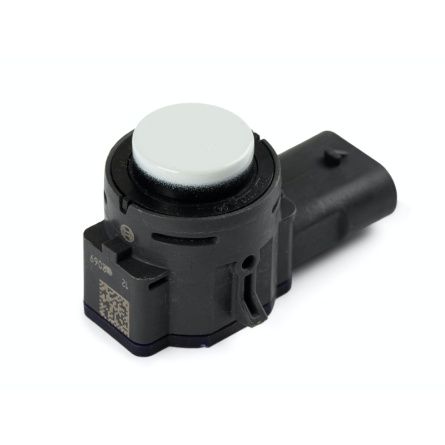
Parking Sensor
General Motors84530587£32.75 £27.29 -
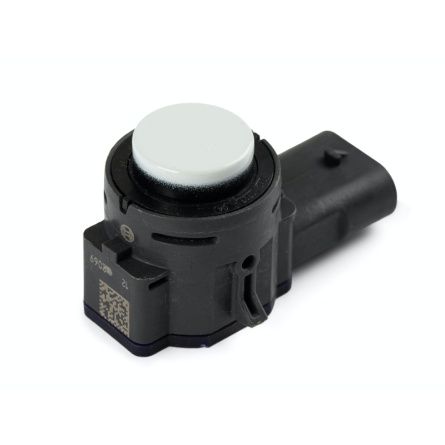
Parking Sensor
General Motors84540976£32.75 £27.29 -
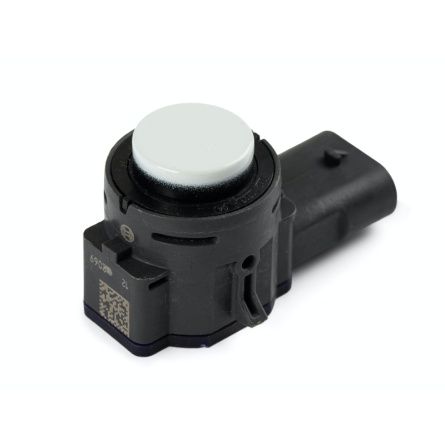
Parking Sensor
General Motors84566098£32.75 £27.29 -
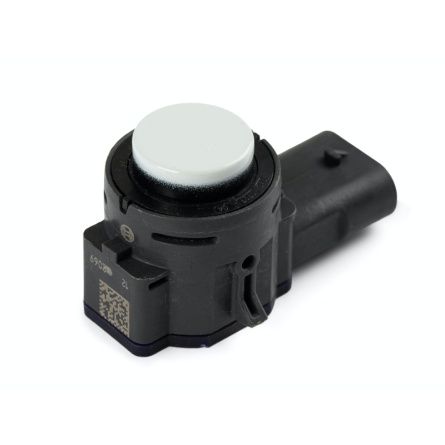
Parking Sensor
General Motors84566108£32.75 £27.29 -
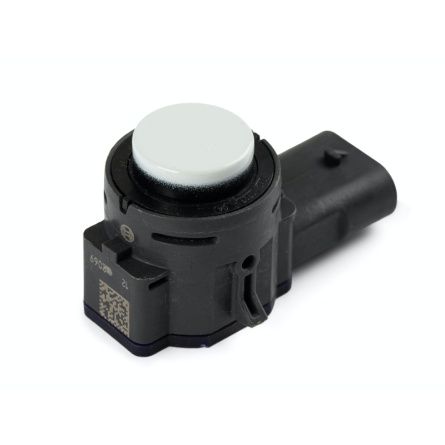
Parking Sensor
General Motors84575219£32.75 £27.29 -
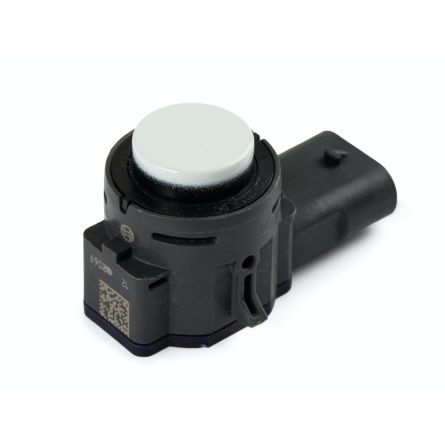
Parking Sensor
General Motors84711298£32.75 £27.29 -
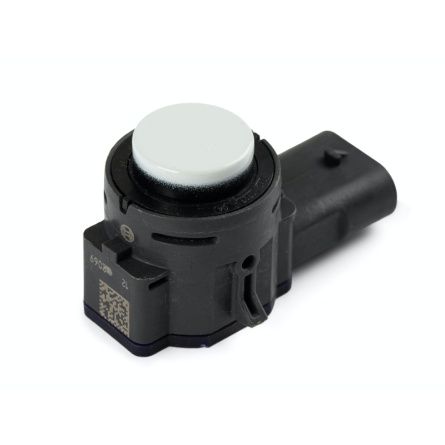
Parking Sensor
General Motors85157850£32.75 £27.29 -
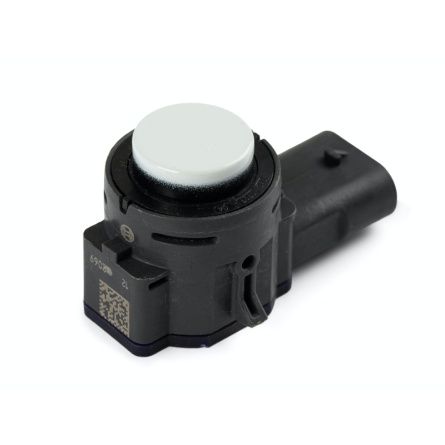
Parking Sensor
General Motors85532776£32.75 £27.29 -
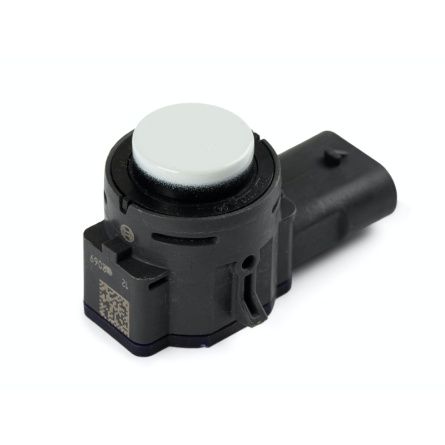
Parking Sensor
General Motors87821667£32.75 £27.29 -
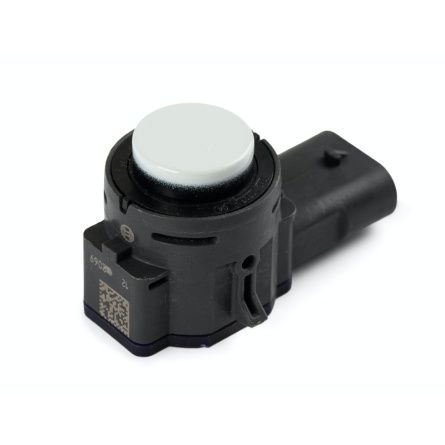
Parking Sensor
Subaru87621AN00ATR£32.75 £27.29
Parking sensors
Parking sensors have become one of the most practical and safety-enhancing innovations in modern vehicles, transforming the way drivers approach even the tightest spaces. Once considered a luxury feature, they are now a standard element of everyday driving comfort and safety. By detecting obstacles that are often hidden from view and alerting the driver with precise audio or visual signals, parking sensors help prevent costly collisions, protect pedestrians, and make maneuvering stress-free. Whether in crowded city centers or narrow residential driveways, these intelligent systems provide an extra layer of confidence, ensuring every parking attempt is smooth, safe, and effortless. For many modern drivers, they have become as essential as seatbelts or mirrors, representing the perfect blend of technology and convenience in daily mobility. Their reliability and precision make them a trusted companion in every type of vehicle, from compact hatchbacks to luxury sedans and heavy SUVs, turning everyday parking into a simple and controlled task.
Understanding Parking Sensors
Parking sensors are advanced driver-assistance devices designed to detect obstacles around a vehicle during parking or low-speed maneuvers. Their primary function is to alert the driver to objects that may not be visible in mirrors or through windows, thereby preventing collisions and ensuring safe, precise parking. Most systems use either ultrasonic or electromagnetic technology to sense nearby objects and communicate potential hazards through sound signals, visual indicators, or even vibrations.
Ultrasonic sensors are the most common type and are typically mounted in the front and rear bumpers. They emit high-frequency sound waves that bounce off nearby objects, with the system calculating the distance based on how long it takes for the echo to return. The closer the object, the faster the warning beeps become, allowing the driver to gauge distance intuitively. This technology offers a reliable, cost-effective, and accurate solution for most vehicles on the market today.
Electromagnetic sensors, on the other hand, rely on a magnetic field rather than sound waves. Installed behind the bumper, they detect changes in the field caused by surrounding objects. This type of sensor operates more smoothly and continuously, without blind spots, and can be particularly effective in detecting narrow or low obstacles that ultrasonic sensors might miss.
By integrating these technologies, parking sensors provide real-time assistance, reducing the risk of scratches, dents, and accidents. They make parking safer and easier for drivers of all experience levels, ensuring peace of mind in any driving environment—from busy urban streets to tight garage spaces. With ongoing advancements in automotive electronics, these systems now cooperate with reversing cameras, radar, and even automatic braking systems to create a comprehensive, intelligent parking aid network.
Benefits of Reverse Parking Sensors
Reverse parking sensors provide a wide range of benefits that go far beyond simple convenience. They are among the most effective systems for improving driving confidence and protecting vehicles from everyday damage. These compact yet powerful devices help eliminate blind spots and give drivers a clear sense of proximity to surrounding obstacles, making every maneuver easier and safer.
Reverse parking sensors are especially valuable in crowded areas where visibility is limited and space is at a premium. They prevent minor collisions that can lead to expensive repairs, protect pedestrians and pets from accidents, and assist drivers with varying experience levels. For newer drivers or those who frequently park in tight spaces, reverse parking sensors are an invaluable aid that significantly reduces stress.
Beyond safety, these systems also help maintain the vehicle’s appearance and resale value by minimizing scratches and dents caused during parking. The precision of modern sensor systems, combined with clear audio or visual alerts, ensures that the driver is always in full control. Whether you drive a small hatchback or a large SUV, the benefits of reverse parking sensors remain universal—they make parking simpler, safer, and far more efficient. Their ability to operate flawlessly in all weather conditions only adds to their everyday practicality and long-term reliability.
Choosing the Right Parking Sensor for Your Vehicle
Choosing the right parking sensor can make everyday driving not only easier but also significantly safer. With so many options available on the market, finding the perfect fit depends on understanding your vehicle type, budget, and personal parking habits. A well-matched system ensures smoother maneuvers, fewer scratches or dents, and greater confidence behind the wheel.
The first factor to consider is the type of vehicle you drive. Compact city cars often need only a basic rear sensor system that emits audible alerts when obstacles are detected. Larger vehicles such as SUVs, vans, or delivery trucks benefit from having sensors at both the front and rear, giving full spatial awareness. It’s also worth noting that certain cars with non-standard bumpers or metallic finishes may interfere with traditional ultrasonic systems. In such cases, electromagnetic sensors can be a better alternative, as they detect objects without requiring visible holes in the bumper.
Budget is another important factor when choosing a parking system. They come in a wide price range, from simple budget kits to advanced setups with integrated cameras and displays. If you’re working with a limited budget, standard ultrasonic sensors are reliable and affordable, providing accurate alerts and easy installation. Drivers seeking greater convenience can opt for a system that integrates with the vehicle’s multimedia screen or includes a reversing camera for added visual feedback. Your personal parking habits should also guide your decision—urban drivers may prefer high-sensitivity sensors for tight spaces, while suburban or rural drivers might choose a simpler setup for open driveways or garages.
Before buying, ensure the selected kit is compatible with your vehicle model. Some bumpers have pre-drilled mounting points for easier installation. If you’re installing the system yourself, choose a kit with clear instructions, durable cables, and weather-resistant components. Selecting the right setup ultimately means balancing your needs, driving style, and budget to achieve maximum safety and ease.
Installation and Maintenance Tips
Proper installation and regular maintenance of parking sensors are essential to ensure their accuracy, reliability, and long-term performance. Even the most advanced system can lose its effectiveness if installed incorrectly or neglected over time. By following a few practical tips, you can make sure your sensors continue to function smoothly and provide precise assistance whenever you park.
When installing, always begin by carefully reading the manufacturer’s instructions and confirming that the kit suits your vehicle. The placement of sensors is crucial—they should be mounted at an even height on the bumper, typically between 50 and 70 centimeters from the ground. This guarantees accurate detection of both low and high obstacles. Avoid positioning them too close to corners, exhaust outlets, or license plate lights, as heat or vibration can interfere with readings. Use waterproof connectors, insulate cables properly, and connect the system to the reverse light circuit so that sensors activate only when backing up.
Maintenance is equally important. Regularly clean the sensors with a soft, damp cloth to remove dirt, salt, and debris that can block signals. Avoid abrasive materials or high-pressure washers that might damage the components. During winter, check for ice buildup that could impair detection. Test the system periodically by engaging reverse gear and listening for audible signals or checking the display. Addressing small malfunctions early prevents major failures later.
With proper care, parking sensors will remain a dependable tool that enhances every drive. Their consistent performance not only safeguards your vehicle but also ensures that every parking experience—whether in a busy city street or a narrow garage—remains smooth, precise, and stress-free for years to come.