
Tire pressure sensors TPMS
-
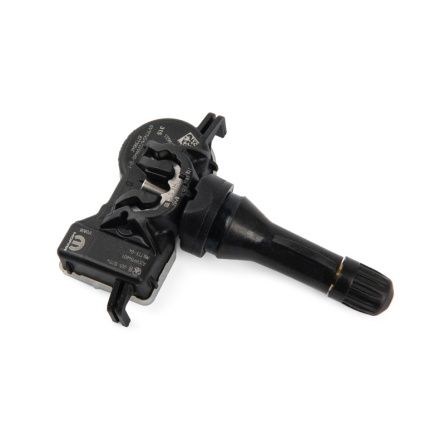
TPMS Sensor
Dodge68078861AA£24.56 £20.47 -
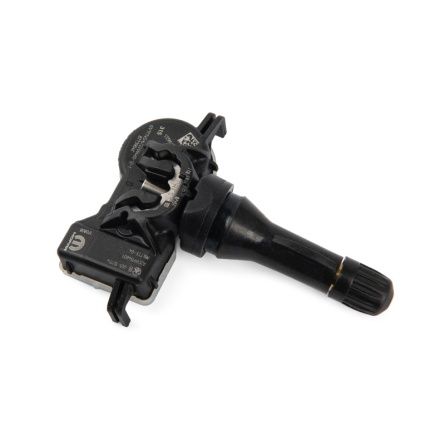
TPMS Sensor
Dodge56029479AA£24.56 £20.47 -
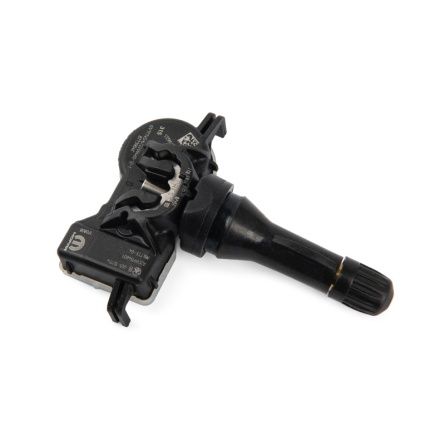
TPMS Sensor
Dodge56053030AB£24.56 £20.47 -
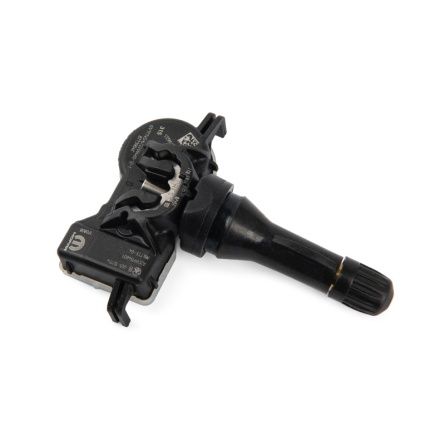
TPMS Sensor
Dodge56029319AA£24.56 £20.47 -
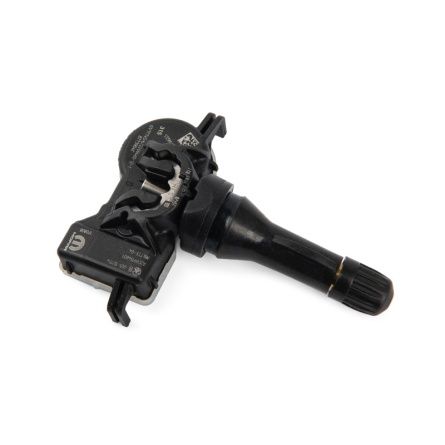
TPMS Sensor
Dodge56029319AB£24.56 £20.47 -
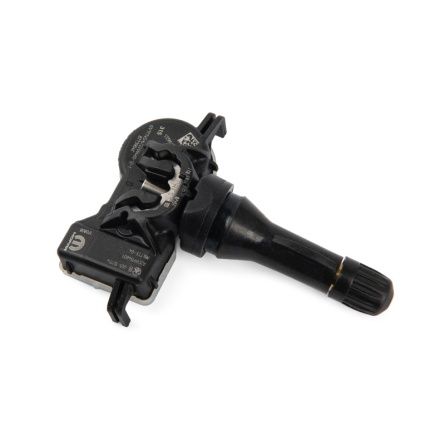
TPMS Sensor
Dodge68406530AA£24.56 £20.47 -
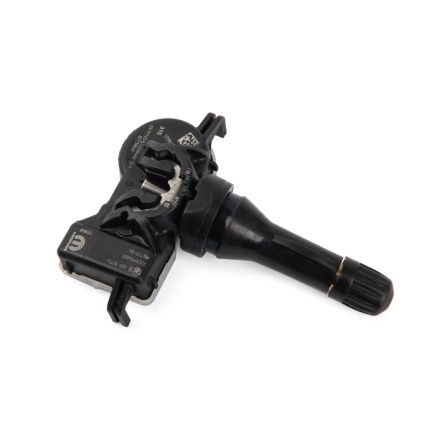
TPMS Sensor
Dodge56029465AA£24.56 £20.47 -
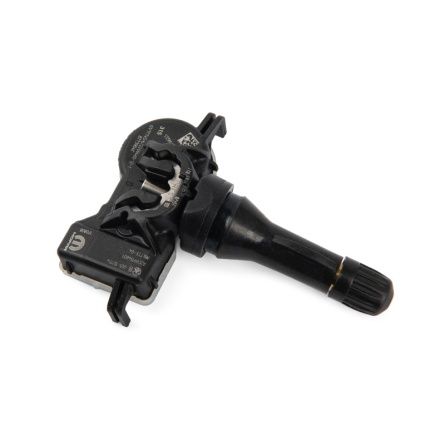
TPMS Sensor
Dodge56029465AC£24.56 £20.47 -
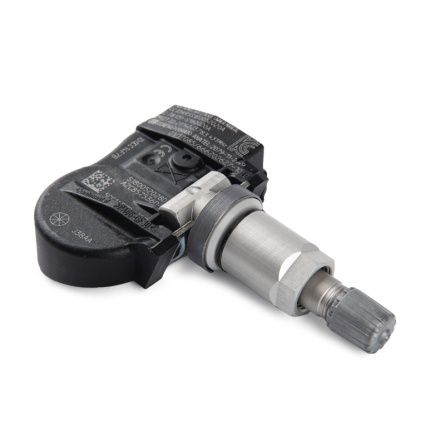
TPMS Sensor
ContinentalS180052054£32.75 £27.29 -
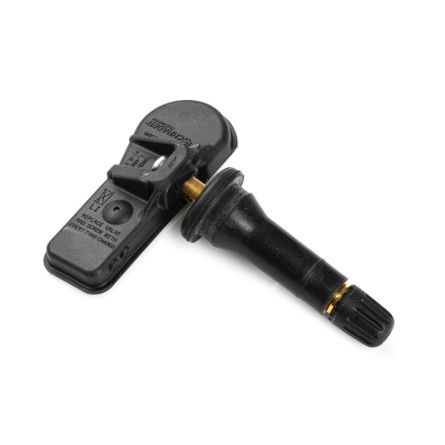
TPMS Sensor
PSA9811536380£24.56 £20.47 -
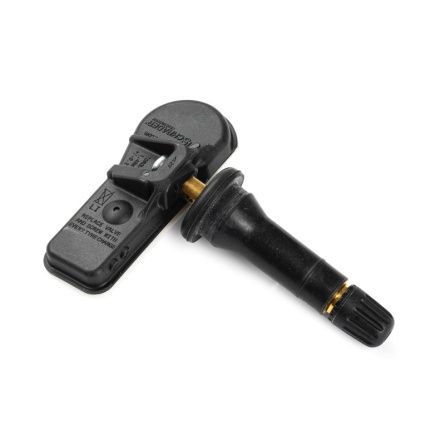
TPMS Sensor
PSA9808859080£24.56 £20.47 -
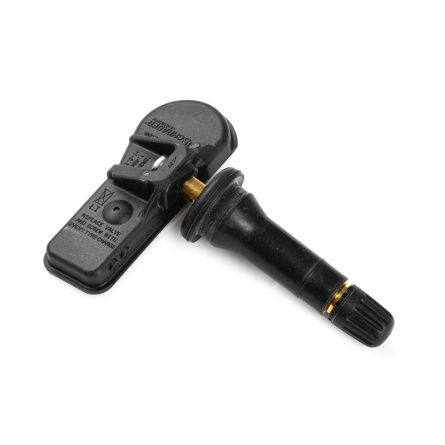
TPMS Sensor
PSA9811764480£24.56 £20.47 -
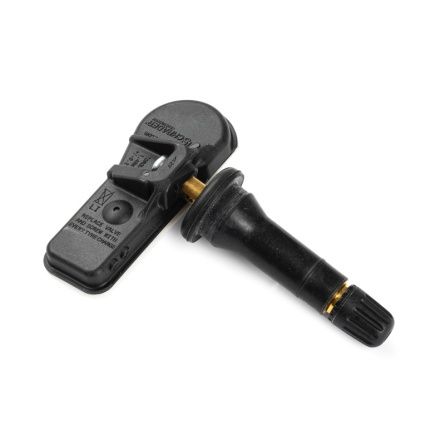
TPMS Sensor
ToyotaSU001-A2934£24.56 £20.47 -
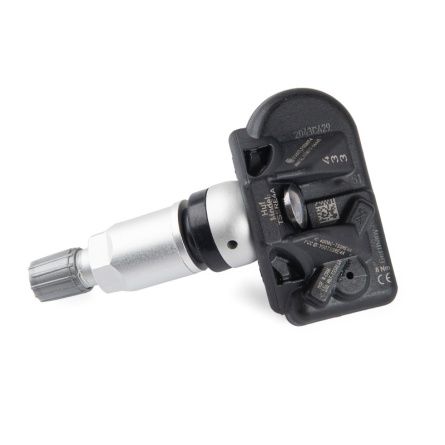
TPMS Sensor
BMW36106887147£28.66 £23.88 -
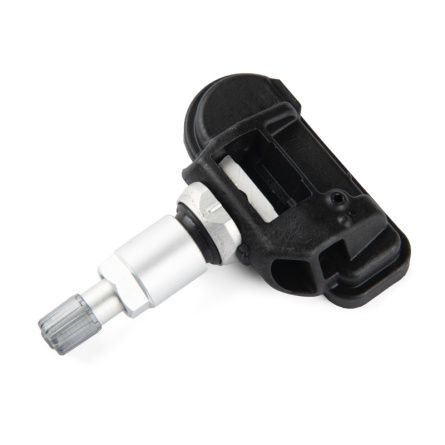
TPMS Sensor
MercedesA0009050030£24.56 £20.47 -
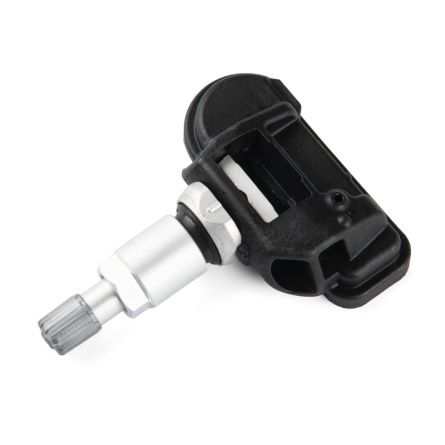
TPMS Sensor
MercedesA0009053907£24.56 £20.47 -
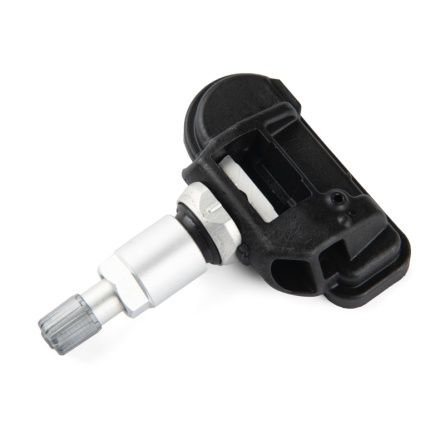
TPMS Sensor
MercedesA0009057200£24.56 £20.47 -
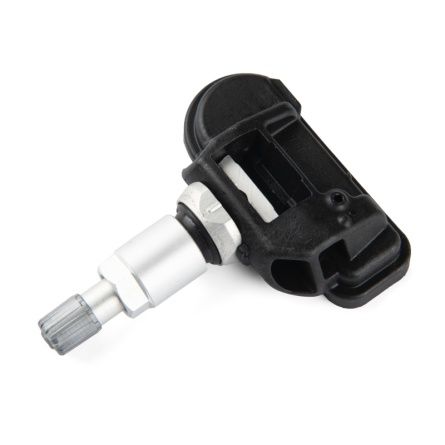
TPMS Sensor
MercedesA0009054100£24.56 £20.47 -
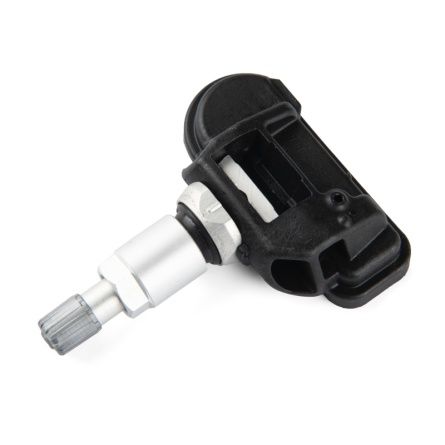
TPMS Sensor
MercedesA0035400217£24.56 £20.47 -
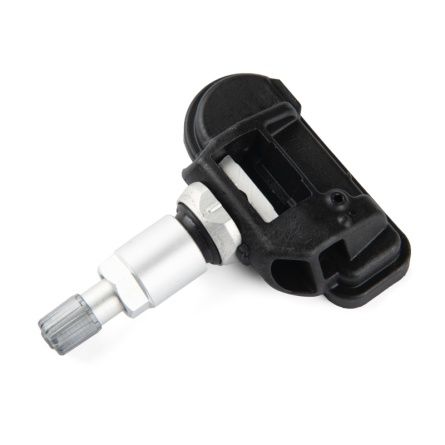
TPMS Sensor
MercedesA0025409517£24.56 £20.47 -
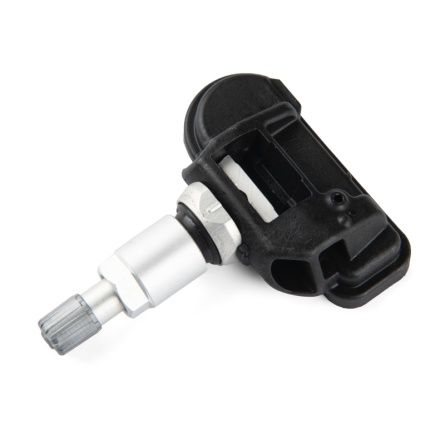
TPMS Sensor
MercedesA4479050500£24.56 £20.47 -
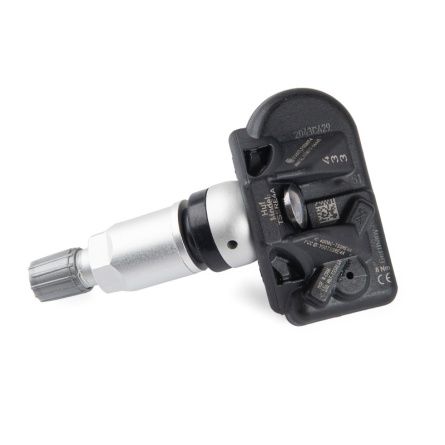
TPMS Sensor
MercedesA0009052102£28.66 £23.88 -
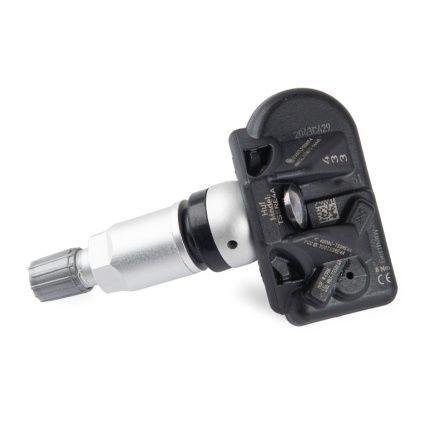
TPMS Sensor
MercedesA0009058708£28.66 £23.88 -
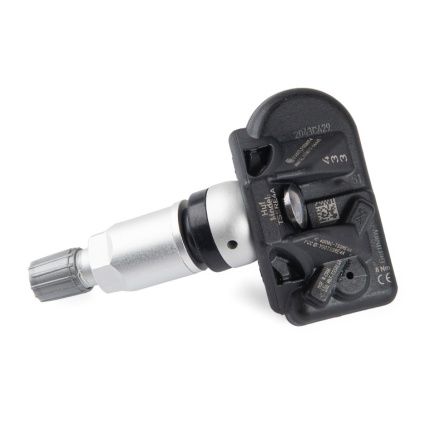
TPMS Sensor
MercedesA0009052202£28.66 £23.88 -
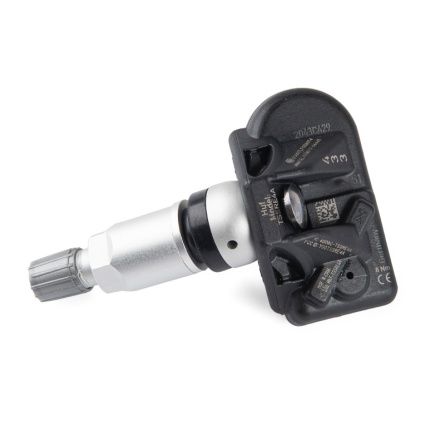
TPMS Sensor
MercedesA0009053114£28.66 £23.88 -
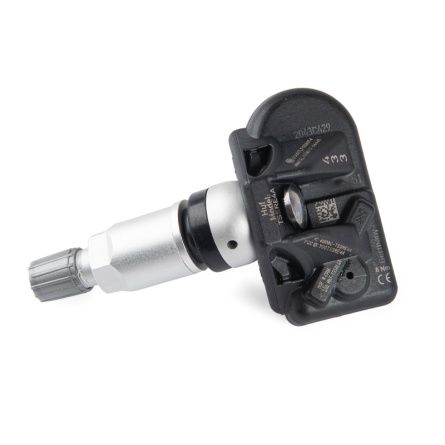
TPMS Sensor
MercedesA0009053214£28.66 £23.88 -
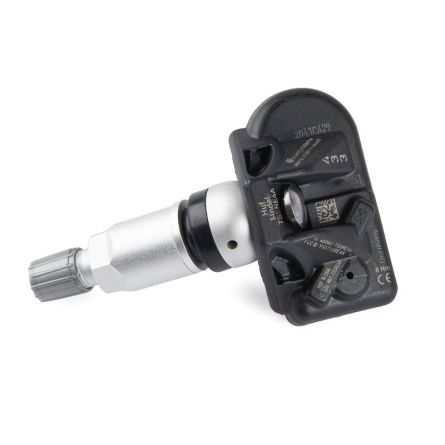
TPMS Sensor
BMW36106872803£28.66 £23.88 -
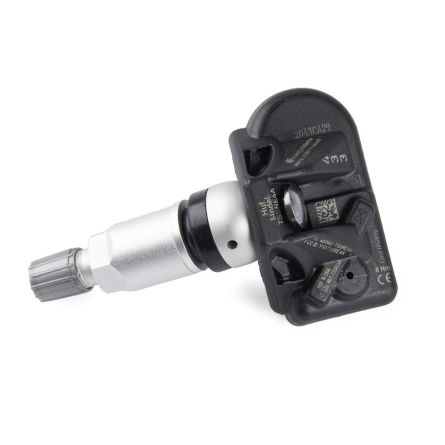
TPMS Sensor
BMW36106872774£28.66 £23.88 -
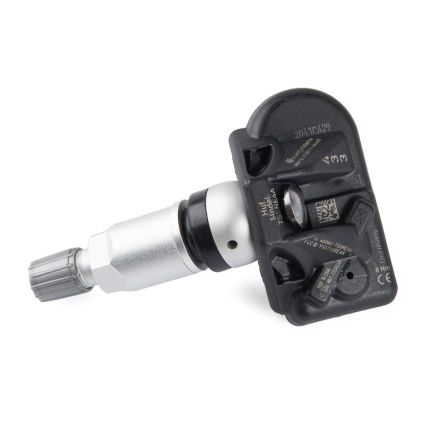
TPMS Sensor
BMW36106876957£28.66 £23.88 -
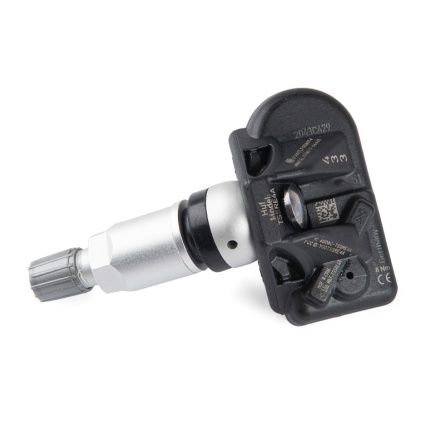
TPMS Sensor
BMW36106877937£28.66 £23.88 -
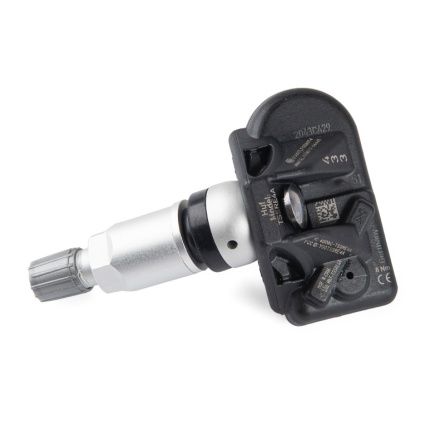
TPMS Sensor
BMW36106887140£28.66 £23.88 -
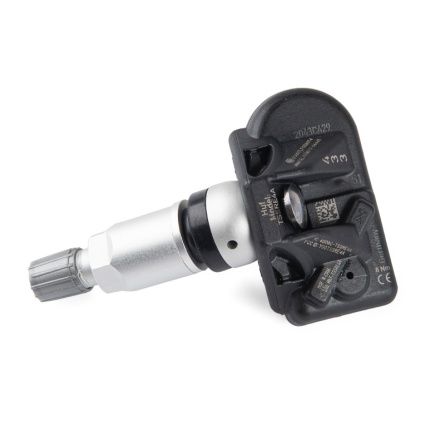
TPMS Sensor
BMW36106876955£28.66 £23.88 -
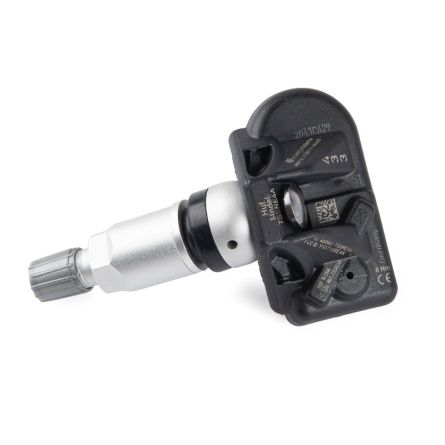
TPMS Sensor
Toyota42607WAA01£28.66 £23.88 -
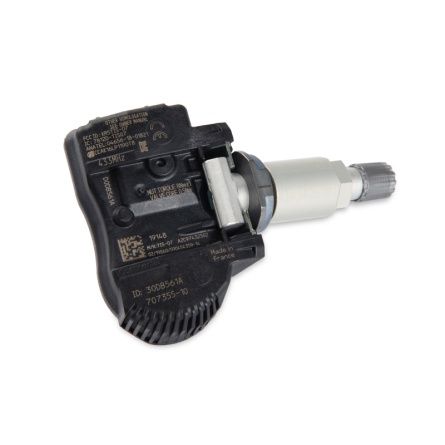
TPMS Sensor
BMW36106856209£36.85 £30.71 -
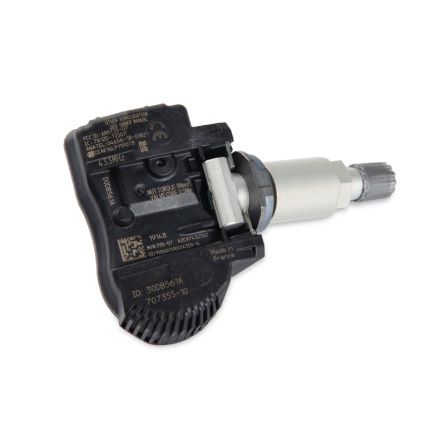
TPMS Sensor
BMW36106858887£36.85 £30.71 -
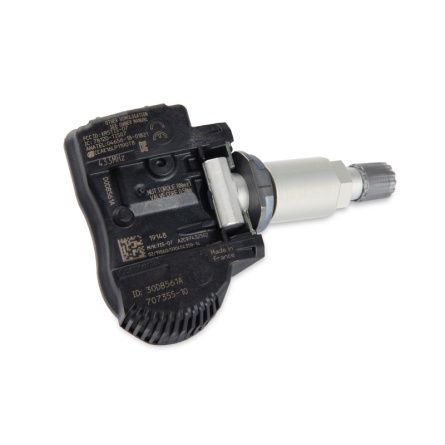
TPMS Sensor
BMW36106858888£36.85 £30.71
Tire pressure sensors TPMS
Tire Pressure Monitoring Systems (TPMS) have become an indispensable part of modern automotive safety, bridging the gap between driver awareness and vehicle performance. By continuously tracking the air pressure inside each tire and alerting the driver to any irregularities, these intelligent systems play a crucial role in preventing accidents, improving fuel efficiency, and extending tire life. What was once considered a convenience feature has evolved into a vital safety component that helps ensure optimal handling, braking, and stability in all driving conditions. In an era where every detail matters for road safety and environmental efficiency, TPMS stands as a silent guardian—protecting both drivers and vehicles through precision and reliability. These systems not only promote safer driving habits but also support sustainability by reducing unnecessary tire waste and lowering carbon emissions. As technology advances, TPMS has become a universal standard, integrated into nearly every new vehicle on the market to enhance control, awareness, and overall road safety.
Understanding TPMS Sensors
A tpms sensor is a small but sophisticated electronic device designed to measure and report the air pressure inside a vehicle’s tires in real time. Its purpose is to ensure that each tire maintains the correct inflation level, which is crucial for safe driving, optimal handling, and maximum fuel efficiency. When tire pressure drops below or rises above the recommended threshold, the system immediately sends a warning signal to the driver, usually in the form of a dashboard indicator or digital message.
There are two main types of systems—direct and indirect. Direct sensors are mounted inside each wheel and use built-in pressure transducers to measure the actual air pressure and temperature within the tire. The collected data is transmitted wirelessly to the vehicle’s control unit, providing precise and immediate feedback. Indirect systems, on the other hand, do not measure pressure directly but rely on wheel-speed sensors connected to the ABS system to detect variations in rotational speed caused by underinflated tires.
Regardless of the type, the tpms sensor plays the same vital role: maintaining the ideal tire pressure balance that ensures safety and performance. Properly inflated tires offer better traction, shorter braking distances, and more predictable handling, while also reducing the risk of blowouts and uneven tire wear. By keeping the correct pressure, the system improves fuel economy and guarantees a smoother, safer, and more economical ride.
Benefits of Tire Pressure Sensors
The advantages of a tyre pressure sensor extend far beyond convenience—they represent a major advancement in vehicle safety, efficiency, and maintenance. One of the most significant benefits is improved fuel economy. When tires are inflated to the correct pressure, rolling resistance is minimized, allowing the engine to operate more efficiently. Even a slight drop in pressure can increase fuel consumption, so these sensors help save money while lowering emissions.
Another crucial benefit is extended tire life. Underinflated or overinflated tires wear unevenly, leading to premature replacement and added expense. By constantly monitoring and maintaining the correct pressure, the tyre pressure sensor helps ensure that tires wear evenly, maximizing performance and durability over time.
Safety is another area where these devices excel. Correctly inflated tires provide better grip, stability, and braking response, which is essential during emergency maneuvers or in wet conditions. Conversely, incorrect pressure increases braking distance and the risk of blowouts. By giving early alerts about pressure loss, the system allows drivers to act before problems escalate.
Types of TPMS Systems
There are two main types of Tire Pressure Monitoring Systems (TPMS) used in modern vehicles—direct and indirect—each employing different technologies to maintain optimal tire pressure for safety and efficiency.
Direct TPMS systems rely on sensors mounted inside each tire, usually on the valve stem or rim. These sensors measure real-time air pressure and temperature and transmit data wirelessly to the onboard computer. If the pressure in any tire drops below or exceeds the recommended level, the driver receives an alert on the dashboard. Direct systems are highly accurate, detecting even minimal changes, and can pinpoint which wheel needs attention. Some can even store historical data to identify slow leaks.
Indirect TPMS systems, by contrast, estimate tire pressure using data from the ABS or wheel-speed sensors. They detect variations in tire rotation speed—an underinflated tire spins faster because of its smaller diameter. Indirect systems are less costly and easier to maintain since no physical sensors are installed inside the tires, but they are also less precise and need recalibration after tire changes or pressure adjustments.
Choosing the Right TPMS for Your Vehicle
Choosing the most suitable Tire Pressure Monitoring System depends on vehicle type, performance needs, and budget. For passenger cars, direct TPMS is ideal for its accuracy and real-time monitoring, especially for drivers covering long distances or facing changing weather. Though more expensive, its precision and reliability justify the investment.
For commercial fleets and trucks, direct systems are again preferred because they can monitor multiple tires and detect pressure drops affecting load balance and fuel use. Integration with telematics platforms allows remote monitoring and predictive maintenance.
Indirect systems, however, remain a practical choice for smaller or older cars. They use existing ABS infrastructure and are inexpensive to install, though less accurate. Compatibility is key—drivers should ensure the sensors match the vehicle’s electronic protocols. Since batteries in direct sensors eventually expire, long-term maintenance costs should also be considered.
Ultimately, the right choice depends on usage and priorities. Whether opting for direct precision or indirect simplicity, maintaining correct tire pressure with a reliable TPMS ensures longer tire life, greater efficiency, and safer journeys for every driver.