
Safety systems
-
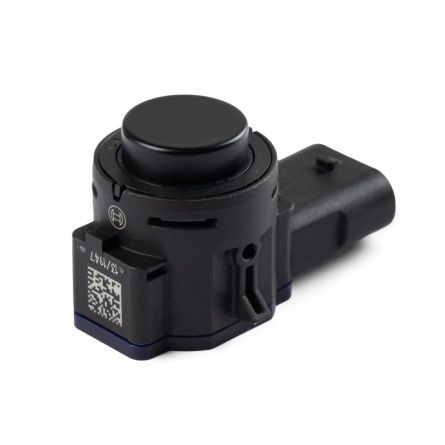
Parking Sensor
General Motors84616167£32.75 £27.29 -
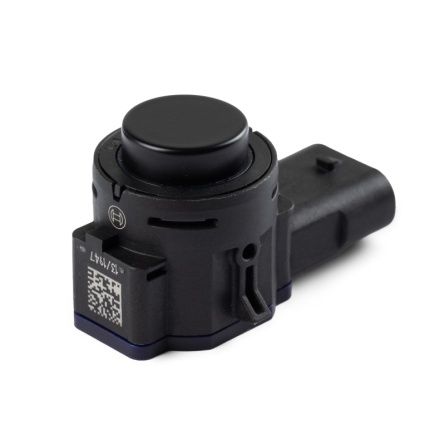
Parking Sensor
General Motors84626575£32.75 £27.29 -
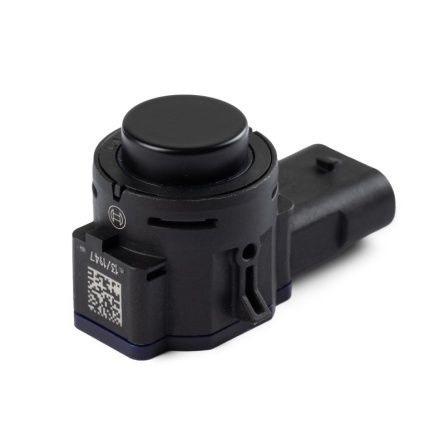
Parking Sensor
General Motors84626577£32.75 £27.29 -
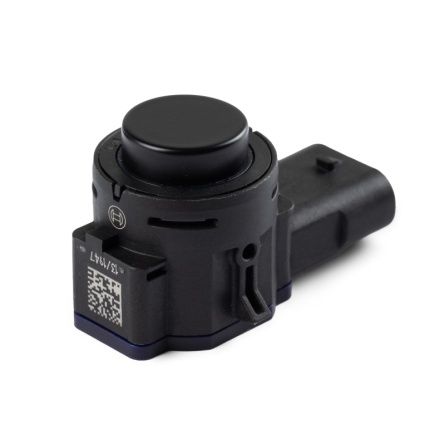
Parking Sensor
General Motors84641327£32.75 £27.29 -
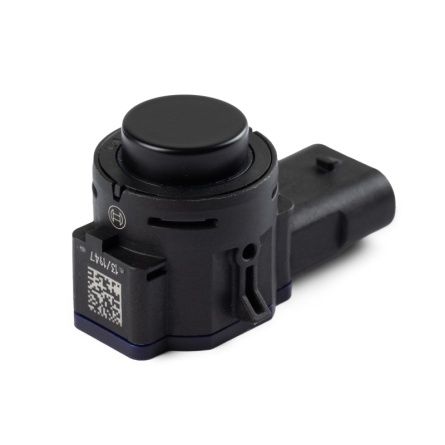
Parking Sensor
General Motors84641328£32.75 £27.29 -
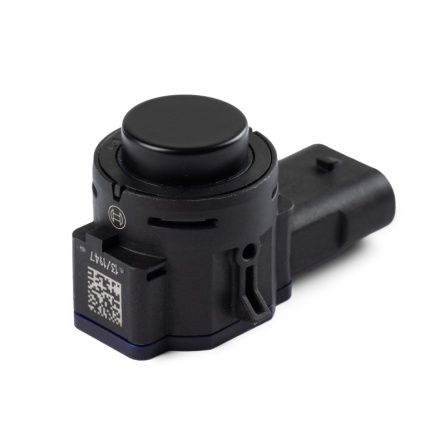
Parking Sensor
General Motors84641329£32.75 £27.29 -
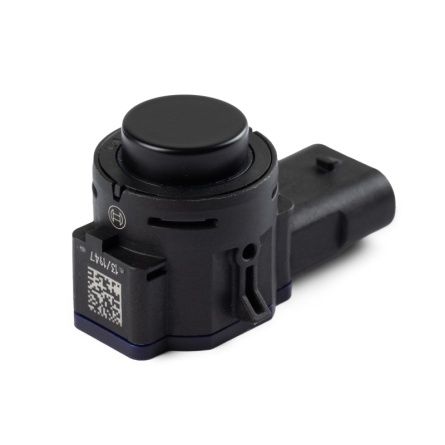
Parking Sensor
General Motors84656909£32.75 £27.29 -
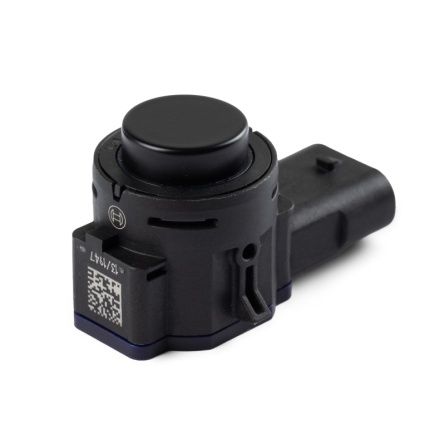
Parking Sensor
General Motors84674058£32.75 £27.29 -
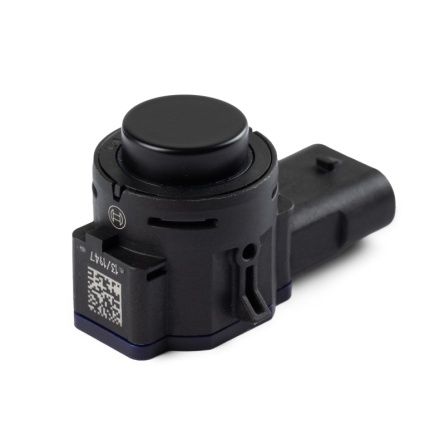
Parking Sensor
General Motors84685004£32.75 £27.29 -
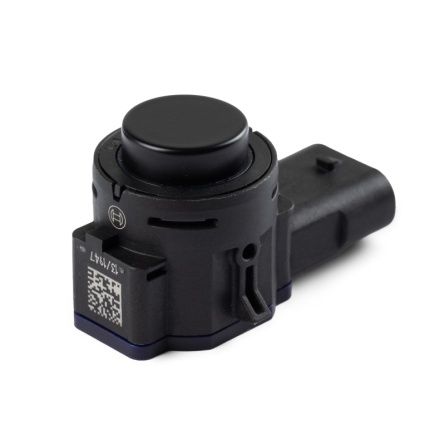
Parking Sensor
General Motors84686143£32.75 £27.29 -
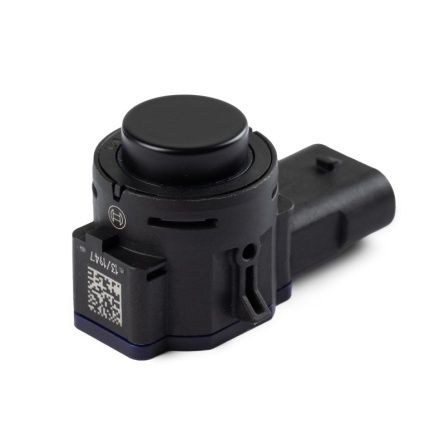
Parking Sensor
General Motors84705629£32.75 £27.29 -
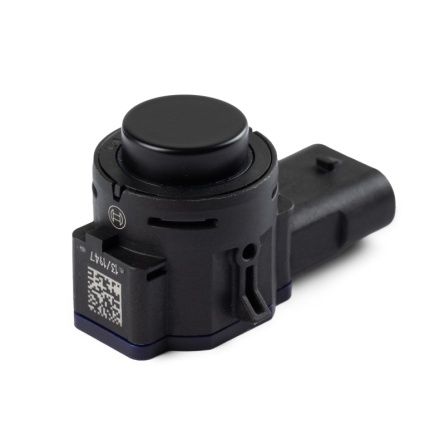
Parking Sensor
General Motors84705631£32.75 £27.29 -
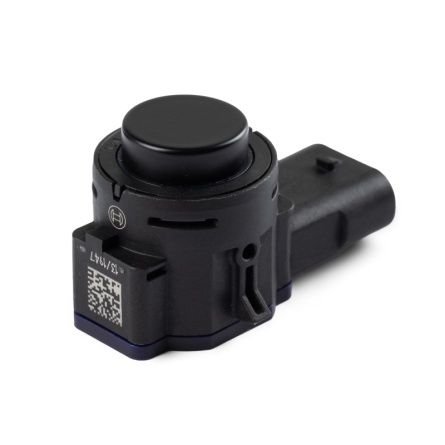
Parking Sensor
General Motors84711301£32.75 £27.29 -
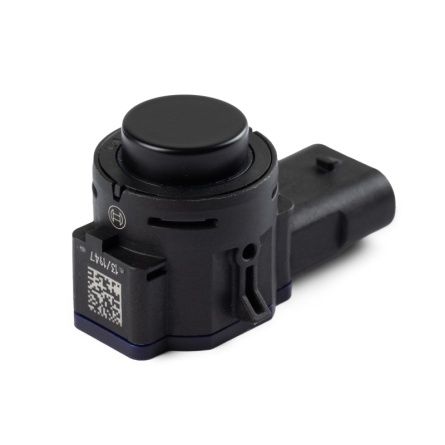
Parking Sensor
General Motors84711302£32.75 £27.29 -
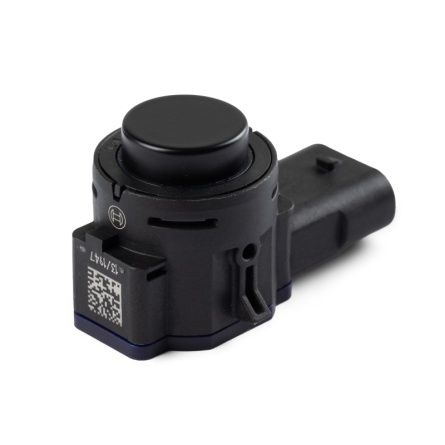
Parking Sensor
General Motors84722859£32.75 £27.29 -
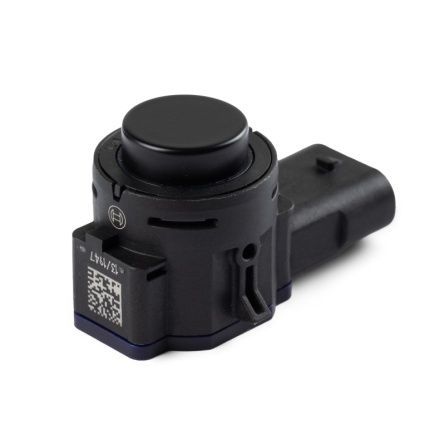
Parking Sensor
General Motors84738623£32.75 £27.29 -
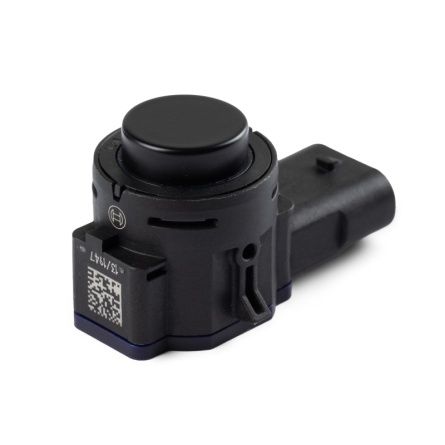
Parking Sensor
General Motors84738971£32.75 £27.29 -
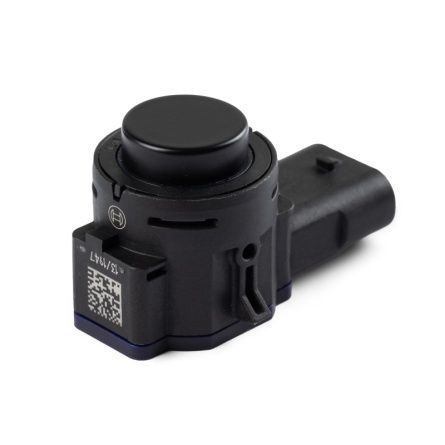
Parking Sensor
General Motors84761796£32.75 £27.29 -
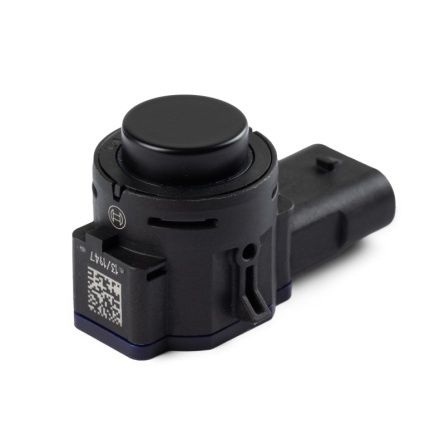
Parking Sensor
General Motors84804440£32.75 £27.29 -
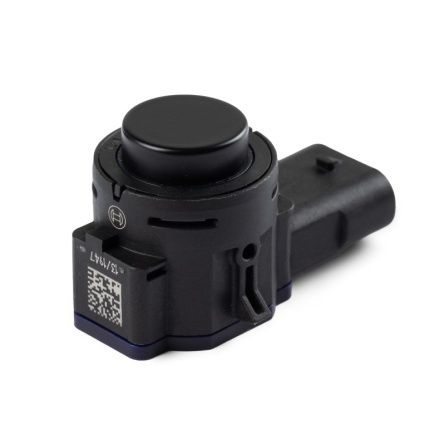
Parking Sensor
General Motors84870723£32.75 £27.29 -
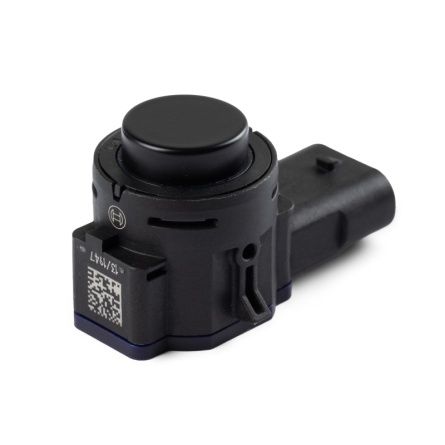
Parking Sensor
General Motors84886221£32.75 £27.29 -
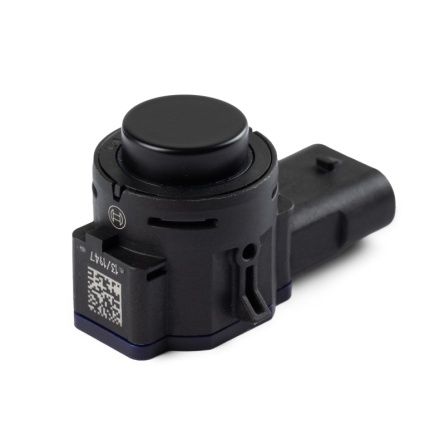
Parking Sensor
General Motors84886222£32.75 £27.29 -
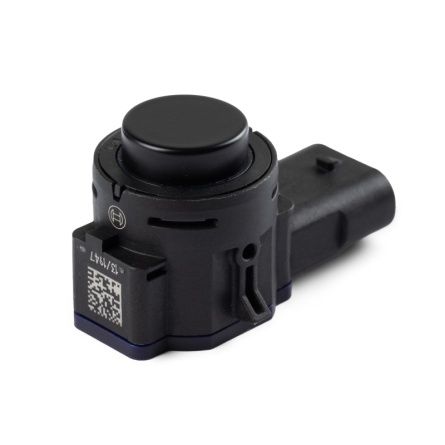
Parking Sensor
General Motors84896135£32.75 £27.29 -
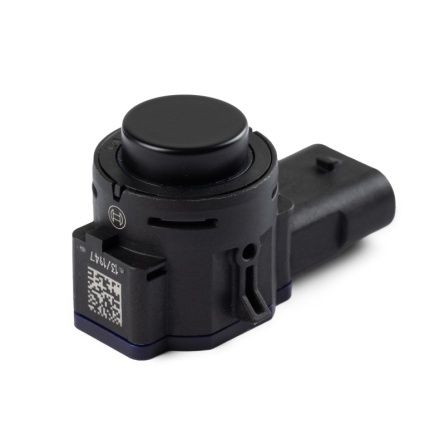
Parking Sensor
General Motors84902596£32.75 £27.29 -
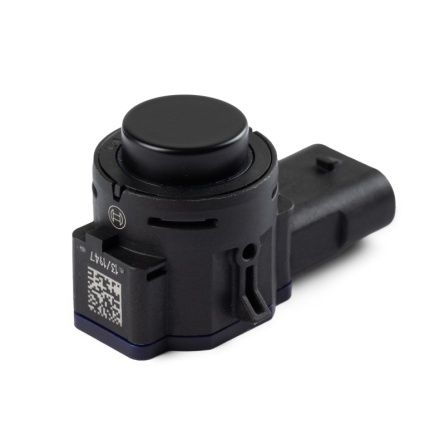
Parking Sensor
General Motors84902597£32.75 £27.29 -
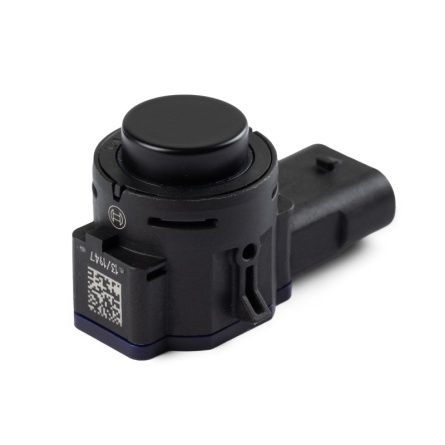
Parking Sensor
General Motors84902598£32.75 £27.29 -
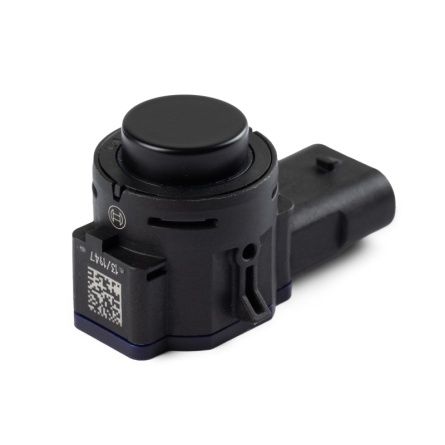
Parking Sensor
General Motors84903582£32.75 £27.29 -
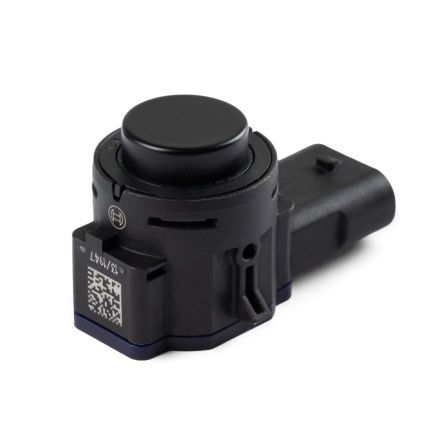
Parking Sensor
General Motors84932566£32.75 £27.29 -
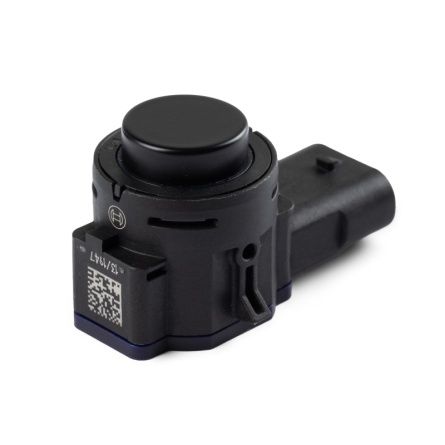
Parking Sensor
General Motors84932568£32.75 £27.29 -
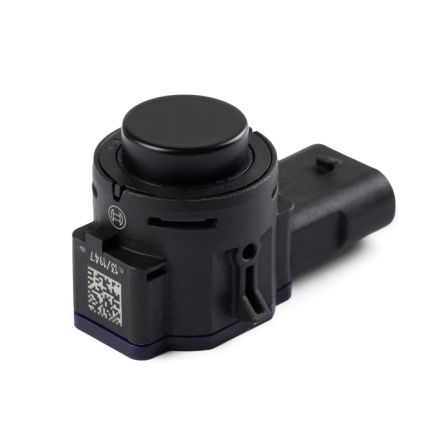
Parking Sensor
General Motors84942932£32.75 £27.29 -
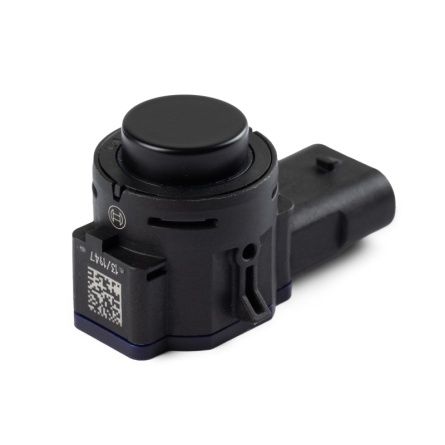
Parking Sensor
General Motors84942942£32.75 £27.29 -
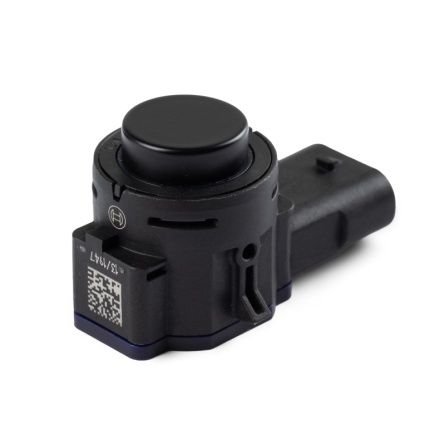
Parking Sensor
General Motors84972339£32.75 £27.29 -
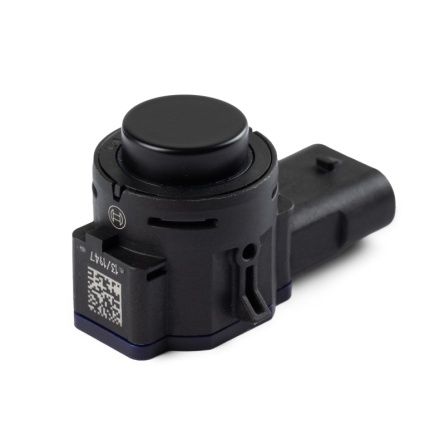
Parking Sensor
General Motors84979327£32.75 £27.29 -
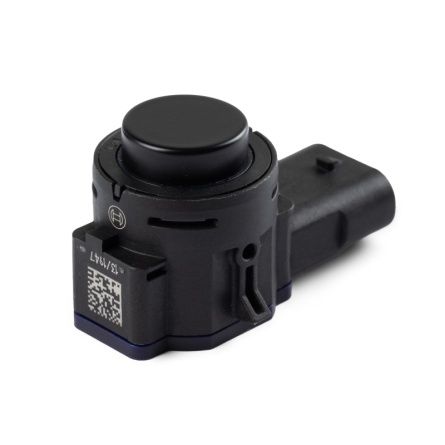
Parking Sensor
General Motors84979328£32.75 £27.29 -
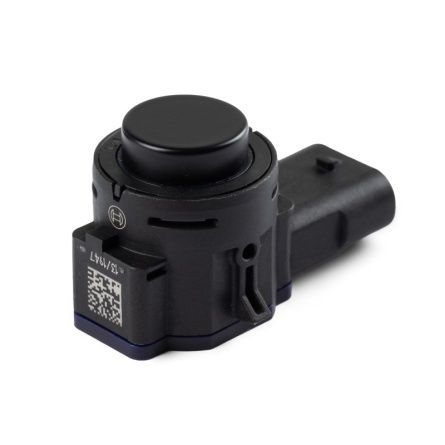
Parking Sensor
General Motors84990772£32.75 £27.29 -
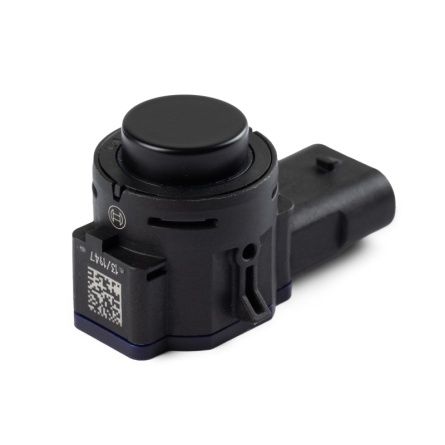
Parking Sensor
General Motors85127042£32.75 £27.29
Safety Systems
In today’s rapidly evolving automotive world, safety is no longer just a priority—it is the foundation of modern vehicle design. From the moment a driver starts the engine to the final stop at their destination, advanced safety systems work silently in the background, anticipating risks, supporting driver decisions, and reacting faster than any human ever could. These innovations have transformed everyday driving from a purely manual skill into a smart, technology-assisted experience. Modern manufacturers integrate car safety systems to help prevent human error and support confident driving in all environments, from urban streets to long-distance highways. This continuous development reflects the industry’s growing focus on smarter mobility and seamless driver support.
Whether it’s a sudden obstacle on the road, unexpected weather conditions, or a momentary lapse in attention, today’s vehicles are equipped with intelligent features designed to prevent accidents, protect passengers, and enhance driver confidence. As we explore the wide range of safety technologies available in modern cars, it becomes clear that these systems are more than just added features—they are essential guardians that redefine what it means to travel safely. Modern car safety solutions are engineered not only to react during emergencies but also to actively predict and avoid potential dangers before they occur, building a stronger shield of protection around every journey.
Understanding Car Safety Systems
By continuously analysing driving conditions, vehicle behaviour, and potential hazards, these systems help drivers maintain control, react faster to threats, and avoid dangerous situations altogether. From airbags and anti-lock brakes to advanced driver-assistance technologies such as lane-keeping support and automatic emergency braking, safety systems form a complete network designed to protect everyone inside the vehicle. This integrated network of car safety systems acts as a digital co-pilot, constantly monitoring surroundings and vehicle dynamics to support safe driving in real time.
Together, they represent one of the most important advancements in automotive engineering, providing a safer, smarter, and more reliable driving experience for all. The combination of mechanical strength, digital intelligence, and predictive capabilities has elevated car safety to a new level, making vehicles not just protective shells but proactive safety platforms that guide, warn, and intervene when needed.
Key Car Safety Features
Modern vehicles are equipped with an impressive range of safety features designed to prevent accidents, enhance driver awareness, and protect occupants in every situation. One of the most important innovations is the use of cameras, which provide real-time visual information to assist the driver. Advanced systems like surround view cameras create a 360-degree perspective around the vehicle, making tight parking and maneuvering in confined spaces far easier and safer. Reversing cameras help drivers avoid objects and pedestrians when backing up, while side cameras monitor blind areas along the vehicle’s flanks, reducing the risk of collisions during lane changes. In addition, a forward recognition camera scans the road ahead, supporting functions such as lane detection, pedestrian recognition, and collision avoidance. These developments highlight how car safety features now blend vision systems, driver alerts, and automated reactions into a seamless protective layer.
Complementing camera systems are smart sensors that enhance driver awareness and reaction times. Parking sensors detect obstacles close to the vehicle and provide audible or visual alerts to help avoid minor impacts. Blindspot sensors continuously monitor the areas the driver cannot easily see, warning of vehicles approaching from the side. On the highway, adaptive cruise control sensors maintain a safe distance from the car ahead by automatically adjusting speed—improving comfort and reducing the risk of rear-end collisions.
Inside the car, airbag sensors play a vital role in protecting passengers by detecting sudden impacts and deploying airbags within milliseconds when needed. Meanwhile, tyre condition is monitored by TPMS (Tire Pressure Monitoring System), which alerts the driver when tyre pressure drops to unsafe levels, helping ensure proper handling, braking stability, and fuel efficiency. Combined, these car safety features offer reliable protection and seamless assistance in all driving environments.
Innovations in Car Safety Technology
Another key development is Lane Keeping Assist (LKA), a technology that helps drivers maintain proper lane position. By using forward-facing cameras to identify lane markings, the system monitors the vehicle’s path and detects unintended lane departures. If the car begins to drift without signaling, LKA provides corrective steering input or alerts the driver, reducing the risk of accidents caused by distraction, fatigue, or momentary inattention. More advanced versions, known as Lane Centering systems, actively guide the vehicle within its lane, especially useful during long highway drives. These innovations reflect the evolution of car safety, shifting from passive systems to predictive and automated solutions.
Choosing the Right Safety Features for Your Vehicle
When choosing the right safety features in a new vehicle, it is essential to consider both your personal driving habits and the conditions you encounter most often. Drivers who primarily navigate busy city streets should prioritise features that support low-speed manoeuvres and pedestrian awareness, such as reversing cameras, parking sensors, blindspot monitoring, and automatic emergency braking. These systems offer valuable assistance in tight spaces, crowded intersections, and high-traffic environments where quick reactions and enhanced visibility are crucial.
For those who frequently travel long distances or commute on highways, technologies that enhance stability and reduce fatigue are particularly beneficial. Adaptive cruise control, lane keeping assist, and forward-recognition cameras provide continuous support by maintaining safe following distances, assisting with lane positioning, and monitoring road markings and traffic. Such systems help make long journeys more relaxing while greatly reducing the risk of collisions caused by distraction or tiredness.
Drivers living in regions with harsh weather conditions, such as heavy rain, snow, or icy roads, should prioritise stability control systems, anti-lock brakes, traction control, and tyre pressure monitoring. These features ensure better grip, improved braking performance, and ongoing monitoring of tyre condition, helping maintain control and safety in challenging environments.
Finally, families may want to focus on features that protect passengers of all ages, including multiple airbags, ISOFIX child-seat mounts, and rear-seat reminder systems. Ultimately, selecting the right combination of safety technologies involves balancing comfort, convenience, and protection to ensure every journey is as safe and confident as possible. With continued innovation in car safety and growing access to advanced systems, drivers today have more tools than ever to create a secure and enjoyable driving experience for themselves and their passengers.